
OEM camping tableware sample process: An OEM camping tableware sample process converts a buyer brief into a controlled reference for production. The sample is not approved merely because it looks attractive. Material identity, dimensions, weight, fit, function, color, logo, packaging and intended-use evidence must be reviewed against written criteria, and every revision needs an identifiable record.
Step 1: issue a complete project brief
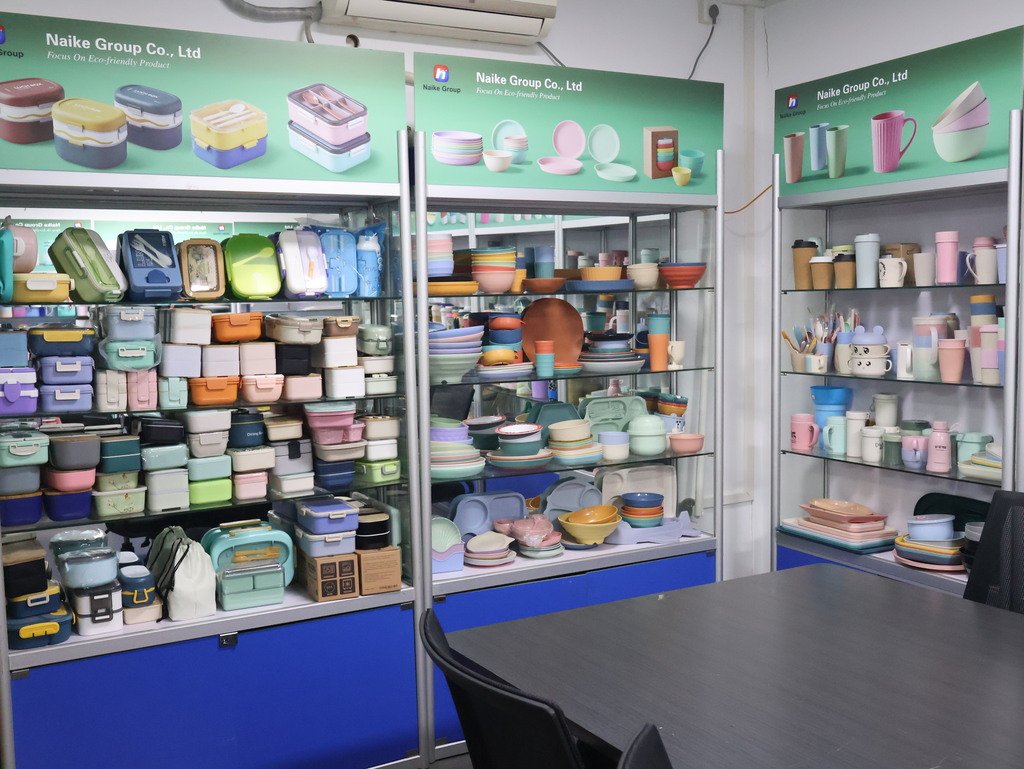
State the target user, market, sales channel, material preference, component list, annual estimate, first-order quantity, target price, logo, colors, packaging and launch date. Reference an existing product only to explain features; do not assume its dimensions, claims or construction automatically transfer.
Step 2: agree the development route
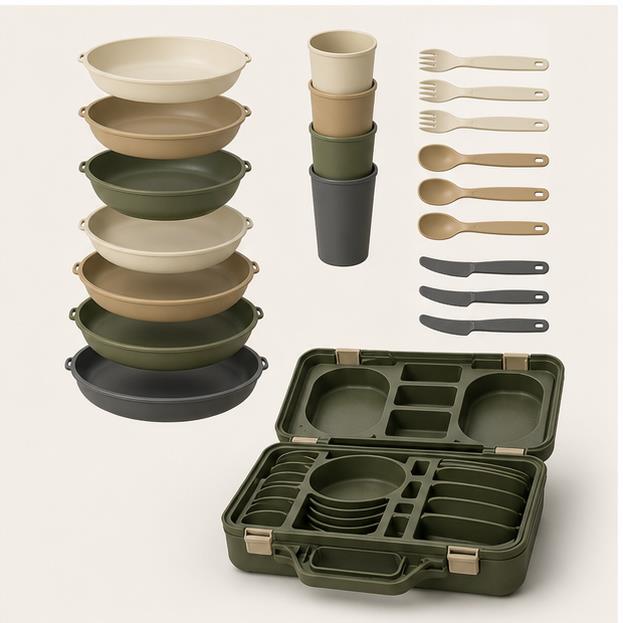
Choose between an existing shape, a modified component, a new mold or a sourced partner-factory item. Record who owns tooling and files, which features are frozen, what can change, sample charges, revision limits and the expected schedule. This decision controls cost and lead time more than visual styling alone.
Step 3: verify material and color inputs
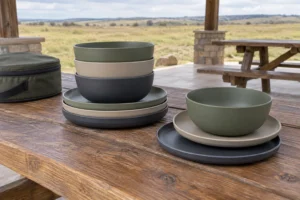
Review the grade or full formulation for the exact SKU, including resin, plant filler, alloy, coating, color masterbatch and additives as applicable. Approve a physical color limit rather than relying only on screens. Testing requirements should follow the intended market, food type, temperature and use.
Step 4: review engineering samples
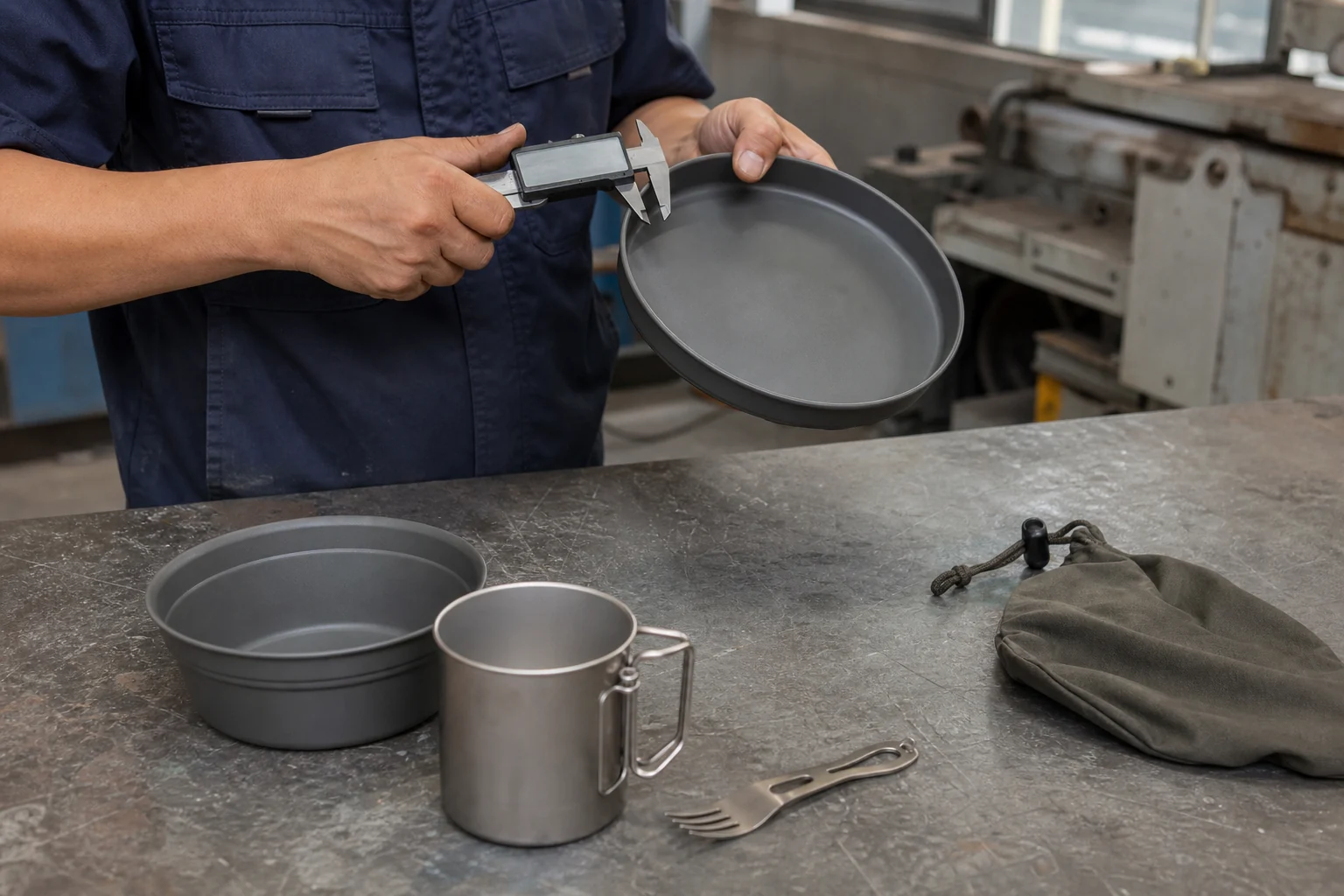
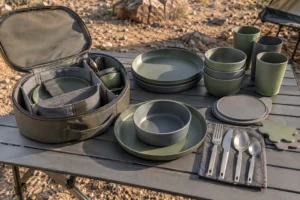
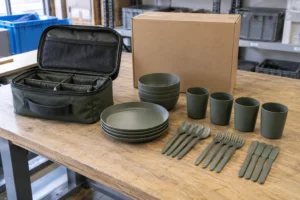
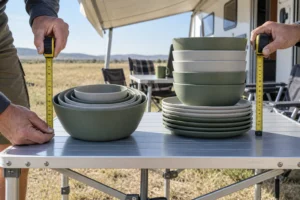
Measure critical dimensions, unit weight, capacity, wall thickness where relevant, fit, nesting and stability. Test clips, lids, handles, rims and utensil geometry under the intended use. Log each finding as accept, revise or investigate; photographs alone are insufficient.
Step 5: approve decoration and packaging
Confirm logo size, position, contrast, durability and the production method. Then review the complete pack-out: all components, protection, carry solution, instructions, barcode and carton marks. A packaging sample should contain production-equivalent products so fit and movement can be judged.
Step 6: create the golden sample and release record
The final approved sample must be tied to drawings, bill of materials, color standard, artwork revision, test scope and inspection checklist. Store a supplier and buyer reference when practical. Any later material, tooling, process or packaging change should require written review.
Step 7–8: pilot, inspect and learn
For risk-sensitive projects, use a pilot or pre-production run to confirm repeatability before volume. Compare production to the golden sample, record defects and close corrective actions. After delivery, feed customer and field-use findings into the next controlled revision rather than silently changing the SKU.
OEM camping tableware sample process: procurement control table
| Gate | Buyer approval | Required record |
|---|---|---|
| Brief | Use case, quantity, market and channel | Controlled RFQ |
| Material | Exact grade or formulation | Supplier declaration and test scope |
| Engineering | Dimensions, weight, fit and function | Measured sample report |
| Appearance | Color, finish and logo | Limit sample |
| Pack-out | Protection, artwork and carton | Approved packed SKU |
| Release | Production reference | Golden sample and signed checklist |
Use this OEM camping tableware sample process as a working brief, then verify the final specification against the intended market. For EU projects, the European Commission provides an authoritative food-contact materials overview; the final evidence scope must still match the exact finished SKU.
Frequently asked questions
How many sample rounds are normal?
There is no universal number. The route and the number of unresolved requirements determine the revisions.
Can a photo approve a sample?
Photos help communication but cannot replace dimensional, functional, material and physical color review.
When should food-contact testing occur?
Plan it before final approval and test the exact finished article when the market or risk assessment requires it.
How do we start?
Send the project brief through the inquiry page with product, material, market, quantity, logo and target date.
Discuss your outdoor tableware program
Send the target product, material, market, quantity, logo, packaging and launch date. We will respond with a project-specific route instead of applying unsupported claims across every SKU.
Request a B2B QuoteView Related CategoryView Related Material
Commercial planning
Confirm MOQ before Freezing the Sample Brief
Sample work becomes more reliable when the intended order quantity, available tooling, custom color, logo method and packaging route are known. Review the custom camping dinnerware MOQ guide, then submit one consolidated brief through the custom outdoor tableware inquiry page.