OEM · ODM · PRIVATE LABEL WhatsApp +86 13599220505 sales@naikegroup.com Replies within 24 hours

B2B QUALITY EVIDENCE · TEST PLANNING · SHIPMENT CONTROL

Outdoor Tableware Testing and Certification Support

Build a product-specific evidence plan for food-grade PP, titanium, stainless steel and wheat-straw composite outdoor tableware. Naike helps buyers connect material declarations, finished-product testing, management-system documents and pre-shipment inspection to the actual SKU, destination market and conditions of use.

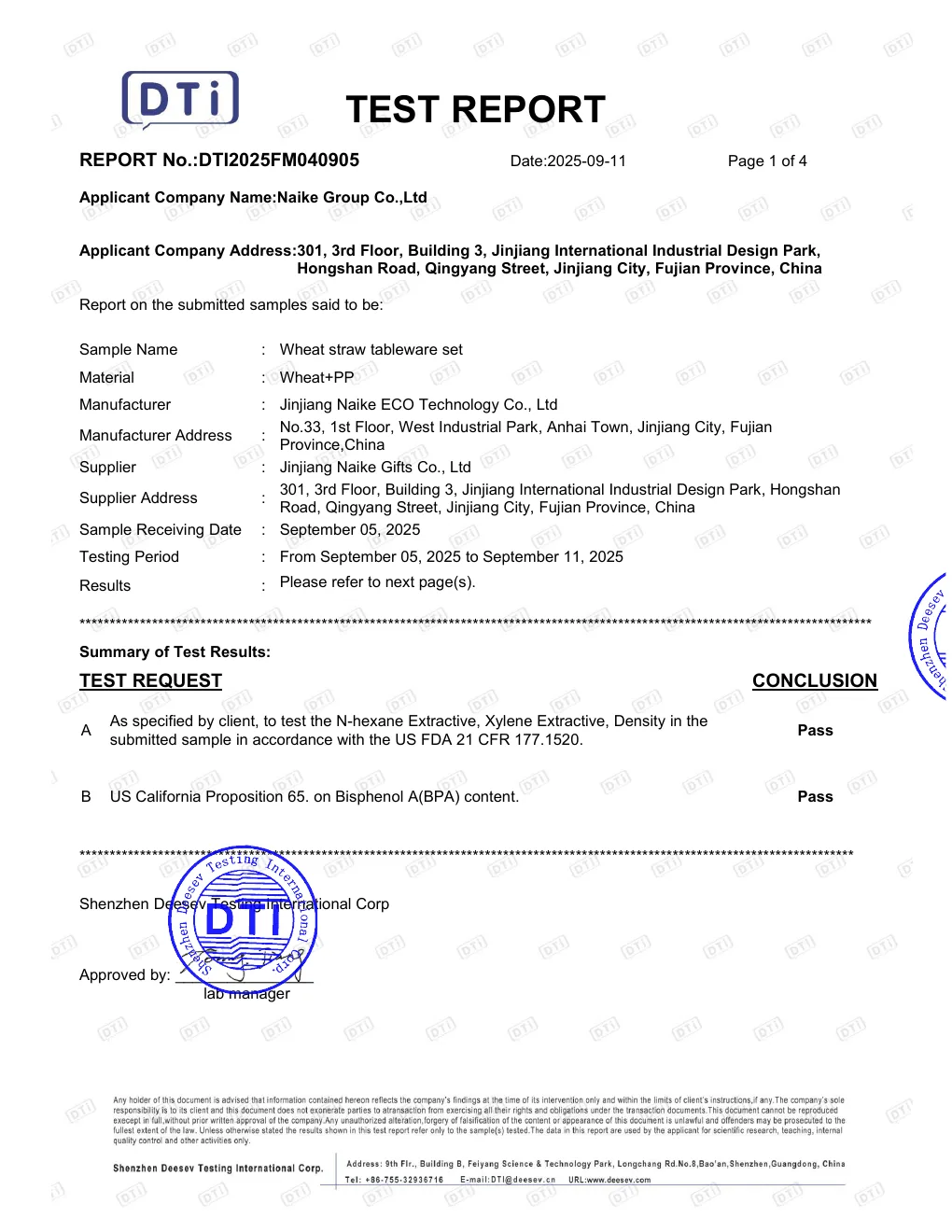
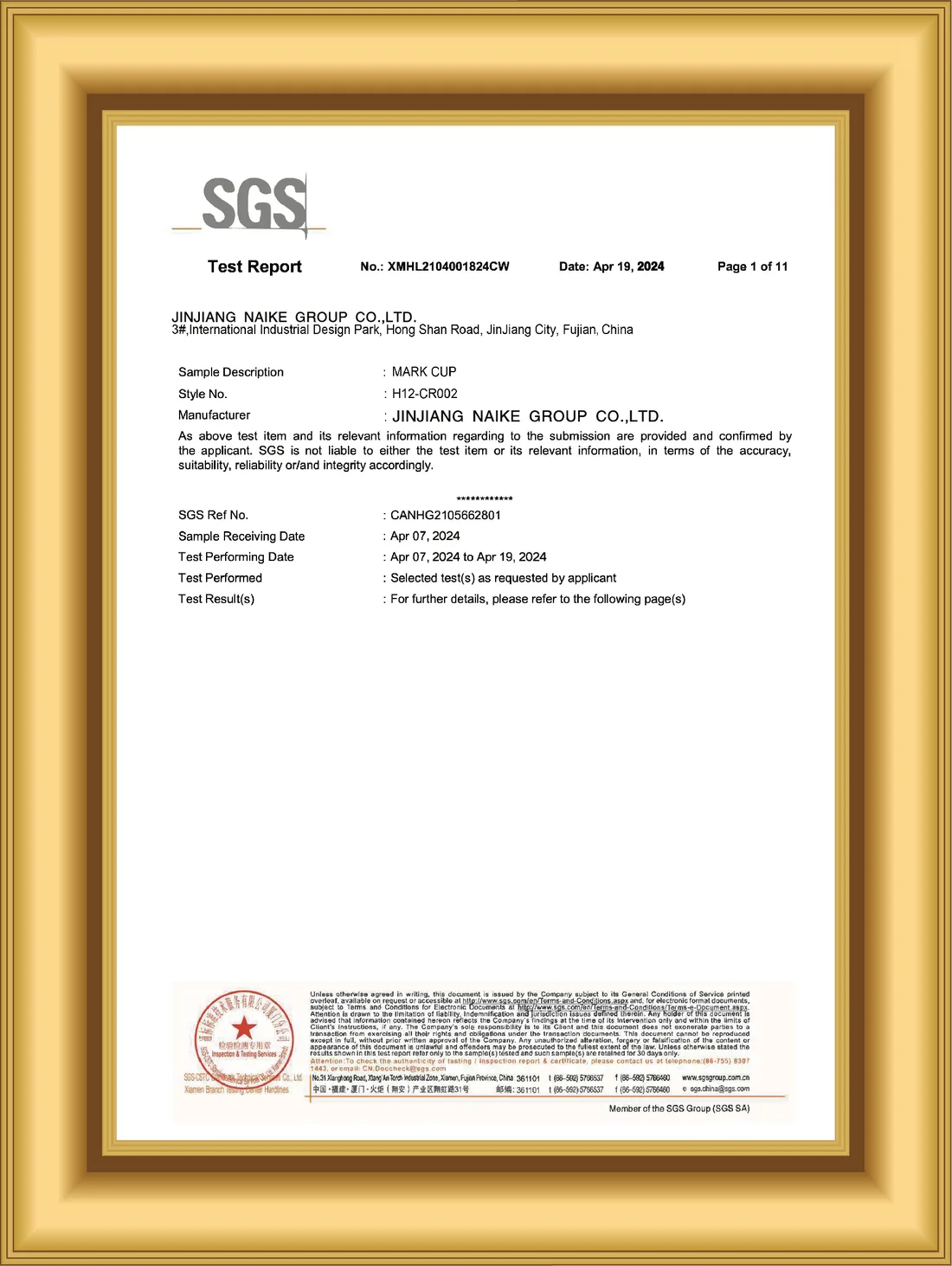
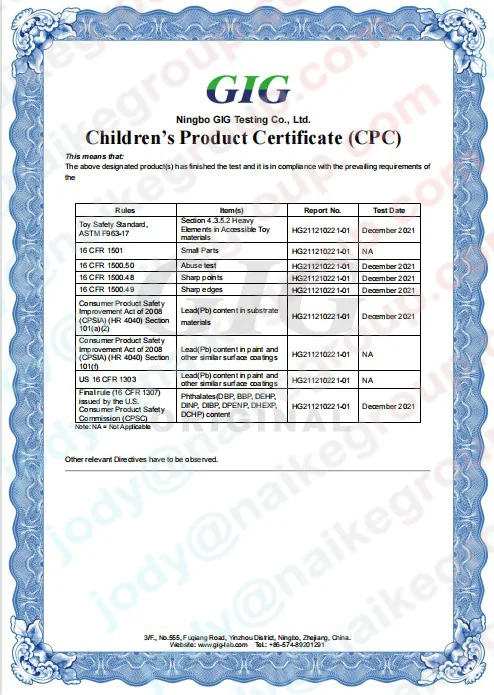
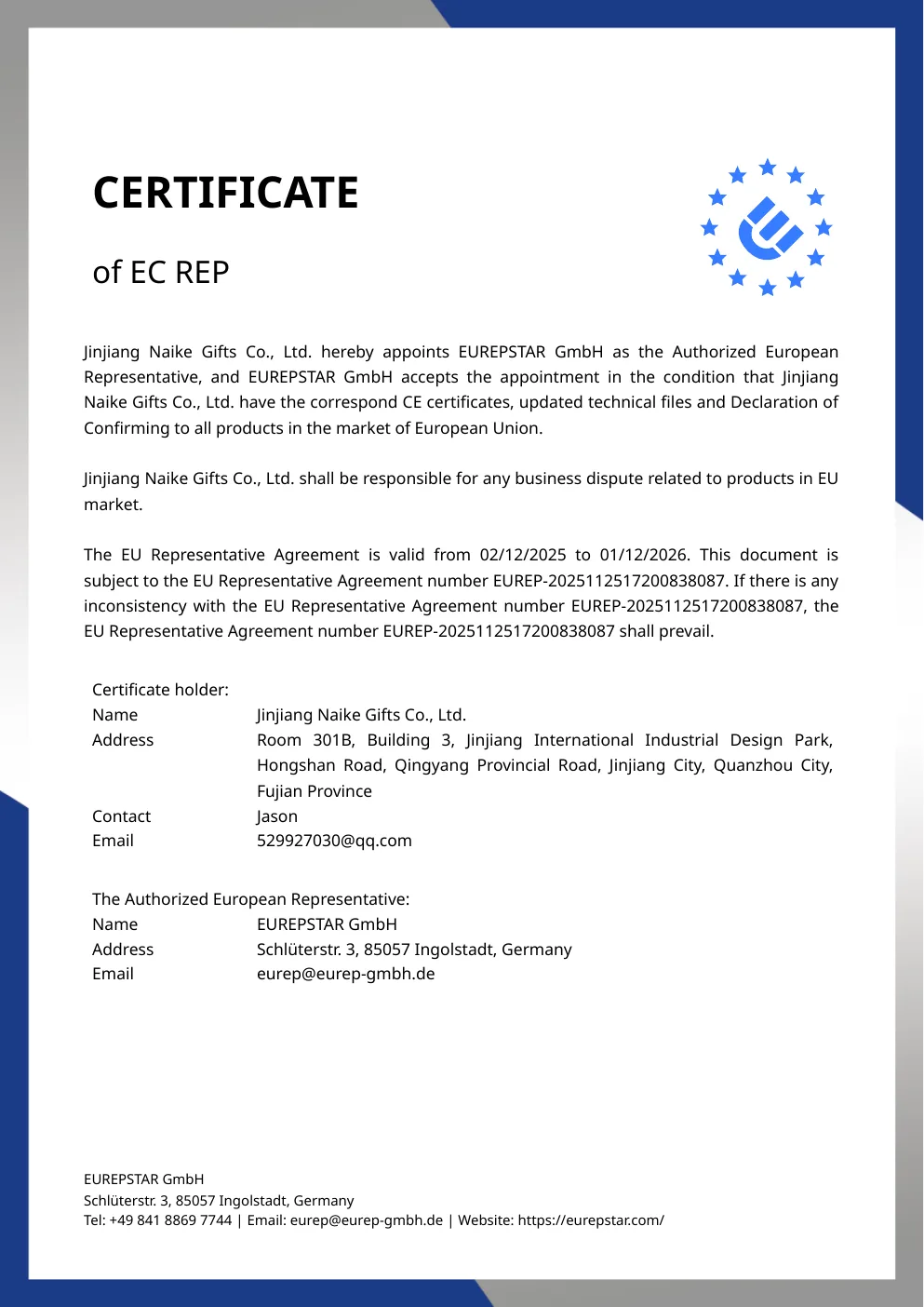
Reports and certificates are supplied only when they apply to the stated product, responsible organization, scope and validity period. This page does not claim that one document covers every product or market.

Outdoor tableware procurement evidence and testing review
Start with the finished article, intended use and destination—not a generic certificate list.

FOUR DOCUMENT TYPES WITH DIFFERENT PURPOSES

What Buyers Should Ask to See

A laboratory report, raw-material declaration, factory audit and shipment inspection report answer different questions. They cannot replace one another. A reliable technical file connects each document to a named SKU, material formulation, responsible supplier, production batch or approved sample.

01

Material evidence

Identifies resin, alloy, steel grade, filler, color system or coating relevant to the finished component. It should be traceable to the responsible material or component source.

02

Finished-product testing

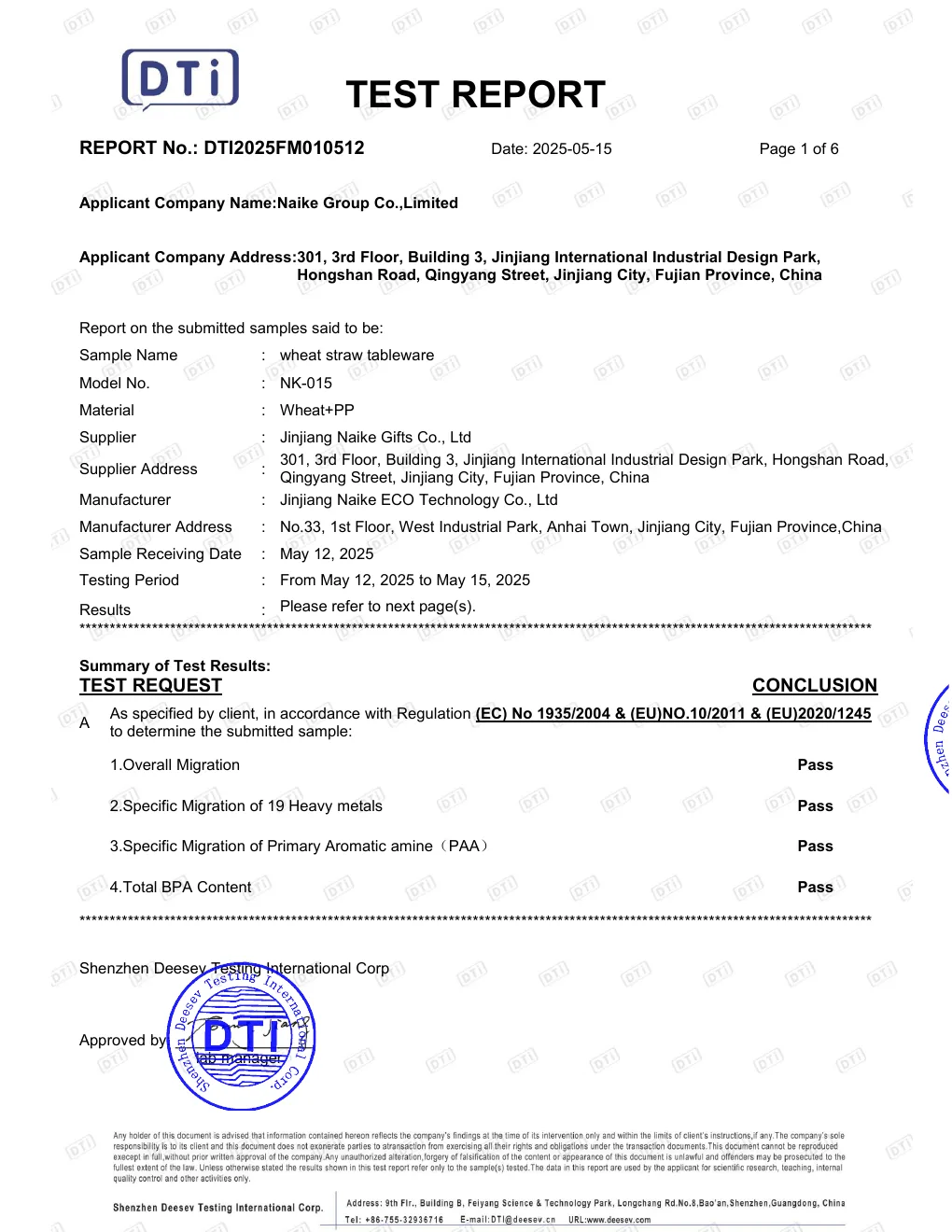
Evaluates the actual article under a defined food type, time, temperature, reuse or performance condition. The report sample must match the commercial product.

03

Factory and system documents

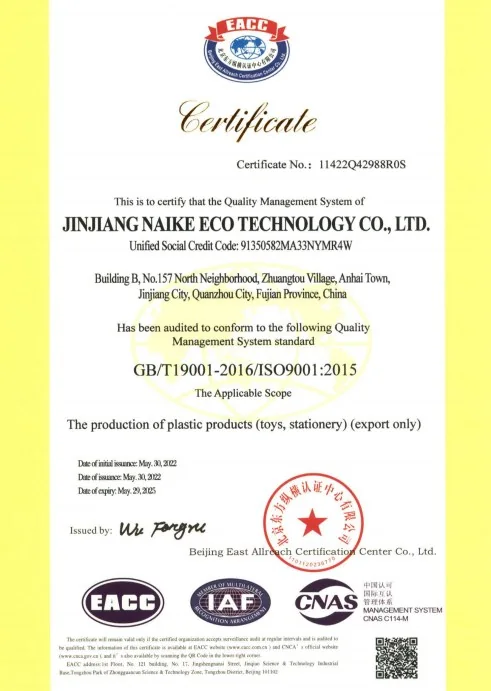
Describe the audited organization, site, management system and certificate scope. They do not automatically prove that a particular SKU passes a product test.

04

Batch and shipment records

Connect purchase order, approved sample, production lot, inspection result, carton data and release decision for the goods being shipped.

DEFINE THE REGULATORY SCOPE FIRST

Food-Contact Testing Follows Market and Intended Use

“Food safe” is not a complete test instruction. The laboratory needs to know the destination, article material, food type, contact time, contact temperature, repeated-use conditions and any coating, printing or decoration. A cold-water cup, a hot-food bowl and a reusable plate may require different conditions even when they use a similar base material.

For United States projects, the regulatory status of components and their conditions of use should be reviewed against applicable FDA resources. For European Union projects, food-contact materials are governed by the general framework and applicable material-specific or national measures. The buyer or party placing the product on the market remains responsible for confirming the final compliance route.

MATERIAL-SPECIFIC VALIDATION

Different Materials Require Different Questions

The test plan should follow the construction and failure modes of each product. The examples below are procurement checkpoints, not universal claims that every test is required or already completed for every Naike item.

PP outdoor tableware controlled drop test planning
FOOD-GRADE PP

Resin, migration and use-performance controls

Confirm resin identity, color masterbatch, any additives and restrictions relevant to the destination. Finished-product planning may include applicable migration work, dimensions, wall thickness, unit weight, color tolerance, odor, drop resistance, heat exposure, dishwasher cycles and nesting fit. A raw-resin document does not replace testing or inspection of the finished colored article.

Review PP camping dinnerware →
Titanium camping tableware weight and dimensional quality control
TITANIUM

Grade, weight and workmanship verification

Record the declared material grade or alloy route, nominal thickness, finished unit weight and tolerance by SKU. Inspect rim construction, weld or handle joints, surface treatment, sharp edges, stability and nesting compatibility. Chemical composition or material declarations and finished-product workmanship records answer different questions, so the approved evidence pack should include both when relevant.

Review titanium specifications →
Stainless steel camping tableware construction and finish inspection
STAINLESS STEEL

Steel grade, construction and corrosion scope

Define the steel grade, gauge, wall construction, rim, handle or weld design and surface finish. Inspection should compare brushing, polishing or coating against an approved reference. Corrosion or salt-spray testing is selected only when justified by the product, surface, intended exposure and buyer requirement. Packaging must also protect finished surfaces from abrasion.

Review stainless steel programs →
Wheat-straw composite tableware formulation and test sample review
WHEAT-STRAW COMPOSITE

Complete formulation and accurate claims

When straw filler is combined with PP, document the polymer base, filler, color system and relevant additives. Plan finished-product checks for the intended contact and use conditions. The material should not be described as plastic-free, fully biodegradable or universally compliant without product-specific evidence. Destination-market claim review is part of the commercial approval process.

Review composite evidence boundaries →

PERFORMANCE TESTING FOR THE USE SCENARIO

Outdoor Durability Is a Measurable Brief

Outdoor suitability is not created by adding “camping” to the product name. The buyer should define the expected drop height, packed configuration, heat exposure, cleaning method, transport environment and acceptable appearance after use. Tests are then selected to reproduce relevant risks without implying that one result predicts every real-world condition.

Drop and impact

Specify sample conditioning, drop height, surface, orientation, number of drops and acceptance criteria for cracks, deformation and usability.

Heat and cleaning

Define food temperature, exposure time, dishwasher program or manual cleaning cycles and permitted dimensional or visual change.

Nesting and packability

Check the complete component sequence, packed dimensions, lid closure, rattle control, carry-case fit and retrieval after transport.

Surface and corrosion

Match abrasion, coating adhesion or corrosion work to the actual metal, finish, outdoor exposure and expected service life.

AQL defect classification for outdoor tableware inspection

PRE-SHIPMENT INSPECTION

Turn the Golden Sample into Release Criteria

AQL inspection is meaningful only after critical, major and minor defects are defined for the specific product. Examples can include wrong material or component, unsafe sharp edges, cracks, missing pieces, unacceptable color difference, logo defects, poor nesting, carton damage or incorrect barcode data. The buyer and supplier should agree which defects affect safety, function, saleability or appearance.

The inspection checklist should reference the purchase order, approved golden sample, drawings, product specification, packaging artwork, carton marks and sampling plan. Quantity verification, workmanship, functional checks, dimensions, unit weight and packaging checks can then be recorded consistently. Laboratory reports do not replace shipment inspection, and shipment inspection does not replace food-contact evidence.

Outdoor tableware batch identification and warehouse traceability

BATCH TRACEABILITY

Connect Documents to the Goods Being Shipped

Traceability should connect the finished SKU and production lot to relevant material records, work order, quality checks, packaging version and shipment. The exact system depends on the product and production route, but the buyer should be able to identify which approved specification and artwork applied to the batch.

For multi-material sets, each component may come from a different process or responsible source. The final packer should control the bill of materials, component quantities, lot references and final inspection. This is especially important when titanium or stainless steel projects involve qualified manufacturing partners while molded components follow a separate route.

  • Purchase order and approved specification
  • Material or component source record
  • Production or incoming lot identification
  • In-process and final quality records
  • Approved artwork and packaging version
  • Inspection and shipment release reference

READ CERTIFICATES CORRECTLY

Organization, Site, Scope and Validity Matter

Management-system certificates and social-compliance audits can support supplier qualification, but the buyer must read the details rather than relying on a logo. Confirm the legal organization, production site, covered activities, issuing body, certificate number, validity period and current status. If a sourced component is produced by a partner facility, a certificate from another site should not be presented as covering that production.

Factory or system certificate

Verify the named organization, address, scope, issuing body and expiry date.

Laboratory report

Verify sample description, model, material, test method, conditions, results and report date.

Material declaration

Verify the responsible source, declared composition or grade, lot relevance and any limitations.

Inspection report

Verify purchase order, quantity, sample size, defects, packaging, photos and release decision.

BUYER EVIDENCE PACK

Documents to Define Before Samples or Bulk Production

The correct pack varies by market and product, but the following structure helps importers and brands identify gaps early. Naike can coordinate available declarations, sample identification, third-party testing and inspection planning after the exact SKU, material, destination and conditions of use are confirmed.

TESTING FAQ

Questions from Brands and Importers

Does one test report cover every color and SKU?

Not automatically. Coverage depends on the material formulation, color system, dimensions, construction, decoration, sample description and test scope. The buyer and laboratory should confirm whether a report can support variants.

Can a raw-material certificate replace finished-product testing?

No. A raw-material document helps identify the input, while finished-product testing evaluates the complete article under defined conditions. Both may be needed for a controlled evidence file.

Are titanium and stainless steel tested in the same way?

No. The selected chemical, migration, corrosion and workmanship checks depend on the declared metal, construction, finish, destination and intended use.

Can Naike provide every certificate before the product is selected?

No. Applicable evidence can be identified only after the exact product, material, responsible production route, destination and use conditions are known. Available documents are reviewed against that scope.

Who decides the final compliance requirements?

The importer, brand or party placing the product on the destination market should confirm its legal obligations and laboratory scope. Supplier documents and test coordination support that process but do not replace the buyer's regulatory responsibility.

REQUEST A PRODUCT-SPECIFIC REVIEW

Share the SKU, Market and Intended Use

Send the product reference, material, destination, food type, temperature, quantity, packaging and required delivery date. We will identify which information is available and which evidence still needs to be planned.