
Should the Lunch Box Share the Dinnerware Case?
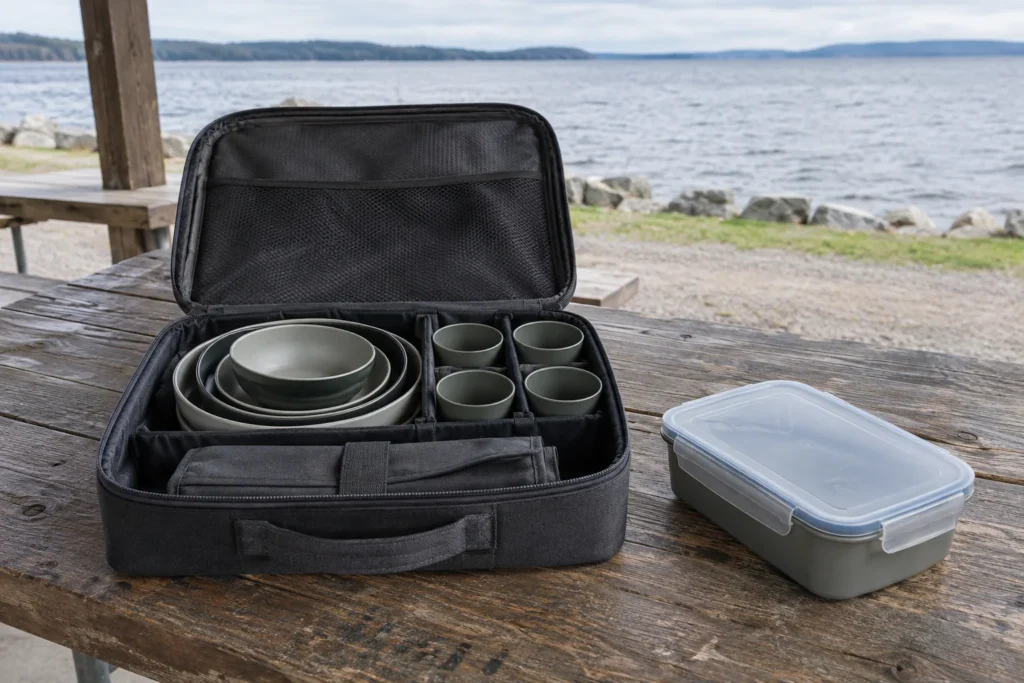
A buyer matrix for deciding whether a food container should ride inside a camping dinnerware case or remain a separate module.
Write a Repeatable Pack-Out Instruction for a Portable Set
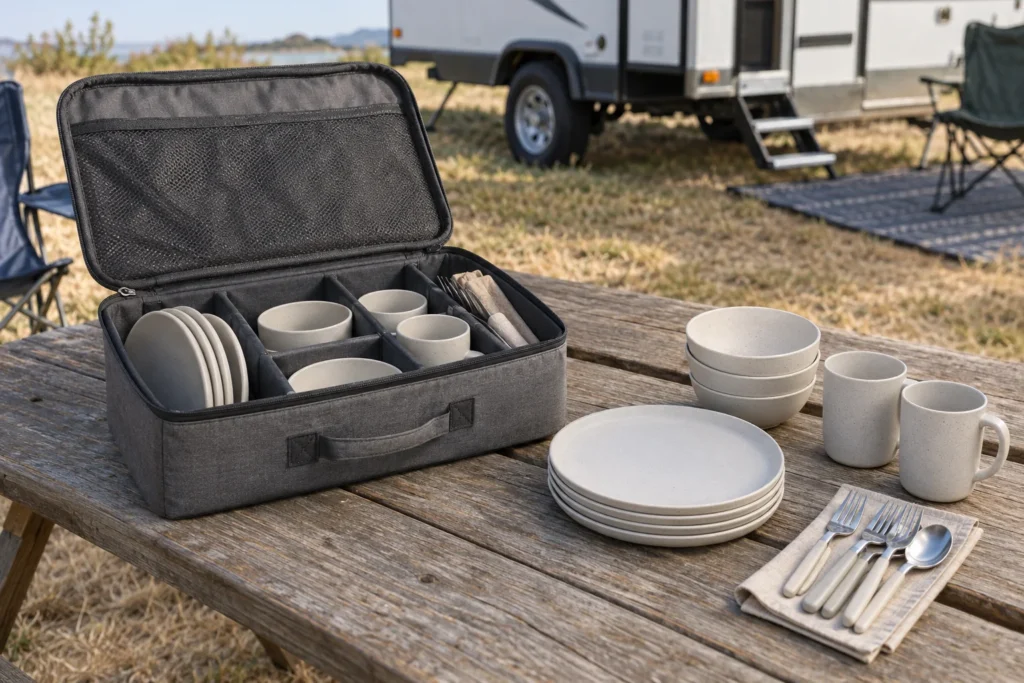
A practical numbered pack-out sequence and sign-off worksheet for portable dinnerware sets, with scope, exception and revision controls.
How to Check Fit Between Existing Dinnerware and a New Carry Case
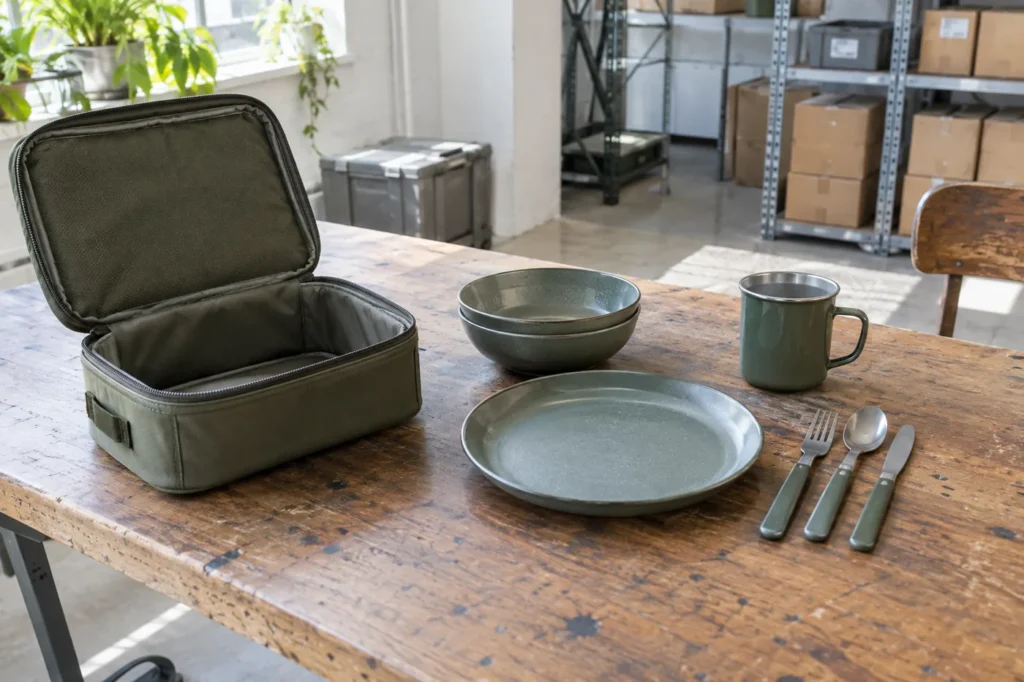
A practical component-to-case drawing checklist for buyers changing the carry case around existing camping plates, bowls, cups and utensils.
How to Build a Core Set Without Bundling Unused Pieces
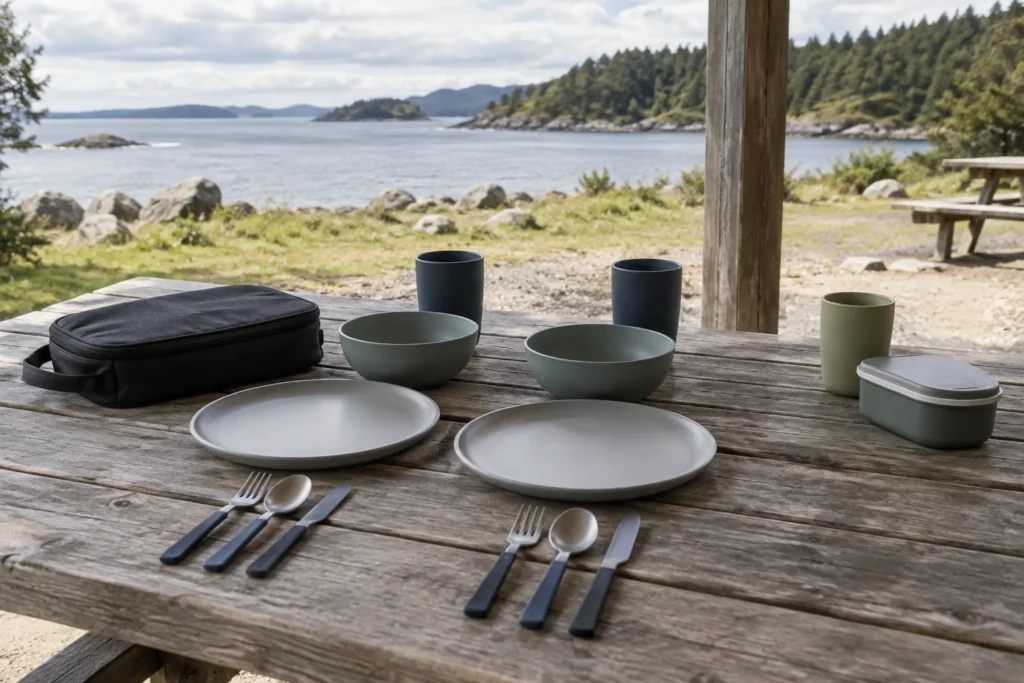
A buyer-ready base-versus-option worksheet for configuring a camping dinnerware core set without forcing every customer to pay for unused components.
Which Parts of a Camping Dinnerware Set Should Be Modular?
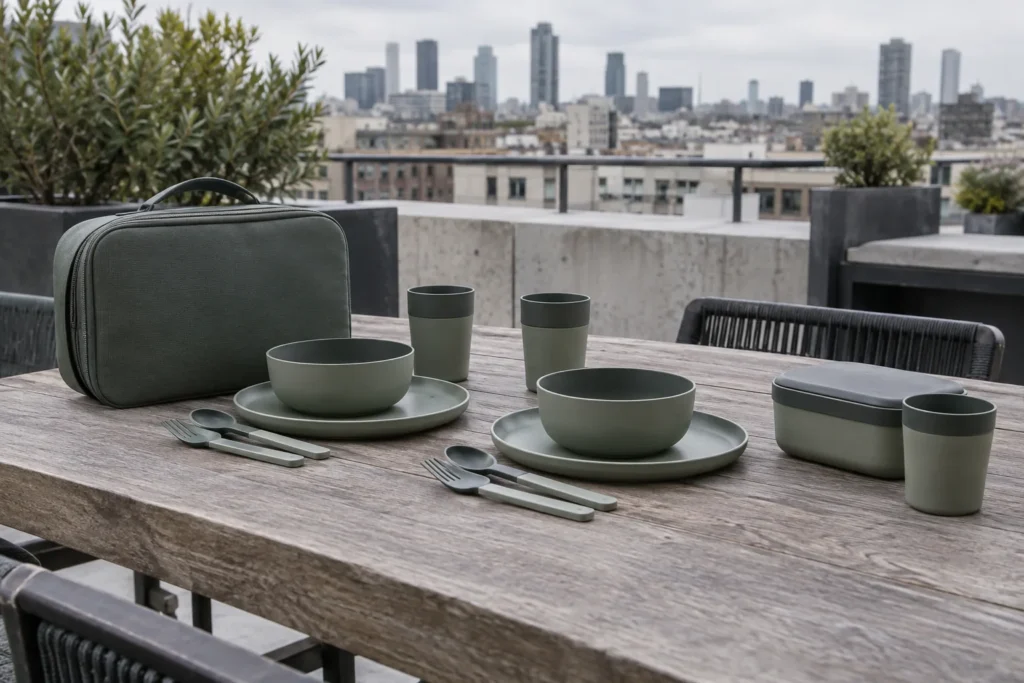
A practical core-and-add-on interface map for buyers designing a modular camping dinnerware set, with fit, food-use evidence and retail bundle controls.
Two-Person vs Six-Person Camping Sets: What Changes Beyond Piece Count?
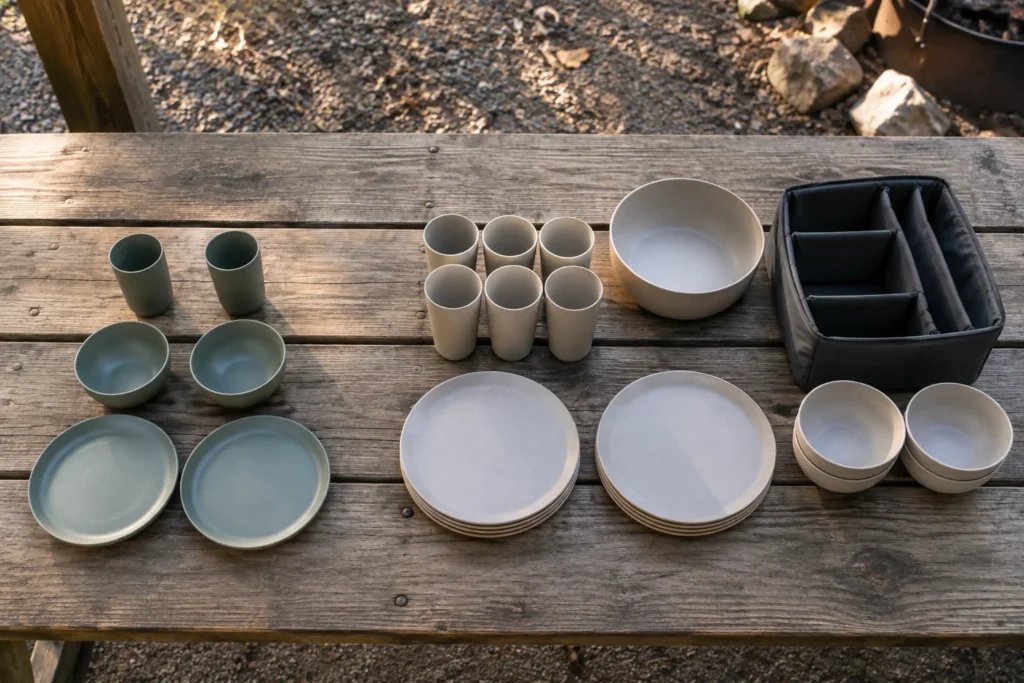
A buyer architecture matrix for scaling a camping dinnerware program from two users to six without assuming every part should simply triple.
How to Set a Weight Budget for Every Component in a Camping Set
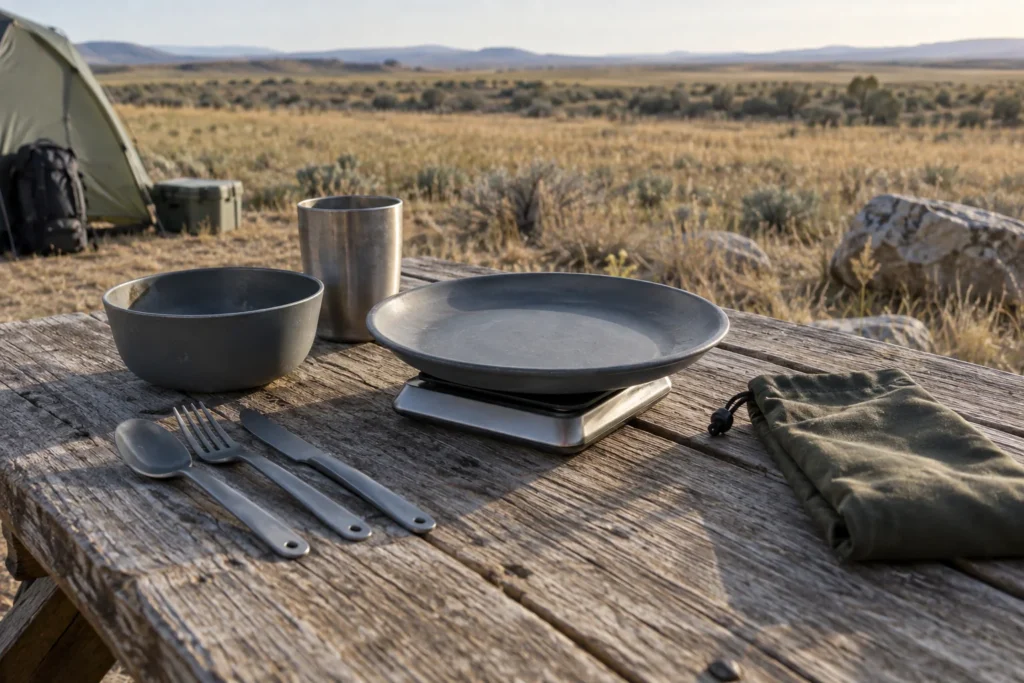
A practical buyer worksheet for allocating, measuring and approving the packed mass of a multi-component camping dinnerware set.
When Does a Mixed-Material Camping Set Make Sense?
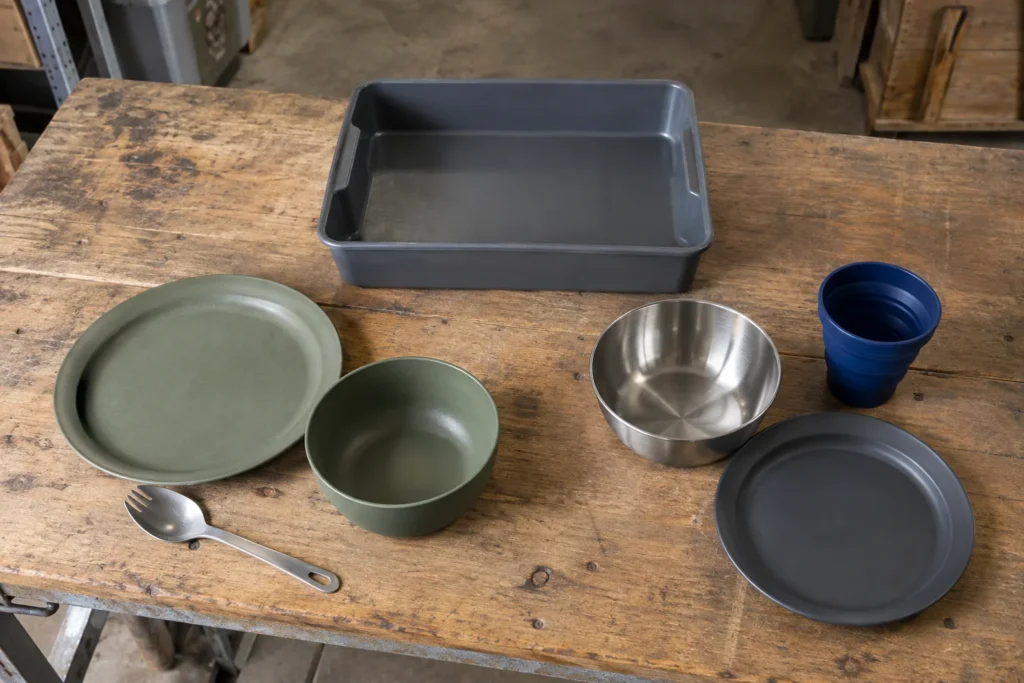
A buyer decision framework for mixing materials by component role without losing food-contact evidence, packout control or change traceability.
Rigid vs Collapsible Components in a Camping Dinnerware Set
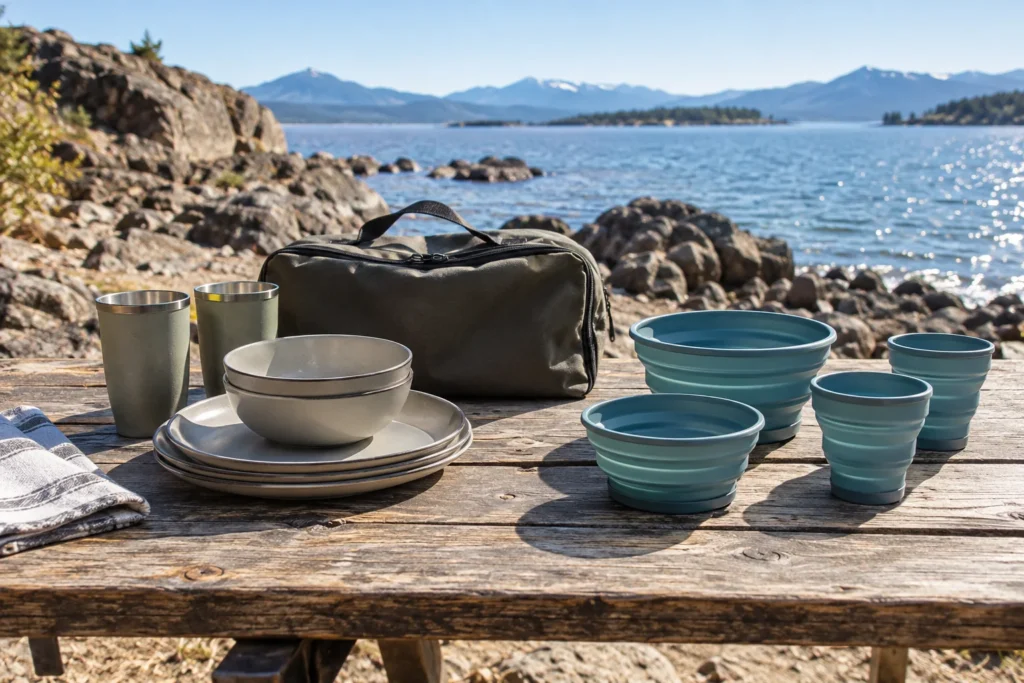
A procurement framework for assigning rigid and collapsible components in one camping dinnerware set, with a role matrix, evidence plan and sample controls.
Enamel vs PP Camping Plates for Retail Programs
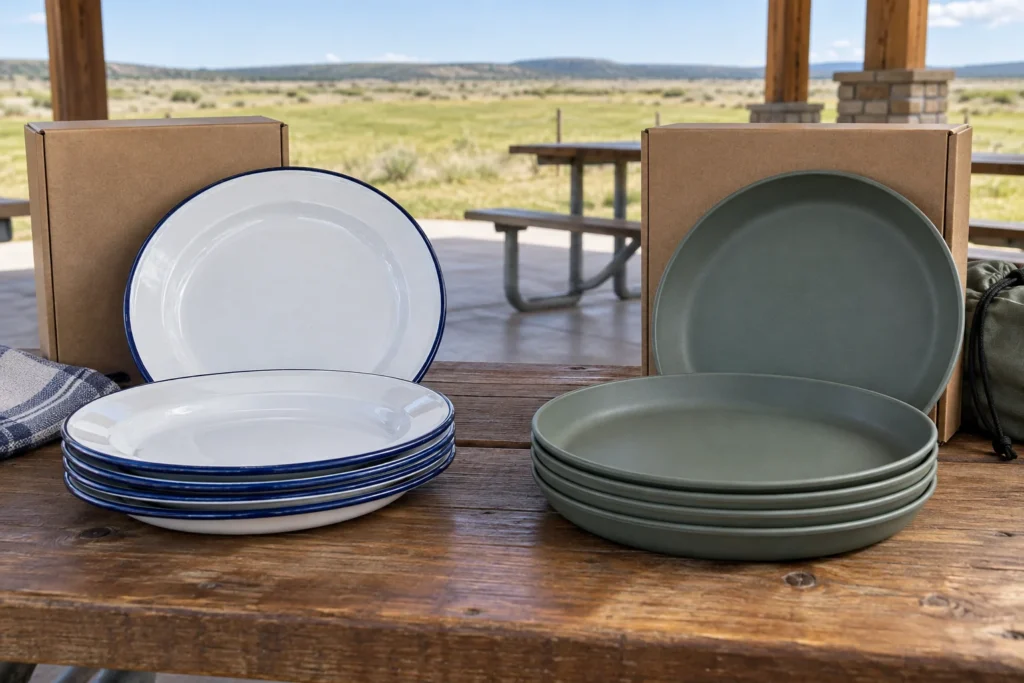
A channel-specific purchasing comparison of enamel and PP camping plates, including packout, damage modes, evidence boundaries and sample approval controls.