(+86)-185-5905-0813 | sales@naikegroup.com | Within 24 hours response from our salesman

Eco-Friendly Tableware Demand in Europe: Opportunities for Wheat Straw Dinnerware Importers

Eco-Friendly Tableware Demand in Europe

If you are a B2B buyer or a wheat straw dinnerware importer looking at the European market in 2026, you aren’t just looking at a “trend”—you are looking at a mandatory industrial shift.

The European Union has long been the global pioneer in environmental regulation, but 2026 marks a critical inflection point. With the full implementation of updated Single-Use Plastics (SUP) Directives and increasingly stringent national laws in Germany and France, the demand for eco-friendly tableware in Europe has transitioned from “premium niche” to “mass-market necessity.”

At Naike Dinner, we’ve watched our European import partners double their volumes over the last 24 months. Why? Because the alternatives are disappearing. Plastic is being taxed out of existence, and bamboo-melamine composites have faced massive regulatory scrutiny.

In this market insight, we break down why Europe is currently the most profitable region for sustainable tableware and how importers can capitalize on this $15 billion opportunity.


1. The Regulatory Hammer: Why 2026 Changes Everything

The primary driver for eco-friendly tableware in Europe is legislative. The EU Single-Use Plastics (SUP) Directive has already banned plastic cutlery, plates, and straws. However, 2026 brings new “Extended Producer Responsibility” (EPR) fees and stricter packaging waste targets.

The Shift from “Disposable” to “Reusable”

EU regulators are moving away from single-use items—even biodegradable ones—and pushing for reusable circular solutions. Wheat straw dinnerware, specifically the composite variety blended with food-grade PP, fits this “reusable” category perfectly. It is durable enough for 500+ dishwasher cycles but maintains the low carbon footprint of a plant-fiber product.

For importers, this means your sales pitch is no longer just about “being green”—it’s about “being compliant.” Ensuring your products have LFGB Testing is the non-negotiable entry ticket for this market.


2. Market Hotspots: Germany, France, and the UK

While the entire continent is moving toward sustainability, three markets are leading the charge for wheat straw dinnerware importers.

Germany: The Growth Engine

Germany remains the largest market for bio-based tableware in Europe, with a projected CAGR of 13.4% through 2033. German retailers like Aldi, Lidl, and Rossmann have aggressive carbon-neutral goals and are actively replacing their remaining plastic-based housewares with fiber-composites.

France: The Anti-Waste Pioneer

France’s “AGEC” law (Anti-Waste for a Circular Economy) is even stricter than EU baselines. Since 2023, fast-food restaurants with more than 20 seats must use reusable tableware for on-site consumption. This has created a massive supply gap for durable, lightweight, and eco-friendly plates and bowls that wheat straw can fill.

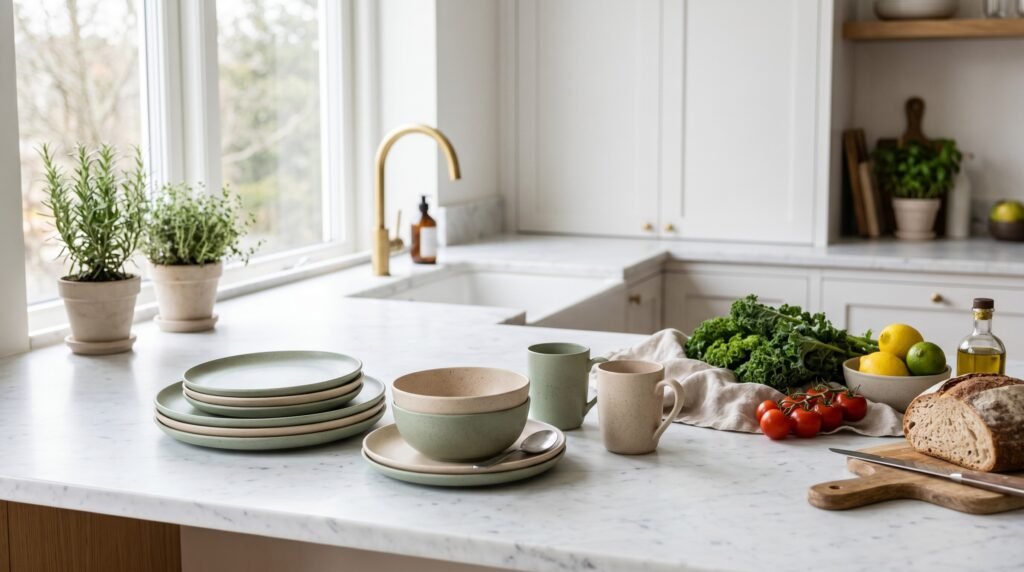
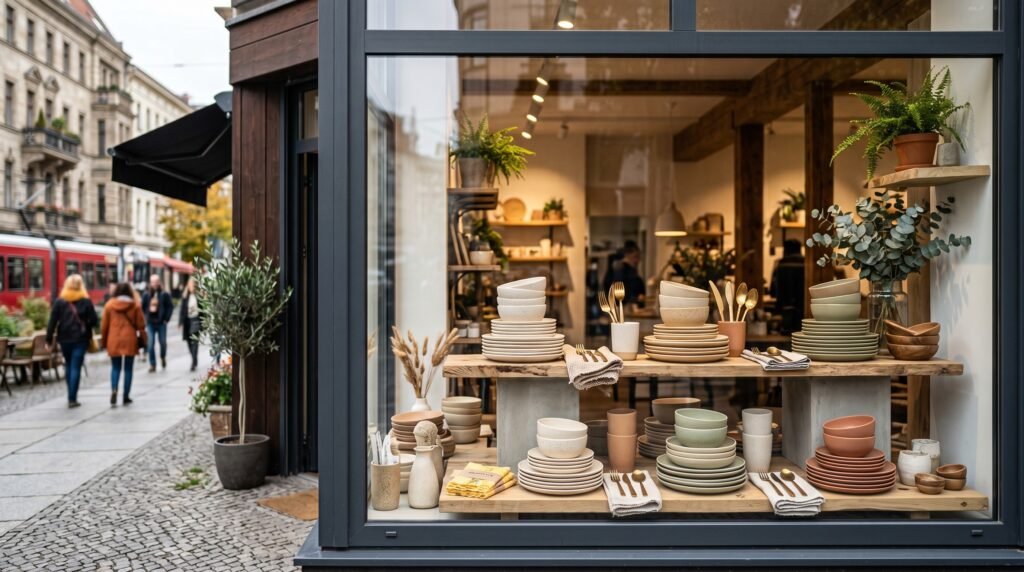
Europe Retail Window Eco Trends

3. Why Wheat Straw is Winning Over Bamboo and PLA

Importers often ask us: “Why should I choose wheat straw over bamboo or PLA?” In the European context, the answer is safety and stability.

In 2021, the EU flagged safety concerns regarding bamboo-fiber plates that used melamine resin as a binder. Many of these products were pulled from shelves due to formaldehyde migration.

Wheat straw composite (Wheat Straw + Food-Grade PP) has emerged as the stable alternative. It is:

  • Heat Stable: Safe for microwave use (unlike many PLA products).
  • Migration Safe: When manufactured correctly, it easily passes the strict Specific Migration Limits (SML) required by EU 10/2011.
  • Cost-Effective: Typically 15-20% more affordable than high-end PLA or pure silicone.

4. The “Retail-Ready” Opportunity for Importers

The biggest opportunity right now isn’t in promotional giveaways—it’s in Retail Chains and Supermarkets.

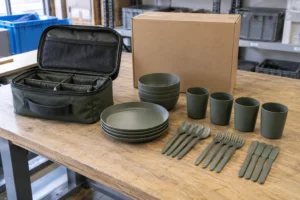
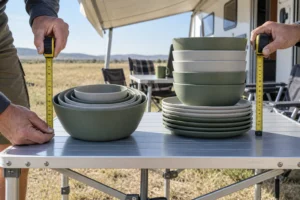
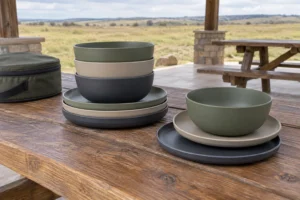
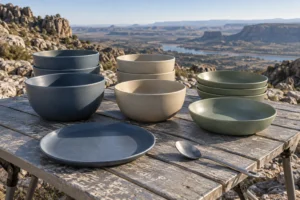
European supermarkets are looking for complete “Lifestyle Sets”—matching plates, bowls, and mugs in curated Nordic palettes (sage greens, beiges, and slate greys). As a wheat straw dinnerware importer, your focus should be on providing retail-ready packaging and certified safety.

How to Scale Your EU Import Business for Eco-Friendly Tableware Demand in Europe:

  1. Target the “Back-to-School” and “Outdoor” Seasons: These are the peak sales windows for unbreakable, eco-friendly sets in Europe.
  2. Focus on Private Label: Brands like IKEA and Muji have set the aesthetic standard. Importers can compete by offering Custom Branded Private Label Sets at a fraction of the cost.
  3. Audit Your Supply Chain: Ensure your factory has BSCI or ISO certification, as European corporate buyers will ask for social compliance documents.
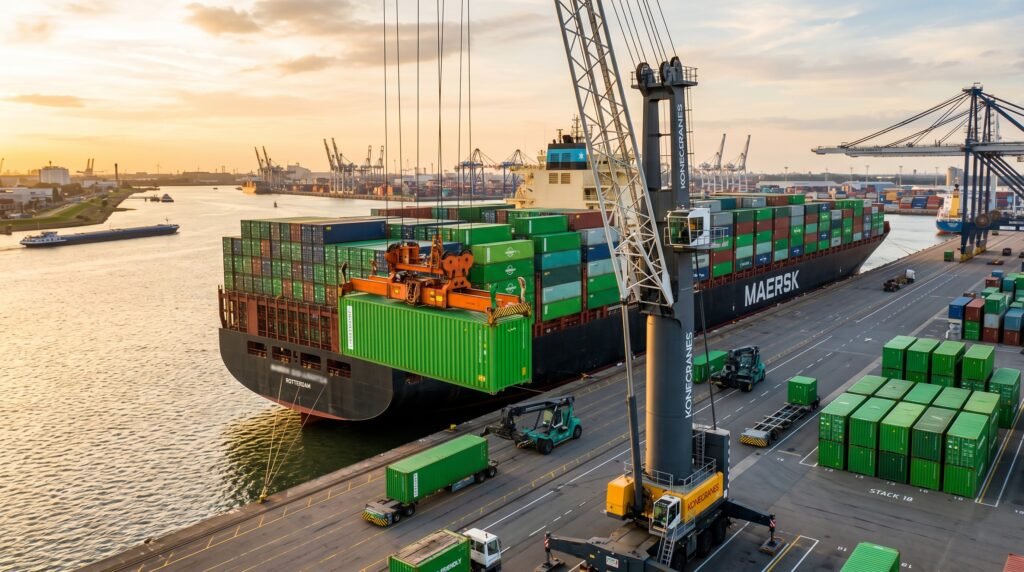
Europe Port Logistics Opportunity

Conclusion: A $15 Billion Market Waiting for You

The European eco-friendly tableware market is projected to reach $14.56 billion by 2034. For importers who move now to secure reliable, LFGB-certified supply chains, the growth potential is enormous.

Regulatory pressure isn’t a barrier—it’s a filter that removes low-quality competition. By focusing on compliant, reusable, and aesthetically modern wheat straw products, you position your brand at the center of Europe’s green transition.


Ready to Supply the European Market?

Naike Dinner specializes in helping importers navigate the complexities of EU compliance and retail requirements. Whether you need an EU-compliant product list or a custom manufacturing plan, we are here to help.

👉 Request our EU-Market Compliant Product List

👉 Download: 2026 Wheat Straw Dinnerware Catalog

👉 Read: LFGB Testing Guide for EU Buyers

👉 Read: How to Import Tableware from China Safely

OR LEAVE US A MASSAGE

We will contact you as soon as we see the information

YOU CAN CONTACT US

+86 18559050813          sales@naikegroup.com