How to Import Wheat Straw Tableware from China in 2026: A Complete Guide for Global Buyers
As sustainability continues to shape consumer purchasing decisions worldwide, wheat straw tableware has become one of the fastest-growing alternatives to traditional plastic products. Retailers, wholesalers, distributors, restaurants, and promotional product companies are increasingly sourcing eco-friendly dinnerware from China to meet market demand while maintaining competitive pricing.
However, importing wheat straw tableware successfully requires more than simply finding a supplier online. Buyers need to understand product quality, certifications, customization options, shipping methods, and supplier capabilities before placing an order.
This guide walks you through everything you need to know about importing wheat straw tableware from China in 2026.
Why Import Wheat Straw Tableware from China?
China remains the world’s leading manufacturing hub for eco-friendly tableware products.
Chinese manufacturers offer:
- Competitive factory-direct pricing
- OEM & ODM customization services
- Low MOQ options
- Fast production lead times
- Global shipping experience
- FDA, LFGB, SGS compliant products
For B2B buyers, sourcing directly from a manufacturer can significantly reduce procurement costs while ensuring consistent product quality.
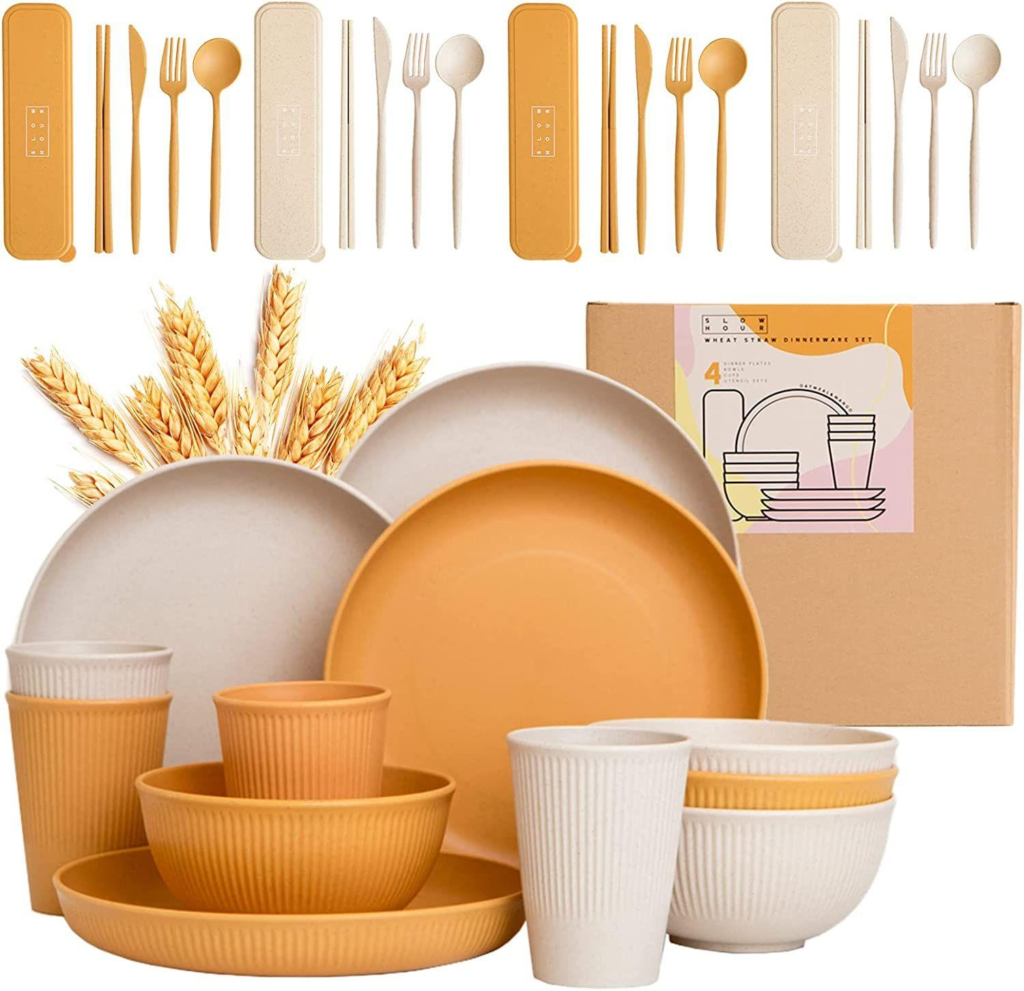
If you’re looking for a reliable supplier, explore our Wheat Straw Dinnerware Collection:
https://www.naikedinner.com/wheat-straw-dinnerware-manufacturer-catalog/
Step 1: Understand Your Product Requirements
Before contacting suppliers, define your requirements clearly.
Questions to consider:
Product Type
- Dinnerware Sets
- Plates
- Bowls
- Cups & Mugs
- Cutlery Sets
- Lunch Boxes
Customization Needs
- Custom Logo Printing
- Custom Packaging
- Color Matching
- Private Label Branding
Market Requirements
Different markets have different compliance standards.
For example:
- USA → FDA Compliance
- Europe → LFGB Compliance
- Australia → Food Contact Regulations
Having clear specifications helps suppliers provide accurate quotations and production timelines.
Step 2: Choose a Reliable Manufacturer
Not all suppliers are actual manufacturers.
When evaluating suppliers, ask:
Are you a factory or trading company?
What certifications do you have?
Common certifications include:
- ISO 9001
- ISO 14001
- BSCI
- FDA
- LFGB
- SGS Testing Reports
How many years of export experience do you have?
A supplier with extensive export experience can help avoid common international shipping and compliance issues.
Step 3: Request Samples Before Bulk Orders
Never place a large order without reviewing samples.
Sample evaluation should include:
Product Quality
- Surface finish
- Color consistency
- Material texture
- Odor inspection
Functional Testing
- Dishwasher safe
- Microwave safe
- Drop resistance
Branding Accuracy
- Logo printing quality
- Packaging design verification
Although samples may incur a small fee, they can prevent costly mistakes later.
Step 4: Verify Food Safety Certifications
Food-contact products require proper compliance documentation.
Ask suppliers to provide:
These documents help ensure smooth customs clearance and market compliance.
Step 5: Confirm MOQ and Production Timeline
Typical production lead times:
| Order Quantity | Lead Time |
|---|---|
| Sample Order | 3-7 Days |
| Small Order | 15-20 Days |
| Bulk Order | 25-40 Days |
Production schedules may vary depending on:
- Mold availability
- Printing requirements
- Packaging customization
- Peak-season demand
Always confirm timelines before making promotional commitments to your customers.
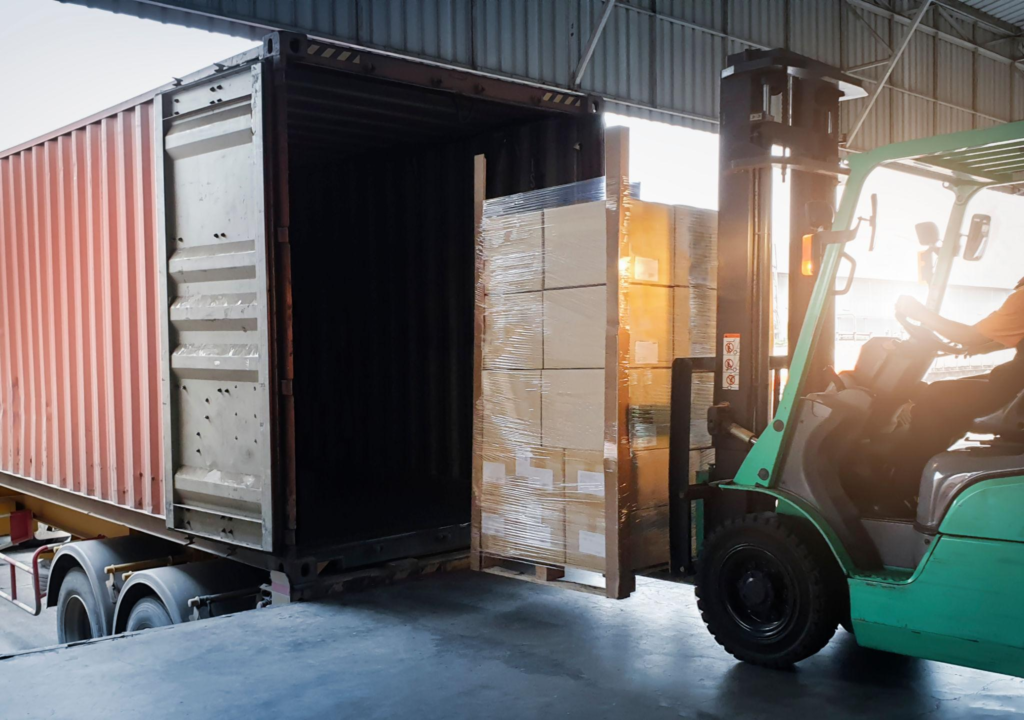
Step 6: Choose the Right Shipping Method
Common shipping options include:
Sea Freight
Best for:
- Large wholesale orders
- Lowest transportation cost
Air Freight
Best for:
- Urgent orders
- Product launches
Express Courier
Suitable for:
- Samples
- Small test orders
Experienced suppliers often work with freight forwarders who can simplify the logistics process.
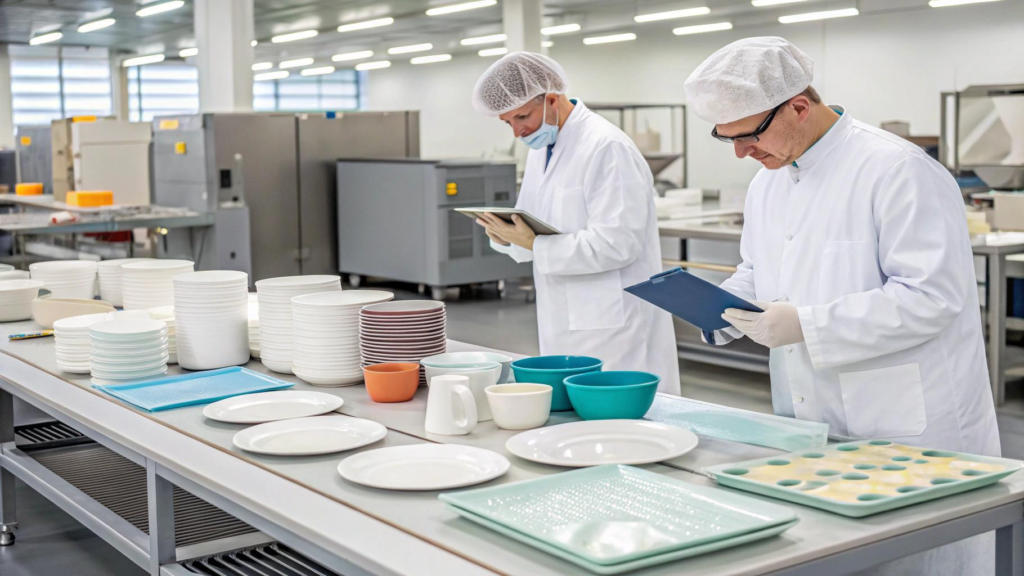
Step 7: Conduct Quality Inspection Before Shipment
A professional pre-shipment inspection can reduce risks significantly.
Inspection checklist:
- Product dimensions
- Logo accuracy
- Quantity verification
- Packaging inspection
- Carton drop test
Many importers use third-party inspection agencies before releasing final payment.
Why More Buyers Choose OEM Wheat Straw Tableware
Private-label eco-friendly products continue to gain popularity.
Benefits include:
- Stronger brand recognition
- Higher profit margins
- Better customer loyalty
- Product differentiation
At Naike Group, we support:
- OEM Manufacturing
- ODM Product Development
- Custom Packaging
- Custom Logo Printing
- Low MOQ Production
Whether you’re a wholesaler, retailer, Amazon seller, promotional products company, or hospitality distributor, we can help bring your product ideas to market efficiently.
Frequently Asked Questions
Is wheat straw tableware safe for food use?
Yes. High-quality wheat straw tableware is BPA-free and suitable for food contact when manufactured according to FDA or LFGB standards.
Can I customize colors and packaging?
Yes. Most professional manufacturers offer custom colors, logos, and retail packaging solutions.
What is the typical MOQ?
MOQ varies by product, but many manufacturers offer low MOQ options for custom projects.
How long does shipping take?
Sea freight typically takes 20–40 days depending on destination, while air freight is significantly faster.
Ready to Import Wheat Straw Tableware from China?
Choosing the right manufacturing partner is the key to successful importing.
At Naike Group, we provide:
✓ Factory Direct Pricing
✓ OEM & ODM Services
✓ FDA & LFGB Compliant Products
✓ Fast Production Lead Times
✓ Global Export Experience
✓ Low MOQ Support
If you’re planning to source eco-friendly tableware in 2026, our team is ready to help.
👉 Contact Us Today
Internal Link:
https://www.naikedinner.com/contact-naike-dinner/
Let’s discuss your project and help you find the most suitable wheat straw tableware solution for your market.
CONTACT US

FDA Food Contact Requirements for Wheat Straw Tableware: 7 Essential Checks to Avoid Risk
FDA Food Contact Requirements for Wheat Straw Tableware: 7 Essential Checks to Avoid Risk FDA Food Contact Requirements for Wheat Straw Tableware matter because U.S.

BPA-Free Is Not Enough: What B2B Buyers Need to Know About Composite Tableware Chemical Testing
BPA-Free Is Not Enough: What B2B Buyers Need to Know About Composite Tableware Chemical Testing Composite Tableware Chemical Testing is becoming a basic requirement for

How to Import Wheat Straw Tableware from China in 2026: Complete Guide for Importers
How to Import Wheat Straw Tableware from China in 2026: A Complete Guide for Global Buyers As sustainability continues to shape consumer purchasing decisions worldwide,

Eco-Friendly Corporate Gifting: Custom Branded Wheat Straw Tableware for Promotional Campaigns
Eco-Friendly Corporate Gifting: Custom Branded Wheat Straw Tableware for Promotional Campaigns Corporate gifting has evolved significantly over the past decade. Traditional promotional products such as

Designing Safe Toddler Dinnerware: Why Wheat Straw is the Perfect Material for Baby Brands
Designing Safe Toddler Dinnerware: Why Wheat Straw is the Perfect Material for Baby Brands The global baby products market continues to evolve as modern parents

The Booming Outdoor & Camping Tableware Market: Why Wheat Straw Sets Are Driving Volume
The Booming Outdoor & Camping Tableware Market: Why Wheat Straw Sets Are Driving Volume In recent years, outdoor activities have gone far beyond traditional camping.