
Custom Wheat Straw Dinnerware for Private Label Brands: A Complete Guide to OEM & ODM Success
As sustainability becomes a key selling point in global markets, more brands are turning to eco-friendly alternatives like wheat straw tableware. For growing businesses, investing in custom wheat straw dinnerware for private label brands is not just a trend—it’s a strategic move to build differentiation and long-term value.
This guide walks you through customization options, sourcing strategies, and how to successfully launch your own branded tableware line.
Why Private Label Wheat Straw Dinnerware Is Growing Fast
Private label allows brands to:
- Build unique product identity
- Control pricing and margins
- Strengthen customer loyalty
- Respond quickly to market trends
👉 With eco-conscious consumers increasing, wheat straw products are becoming a high-demand niche.
What Is Custom Wheat Straw Dinnerware?
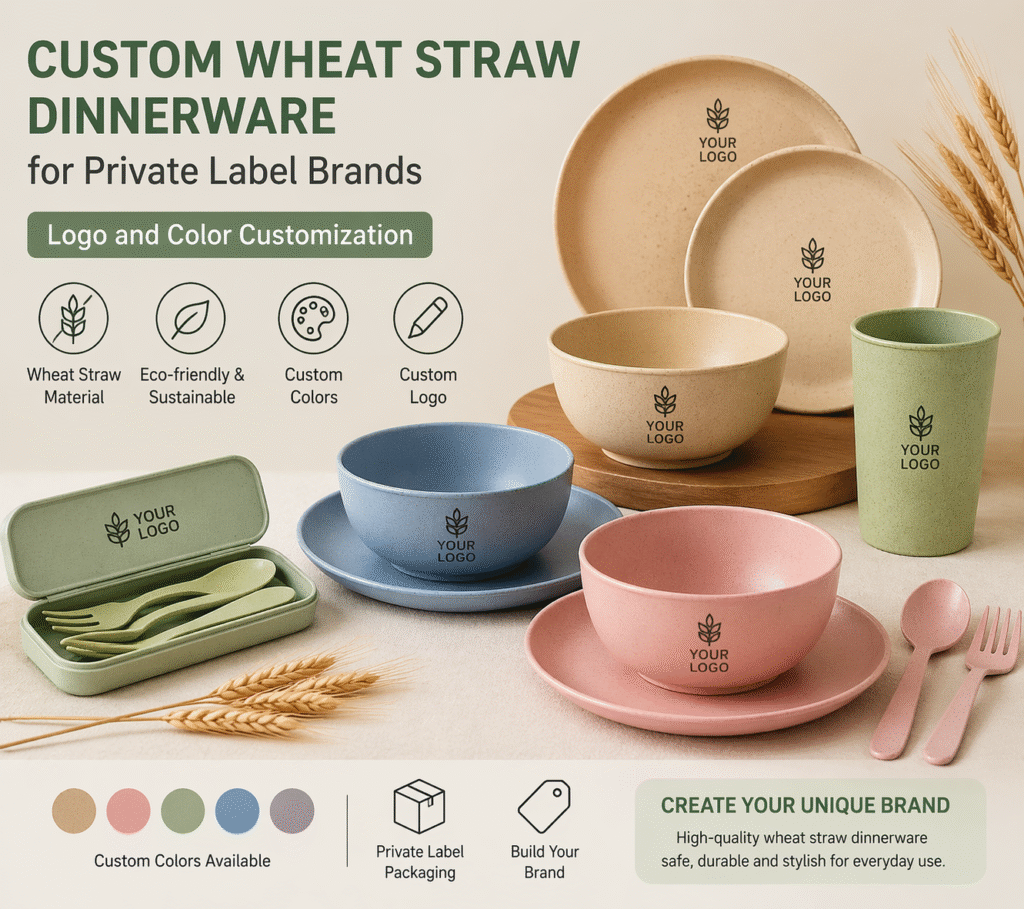
Custom wheat straw dinnerware refers to products manufactured specifically for your brand through OEM or ODM services.
Common Customization Options:
- Logo printing (silk screen, laser engraving)
- Color customization
- Product design & shape
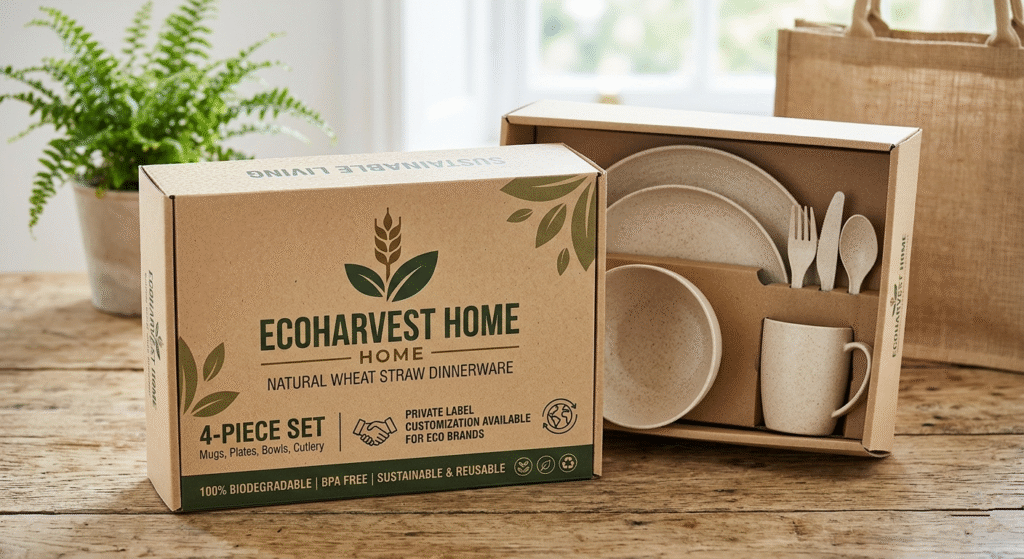
- Packaging (gift box, eco packaging)
👉 This allows private label brands to create exclusive product lines.
OEM vs ODM: Which One Should You Choose?
OEM (Original Equipment Manufacturer)
- You provide design
- Factory produces
✔ Best for established brands
ODM (Original Design Manufacturer)
- Factory provides design
- You customize branding
✔ Best for startups or fast launches
👉 Learn more in our internal guide:
👉 /blog/oem-vs-odm-wheat-straw-tableware
Key Benefits of Custom Wheat Straw Dinnerware
1. Eco-Friendly Brand Positioning
Consumers increasingly prefer sustainable products.
You can reference global sustainability efforts from United Nations Environment Programme.
2. Higher Profit Margins
Private label allows:
- Direct pricing control
- Reduced competition
3. Strong Market Differentiation
Custom products stand out in:
- Amazon
- Retail stores
- Promotional markets
How to Develop Your Private Label Line
Step 1: Define Your Target Market
- Kids tableware
- Outdoor/camping
- Eco lifestyle brands
Step 2: Select Product Range
Popular options include:
- Dinnerware sets
- Lunch boxes
- Cups & bowls
Step 3: Customize Design
- Colors aligned with brand
- Logo placement
- Packaging design
Step 4: Confirm Certifications
Ensure compliance with:
👉 Learn more from U.S. Food and Drug Administration guidelines.
How to Choose the Right Manufacturer
Selecting the right partner is critical.
What to look for:
- Experience in wheat straw products
- Stable production capacity
- Quality control system
- OEM & ODM capability
👉 You can also check:
👉 /wheat-straw-tableware-manufacturer
👉 /wheat-straw-tableware-quality-certification
Common Mistakes to Avoid
❌ Choosing lowest price supplier
❌ Skipping sample testing
❌ Ignoring certification
❌ Poor packaging design
👉 These mistakes can damage your brand image.
🔗 Recommended Solution for Private Label Buyers
Looking for a reliable partner for custom wheat straw dinnerware?
We offer:
- Full OEM & ODM solutions
- FDA & LFGB certified products
- Custom packaging & branding
- Low MOQ for startups
👉 Contact us today to start your private label project.
Final Thoughts
Launching custom wheat straw dinnerware for private label brands is a powerful way to enter the eco-friendly market.
👉 Key success factors:
- Strong product design
- Reliable manufacturer
- Verified certifications
- Clear brand positioning
With the right strategy, you can build a scalable and profitable product line.
FAQ
1. What is private label tableware?
Products manufactured and branded under your own label.
2. What is MOQ for customization?
Usually depends on product type and design.
3. Can I customize packaging?
Yes, including eco-friendly packaging options.
4. Is certification required?
Yes, for U.S. and EU markets.
Discuss Your Project
Tell us about your project.

How Should Buyers Review Cold-Exposure Brittleness in Camping Tableware?
A buyer-ready conditioned-impact comparison plan that defines sample pairing, temperature verification, transfer time, impact conditions, failure modes and claim boundaries for camping tableware.
How Should Buyers Test Stain and Odor Retention in Camping Tableware?
A buyer-ready stain and odor retention protocol that fixes food challenges, contact time, cleaning steps, scoring controls and approval evidence before comparing camping tableware.
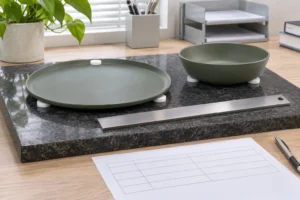
How Should Buyers Measure Plate and Bowl Warpage Without Hiding the Support Condition?
A buyer-ready flatness and warpage protocol that fixes the reference surface, support condition, measurement path, repeats and approval record before comparing camping plates or bowls.
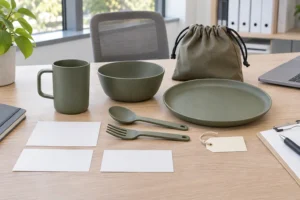
How Should Buyers Connect Complaints to Component Lots and Corrective Action?
A buyer-ready complaint-to-lot CAPA record that links reported evidence, affected component lots, containment, root-cause review, corrective action and effectiveness checks.
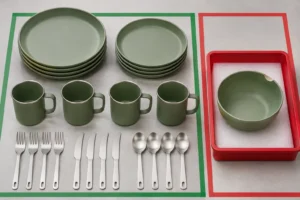
What Happens When One Component Fails Inspection but the Rest Pass?
A buyer-ready decision tree for holding, sorting, replacing and releasing one failed component without losing control of the complete camping dinnerware kit.
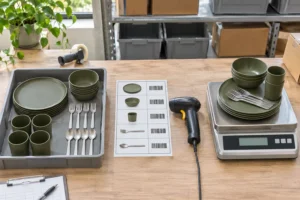
Count, Scan or Weigh: How Should a Kitting Line Verify Completeness?
A buyer-ready matrix for choosing manual count, barcode scan or check-weigh controls for complete camping dinnerware kits.