(+86)-185-5905-0813 | sales@naikegroup.com | Within 24 hours response from our salesman

The Lifecycle of Wheat Straw Tableware: From Agricultural Waste to Premium Kitchenware

As global consumers become more environmentally conscious, sustainable products are no longer just a trend — they are becoming a long-term market demand. Among the many eco-friendly alternatives available today, wheat straw tableware has emerged as one of the most practical and commercially successful solutions for modern kitchens, restaurants, and private label brands.

But have you ever wondered how discarded agricultural waste becomes stylish and durable dinnerware?

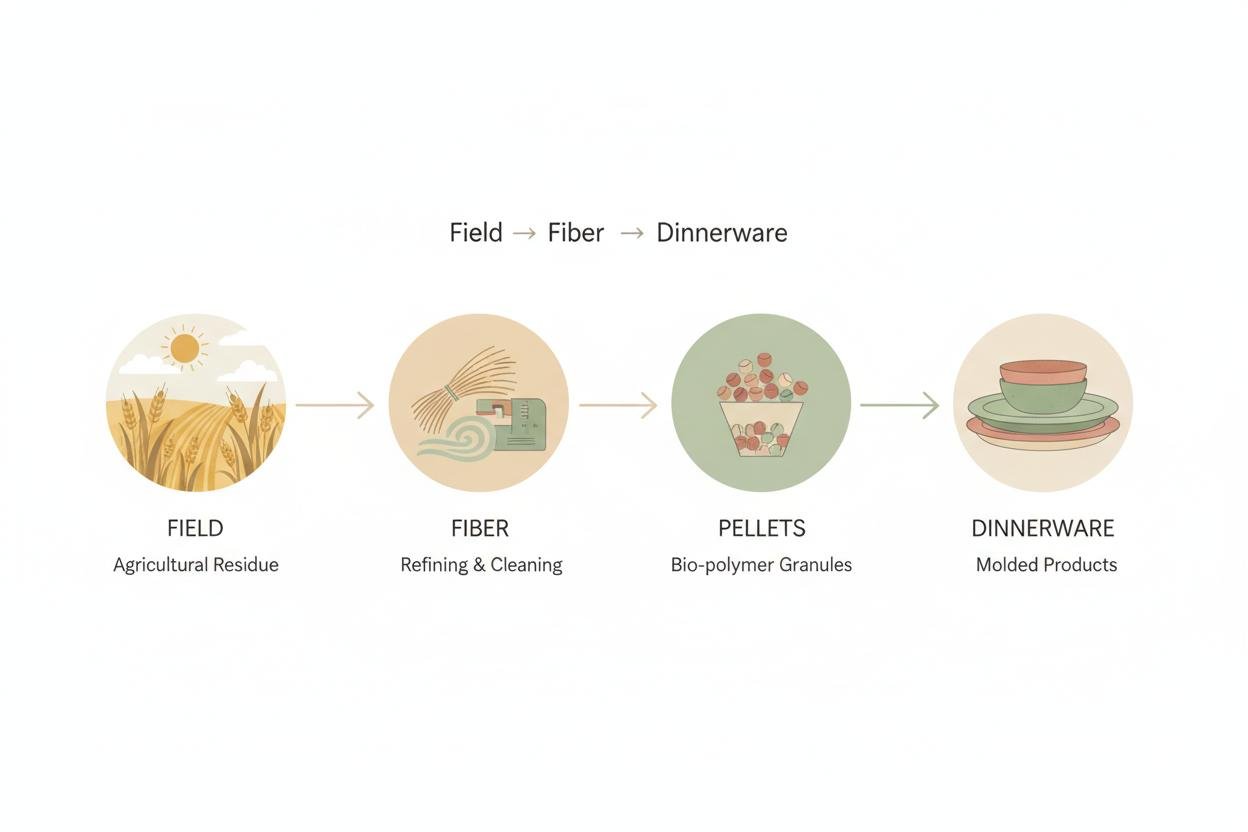
In this article, we’ll explore the complete lifecycle of wheat straw tableware, from harvested wheat fields to premium reusable kitchenware products used around the world.


What Is Wheat Straw Tableware?

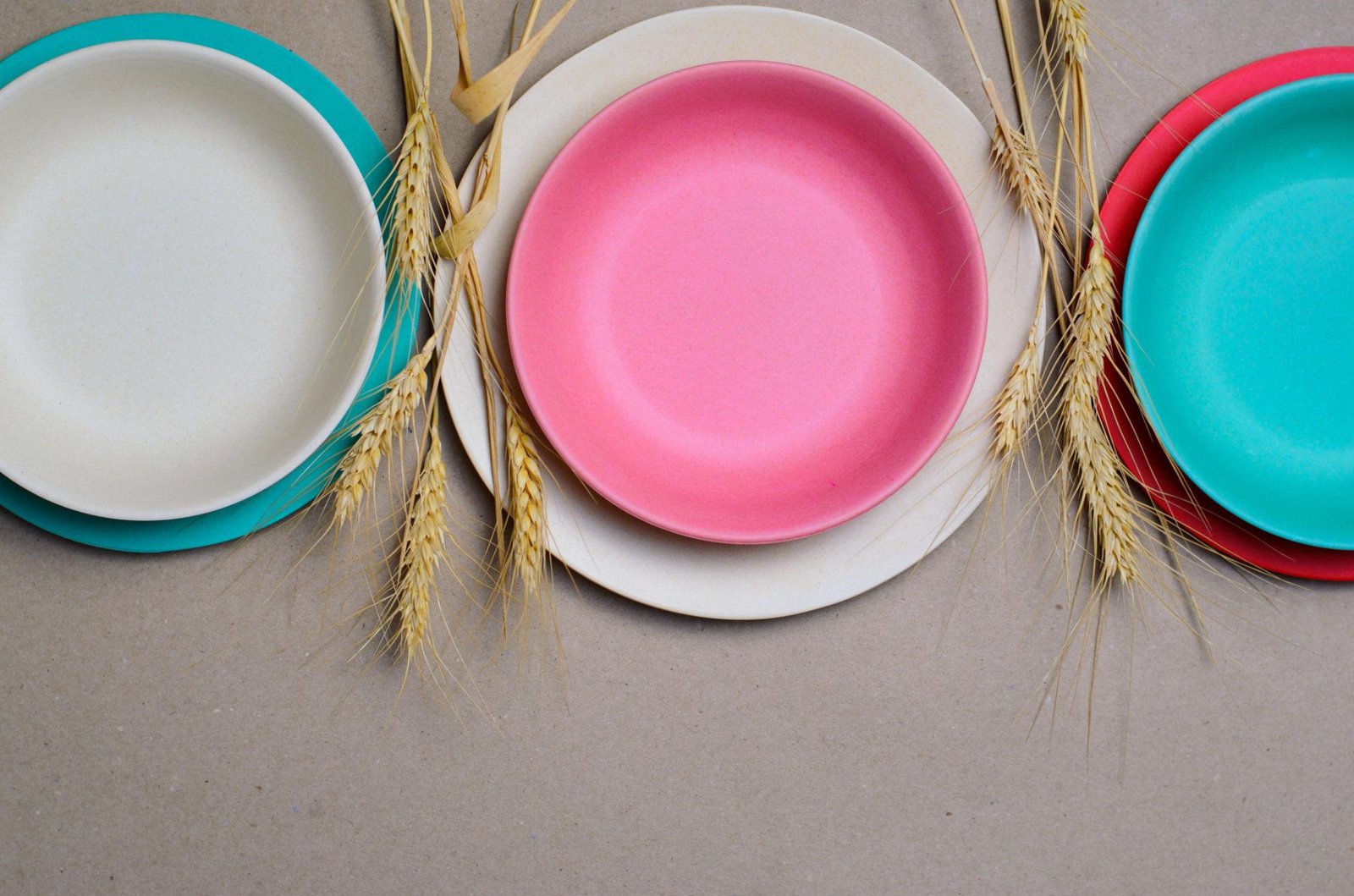
Wheat straw tableware is made from the leftover stalks of wheat plants after the grain has been harvested. Traditionally, these agricultural residues were often burned or discarded, creating environmental pollution and unnecessary waste.

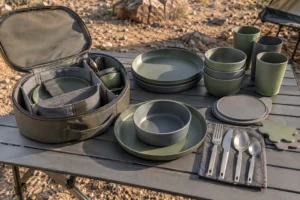
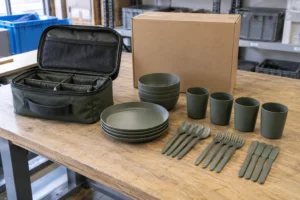
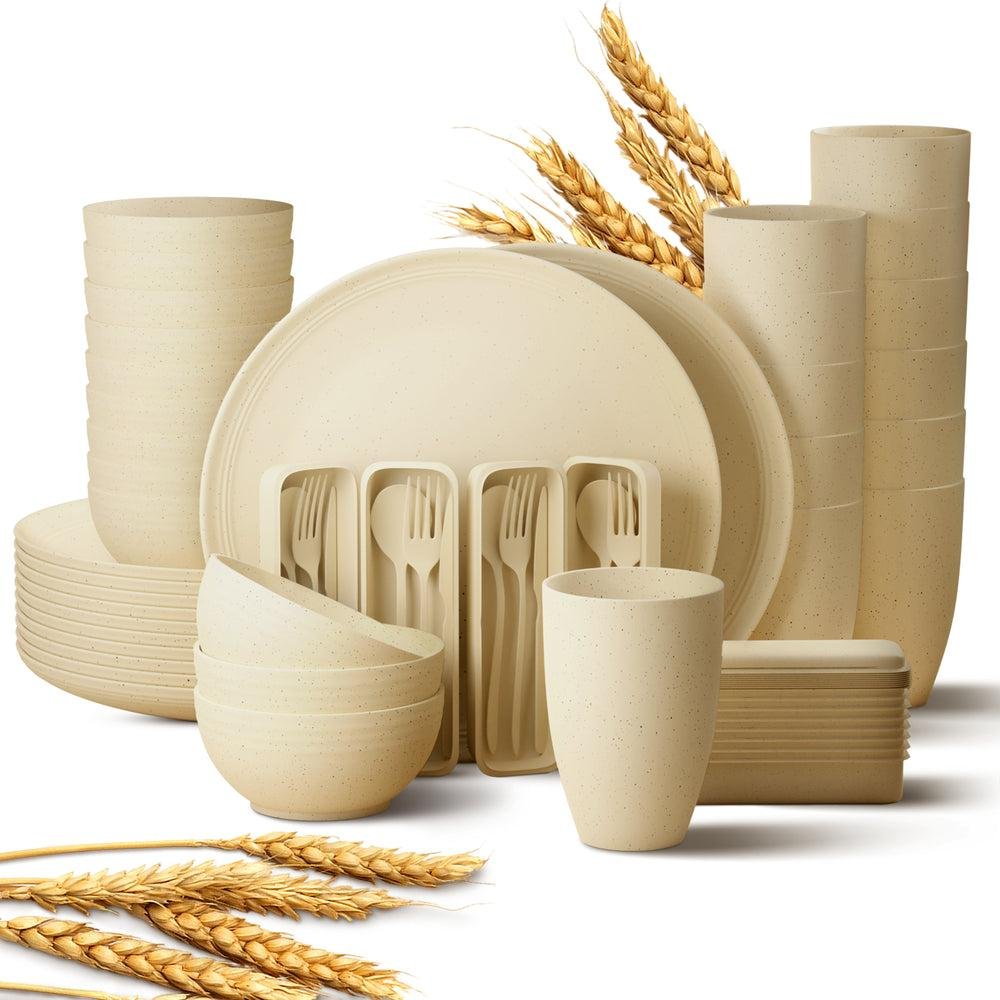
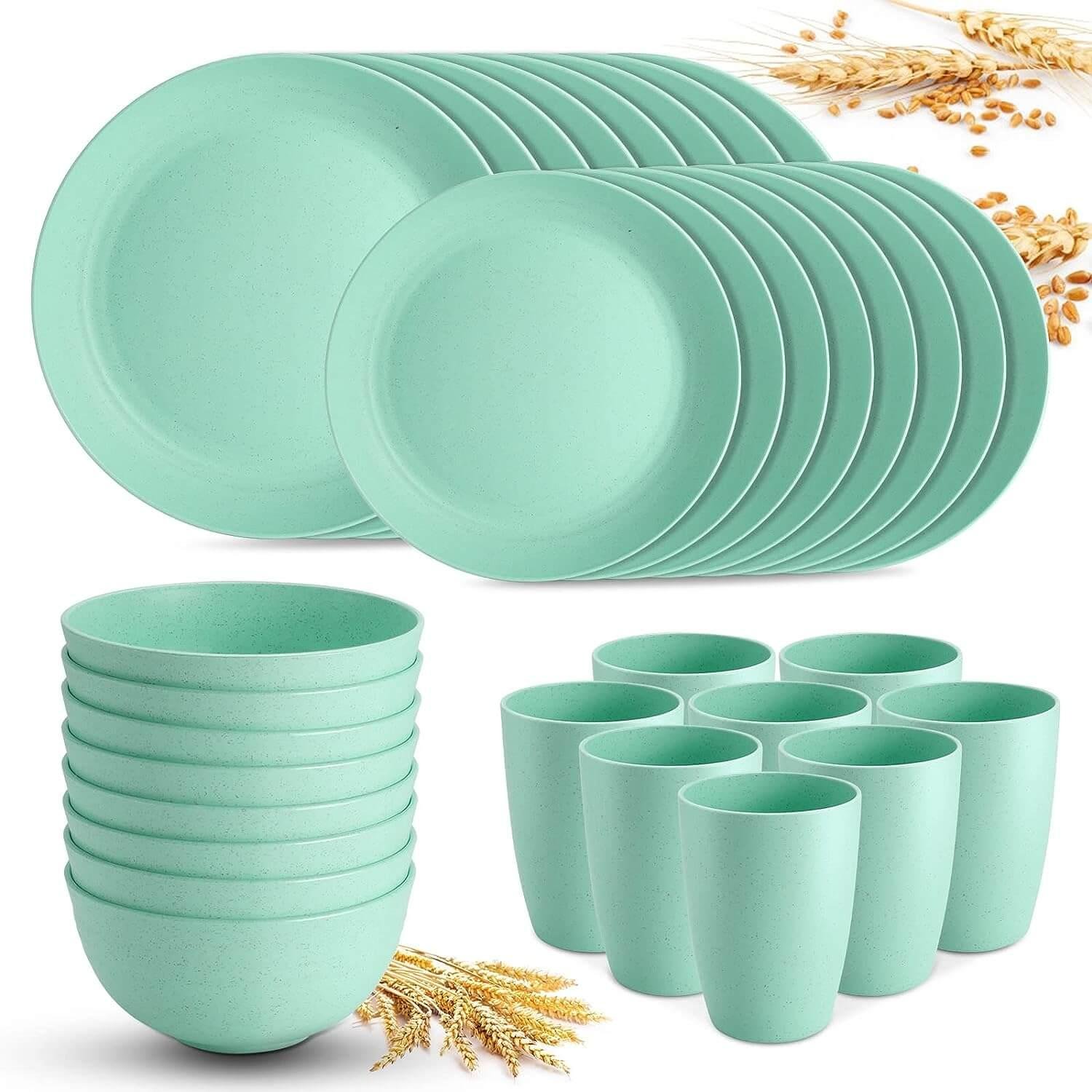
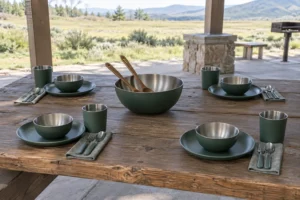
Today, manufacturers process wheat straw fibers into reusable products such as:

  • Plates
  • Bowls
  • Cups & mugs
  • Cutlery sets
  • Lunch boxes
  • Food storage containers

These products are lightweight, reusable, durable, and more sustainable compared to conventional disposable plastic products.

Step 1: Collecting Agricultural Waste

The lifecycle begins in wheat farms. After wheat grains are harvested for food production, large amounts of straw remain in the fields.

Instead of burning the straw — a practice that contributes to air pollution and carbon emissions — sustainable manufacturers collect and recycle the material for industrial applications.

This approach helps:

  • Reduce agricultural waste
  • Lower environmental pollution
  • Create additional value for farmers
  • Support circular economy practices

According to the United Nations Environment Programme, agricultural waste recycling plays an important role in reducing environmental impact and improving sustainable resource management.


Step 2: Processing Wheat Straw Fibers

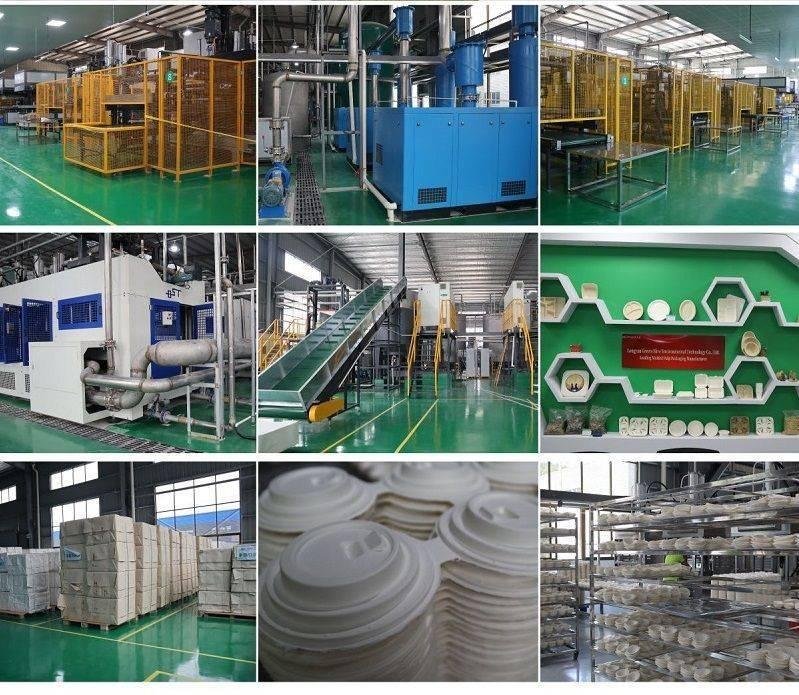
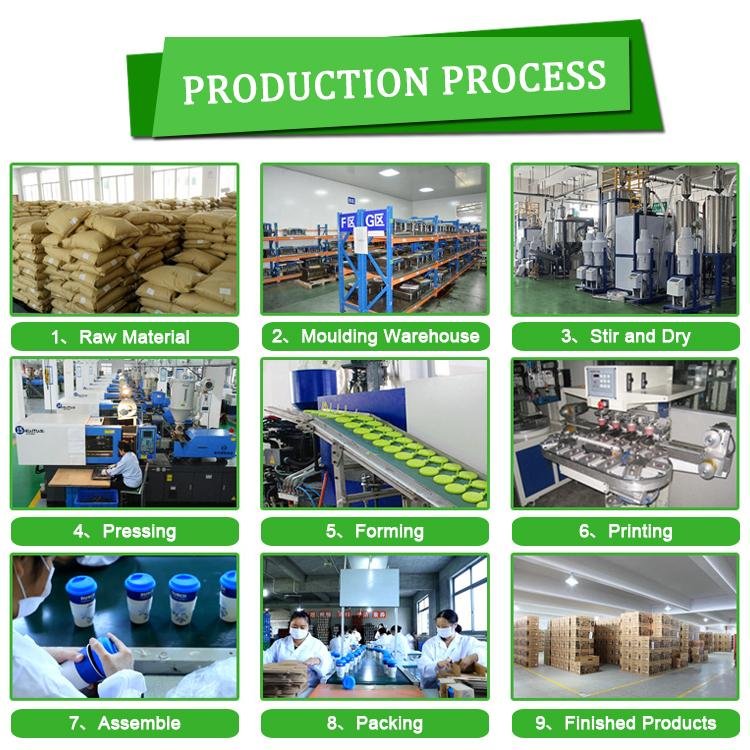
After collection, the wheat straw goes through several cleaning and processing stages.

The processing typically includes:

  1. Cleaning and sterilization
  2. Drying the raw material
  3. Crushing the straw into fine fibers
  4. Mixing fibers with food-grade binding materials
  5. High-temperature molding

Most high-quality wheat straw tableware manufacturers combine wheat straw fiber with food-grade polypropylene (PP) to improve durability and heat resistance while reducing the overall plastic content.

The final result is a reusable product that is:

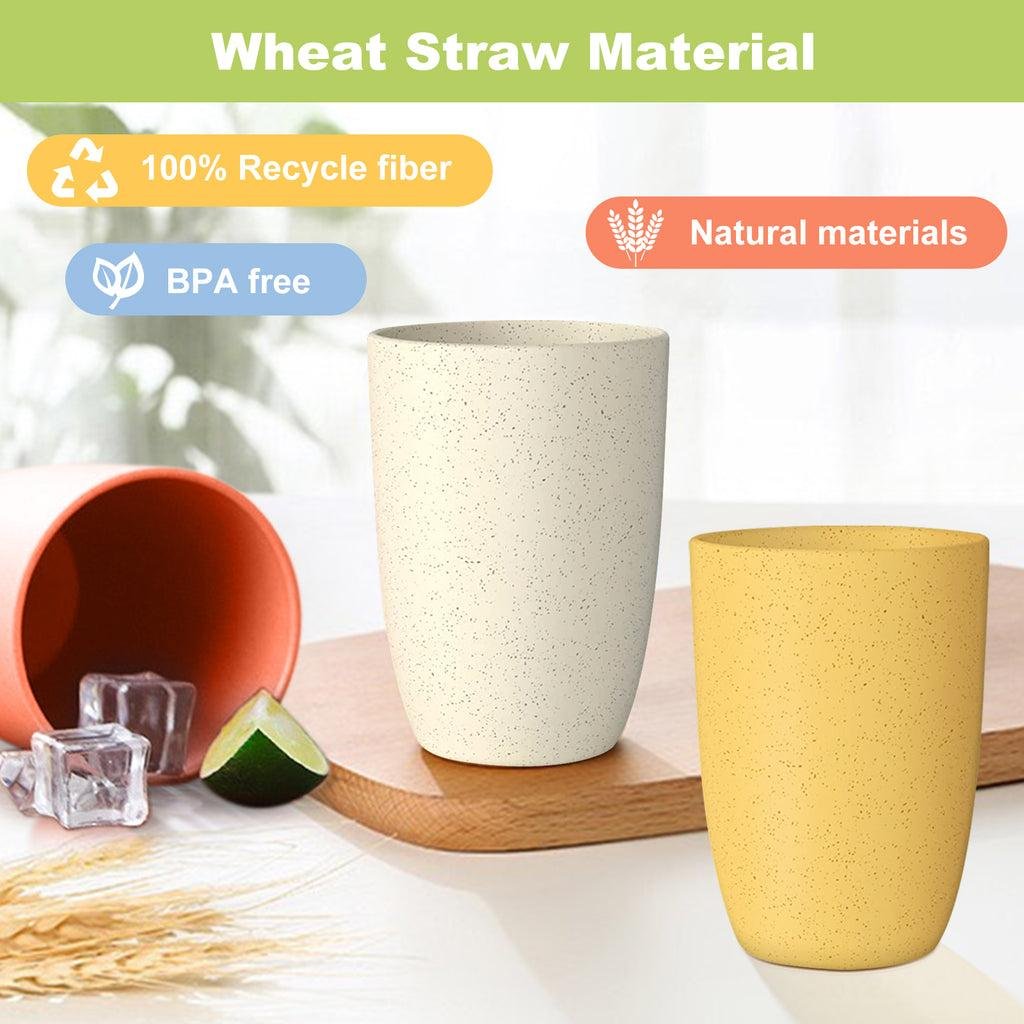
  • BPA-free
  • Lightweight
  • Durable
  • Odor-free
  • Suitable for daily use

For brands sourcing custom products, manufacturing quality is critical. You can also read our related guide on:
👉 How to Choose a Reliable Wheat Straw Dinnerware Set Supplier

Step 3: Product Design and Customization

Modern consumers expect more than just sustainability. They also care about aesthetics, functionality, and brand identity.

That’s why many manufacturers now offer custom wheat straw tableware solutions for wholesalers, retailers, and private label brands.

Common customization options include:

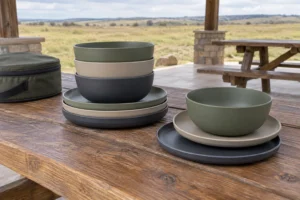
  • Custom colors
  • Logo printing
  • Packaging design
  • Product size customization
  • Mold development

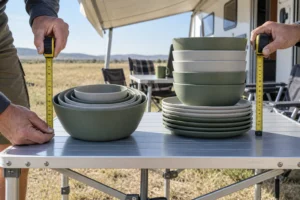
Minimalist designs and natural matte textures make wheat straw products highly attractive in modern kitchens, cafés, and eco-conscious retail stores.

If you are building your own eco-friendly brand, product customization can help improve brand recognition and customer loyalty.

Related reading:
👉 How to Create Your Own Eco-Friendly Tableware Brand


Step 4: Global Distribution and Consumer Use

Once production is complete, wheat straw tableware products are exported globally through:

  • Amazon sellers
  • Independent eCommerce websites
  • Wholesale distributors
  • Retail chains
  • Eco-friendly lifestyle stores

Consumers choose wheat straw products for several reasons:

Eco-Friendly Appeal

Many buyers want to reduce single-use plastic consumption and support sustainable alternatives.

Lightweight and Durable

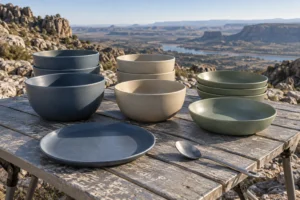
Wheat straw tableware is practical for families, outdoor activities, travel, and children’s use.

Modern Design

The soft natural appearance matches contemporary kitchen aesthetics.

Reusability

Unlike disposable tableware, wheat straw products are designed for repeated daily use.

The growing global demand for sustainable kitchen products has also been highlighted by organizations like World Wildlife Fund (WWF), which promotes reducing plastic waste and supporting sustainable consumer products.

Step 5: Reuse and Sustainability Impact

One of the biggest advantages of wheat straw tableware is its long product lifecycle.

High-quality reusable wheat straw products can last for years with proper use. Compared with disposable plastic products, they help reduce:

  • Plastic waste
  • Resource consumption
  • Carbon footprint
  • Environmental pollution

For eco-conscious brands, offering sustainable products is also becoming an important competitive advantage in international markets.

Consumers increasingly prefer brands that demonstrate environmental responsibility and sustainable manufacturing practices.


Are Wheat Straw Products Biodegradable?

This is one of the most common questions buyers ask.

The answer depends on the specific material composition.

Some wheat straw products are partially biodegradable, while others are designed primarily for long-term reuse by combining natural fibers with food-grade PP materials.

In most cases, reusable wheat straw tableware provides a better environmental balance than disposable plastic products because it significantly extends product lifespan and reduces waste generation.

When sourcing products, buyers should always verify:

  • FDA compliance
  • LFGB certification
  • BPA-free testing
  • Food contact safety standards

You can learn more about food-safe material standards from the U.S. Food & Drug Administration (FDA).


Why Wheat Straw Tableware Is the Future of Sustainable Kitchenware

The transformation of agricultural waste into premium reusable kitchenware represents an important shift toward sustainable manufacturing.

Wheat straw tableware combines:

  • Environmental responsibility
  • Modern product design
  • Practical functionality
  • Commercial scalability

As sustainability continues influencing global purchasing decisions, wheat straw products are expected to play an even bigger role in the future of eco-friendly consumer goods.

For wholesalers, importers, and private label brands, investing in sustainable tableware products is no longer just an option — it is becoming a long-term market opportunity.


Conclusion

The lifecycle of wheat straw tableware demonstrates how innovation can transform agricultural waste into valuable, attractive, and functional products for modern consumers.

From wheat farms to premium kitchens, every stage of the process supports a more sustainable and responsible manufacturing model.

As the demand for eco-friendly kitchenware continues growing worldwide, wheat straw tableware offers an excellent balance between sustainability, durability, and modern design — making it one of the most promising product categories in the reusable dining industry today.

OR LEAVE US A MASSAGE

We will contact you as soon as we see the information

YOU CAN CONTACT US

+8618559050813          sales@naikegroup.com