Description
Last Updated:
CONFIGURABLE OUTDOOR DINNERWARE CONCEPT
Spine-Rail Four-Person Camping Dinnerware Set
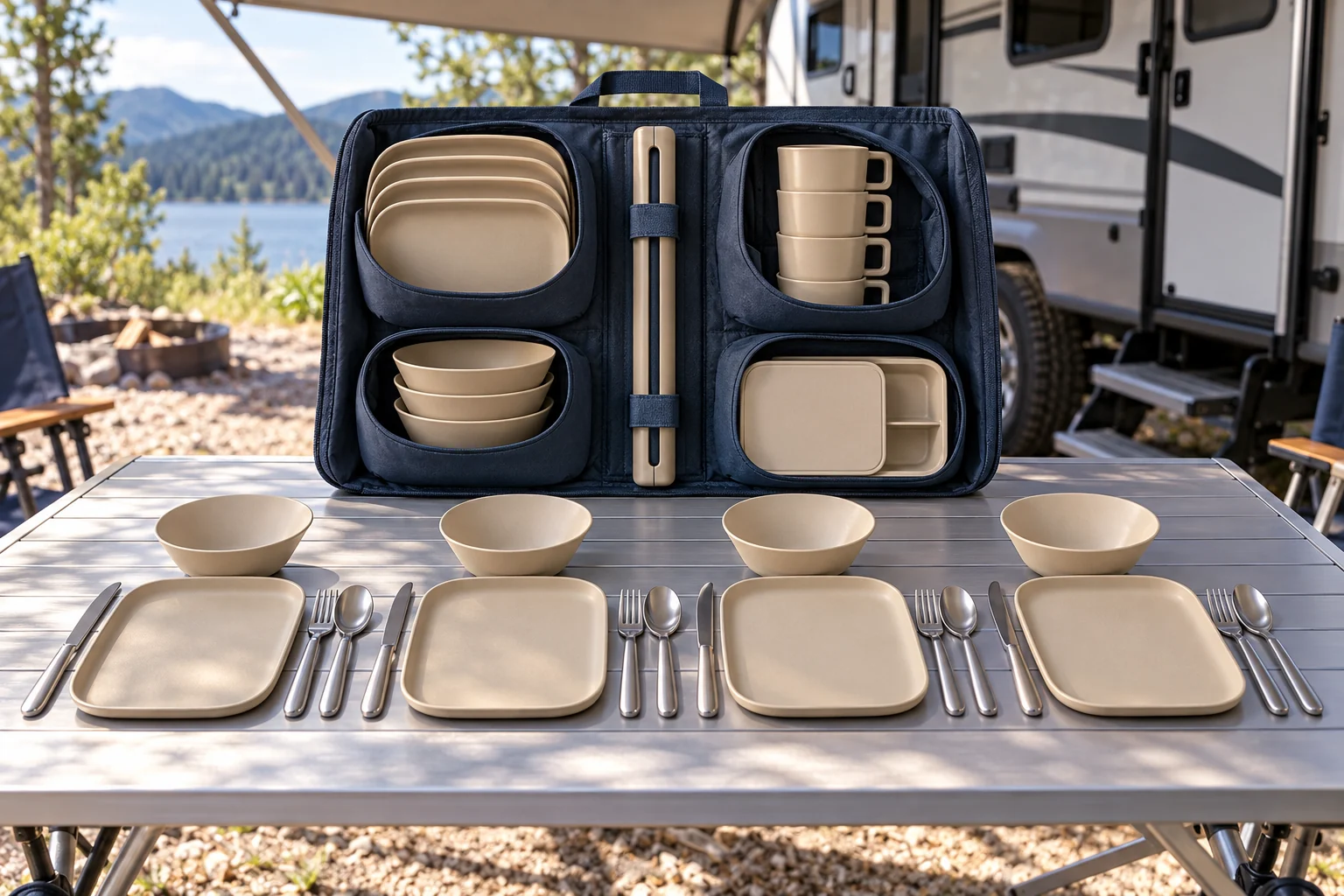
The Spine-Rail camping dinnerware set is a four-person development concept built around one removable central rail and four curved edge pods in a roll-open soft case. The reference configuration pairs rounded-rectangle plates, flared bowls, handled nesting cups, a slide-lid divided lunch box and complete knife-fork-spoon groups. It is not a verified production SKU.
- Long central rail separates and stabilizes the two side zones
- Four curved pods organize plates, bowls, cups and the lunch box
- Roll-open case provides a wide component removal path
- Materials, dimensions, interfaces and performance remain project decisions
PRODUCT PARAMETER
| Product concept | Spine-Rail four-person camping dinnerware set |
|---|---|
| Reference components | Roll-open soft case, removable central spine rail, four curved edge pods, four rounded-rectangle plates, four flared bowls, four handled nesting cups, slide-lid divided lunch box and four knife-fork-spoon groups |
| Material | To be confirmed for the project |
| Dimensions and weight | To be confirmed for the project |
| Color and finish | To be confirmed against approved samples |
| Logo and packaging | To be confirmed for the project |
| MOQ, price and lead time | To be confirmed for the project |
| Compatibility | Compatibility to be confirmed by project sample and drawing. |
REFERENCE CONFIGURATIONS
Spine-Rail Camping Dinnerware Set Configuration Review

| Configuration | Buyer choice | Evidence before approval |
|---|---|---|
| Two-setting compact | Two place settings and two active edge pods | Rail location, unused-space restraint and closure |
| Four-setting reference | Four place settings, four pods and shared lunch box | Loaded fit, removal sequence and case balance |
| Meal-container option | Shared or individual container arrangement | Lid path, pod envelope and cleaning access |
| Retail program | Counts, colors, branding, insert and outer packaging | Approved matrix, samples, artwork and pack-out |
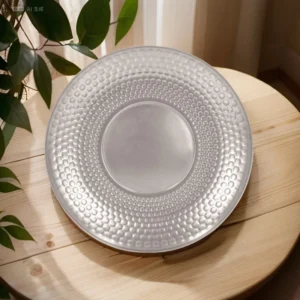
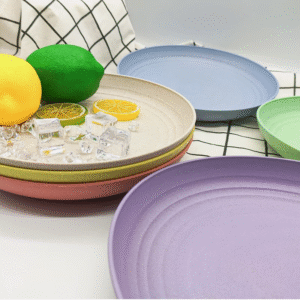
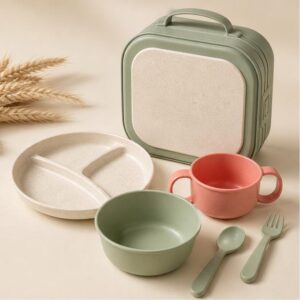
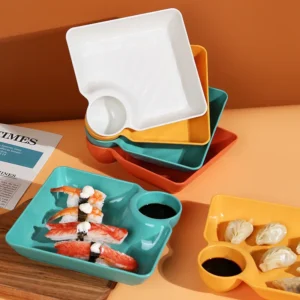
Images show an organization concept only. Release the configuration only after the component list, geometry, materials, construction and permitted wording are tied to drawings, representative samples and one signed decision record.
Use the central rail as the set datum
The Spine-Rail camping dinnerware set uses one removable longitudinal member between two component zones. Buyers should define rail stiffness, attachment, removal direction, edge protection, drainage and the clearances between the rail, pods and food-contact pieces. The concept image is not a claim for drop, impact, compression or long-term durability.
Organize components in four curved pods
Curved edge pods can separate plate, bowl, cup and container groups while the case opens flat. Review pod geometry with actual component envelopes, handle orientation, utensil-edge protection and the order used to remove and return each piece. The pod count is an organization reference, not proof that every buyer-selected component will fit.
Inspect Spine-Rail camping dinnerware set interfaces
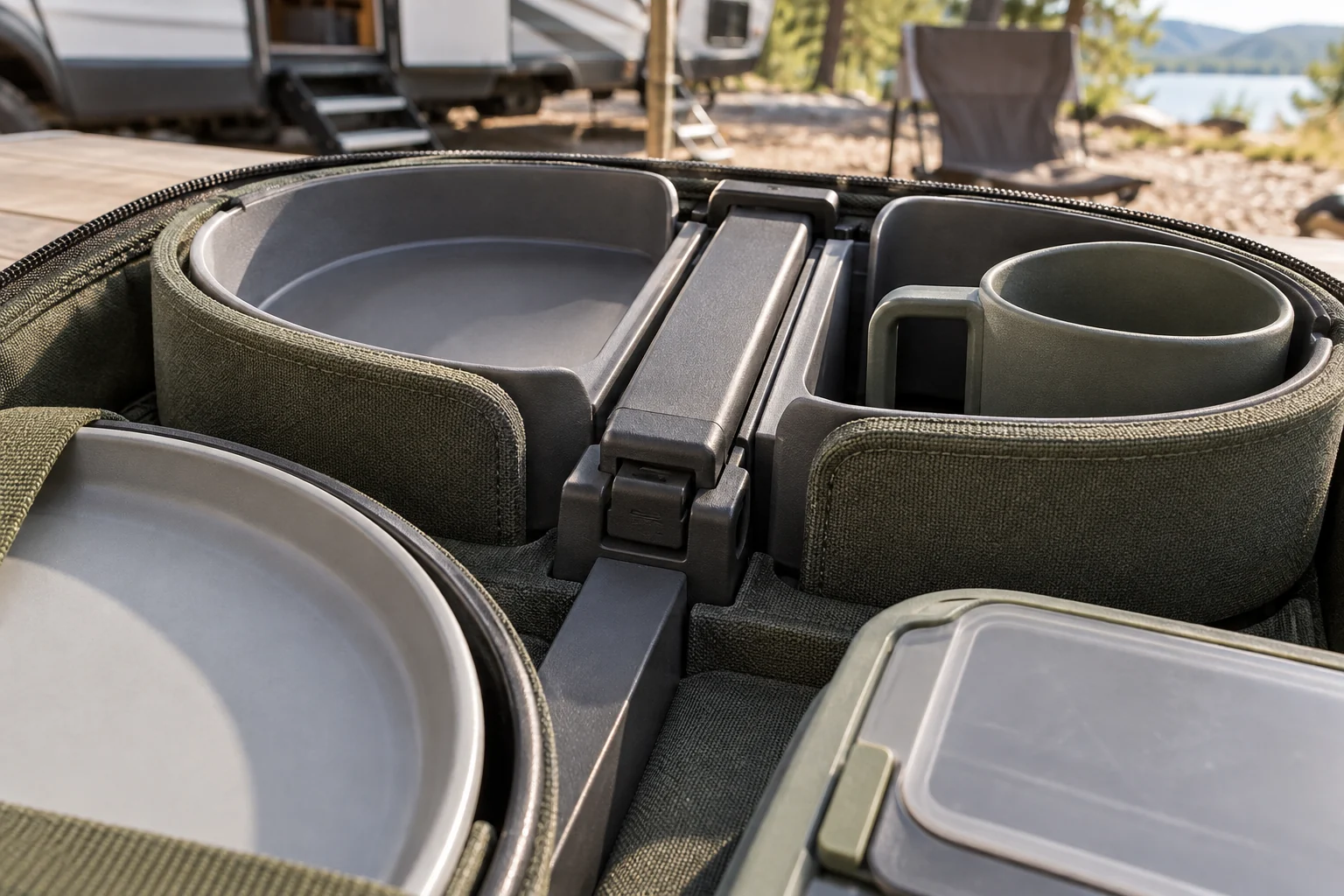
Control the rail-to-case connection, pod fasteners, clearances and contact surfaces through drawings and a loaded sample. Compatibility to be confirmed by project sample and drawing.
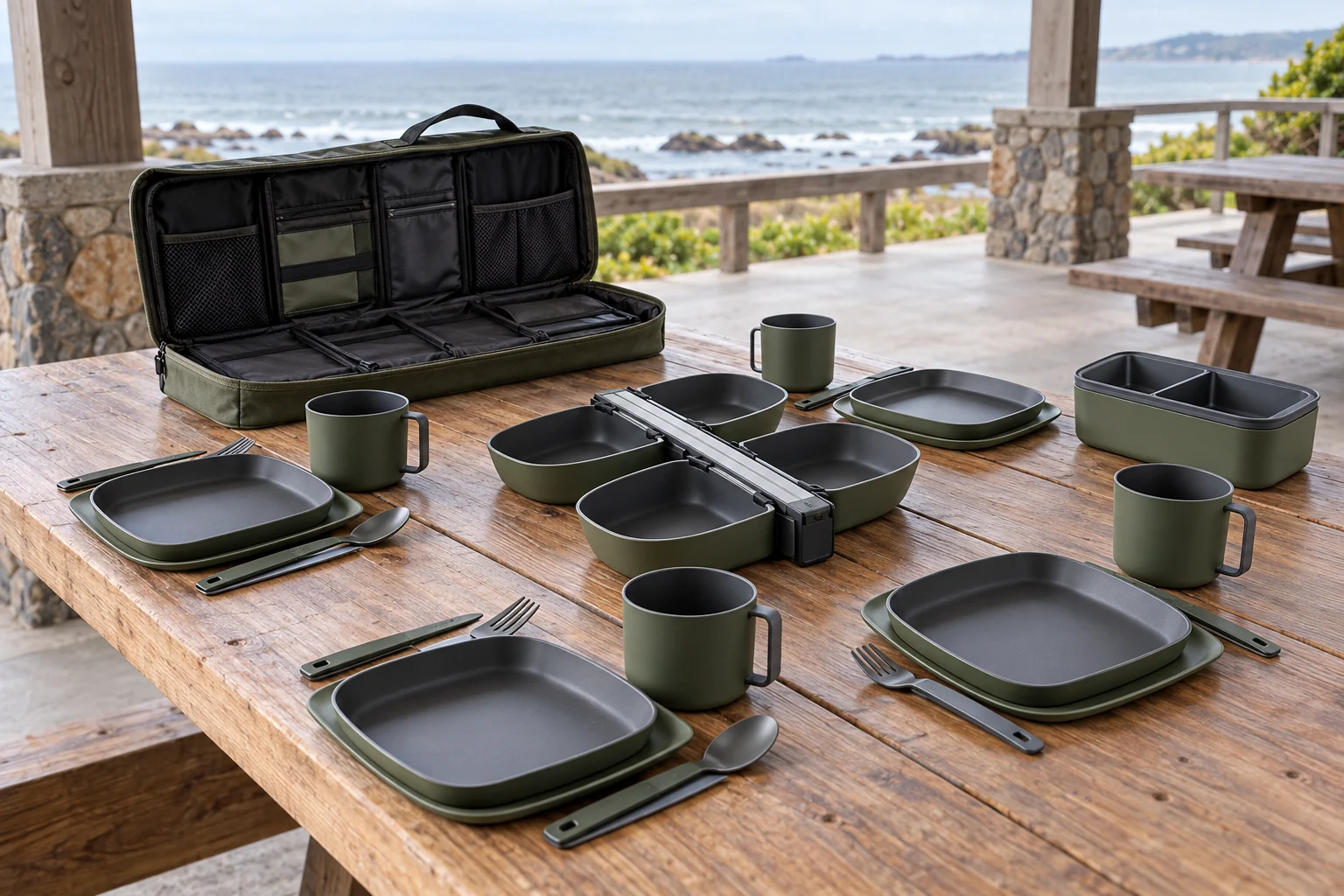
Application concept: the Spine-Rail camping dinnerware set arranged at a coastal picnic shelter. The image is not a verified customer order, factory output or production SKU.
Customization and connected procurement choices
Configure the Spine-Rail camping dinnerware set only after the component matrix, rail interfaces, pod envelopes and complete pack sequence are controlled.
| Control | Options to review | Dependency |
|---|---|---|
| Set composition | Two/four settings, shared pieces and lunch-box format | Pod volume, rail position and case envelope |
| Storage architecture | Rail length, pod shape, opening and fixing method | Component geometry, clearances and cleaning |
| Service pieces | Plate corners, bowl flare, cup handles and cutlery grip | Nesting, removal path and contact protection |
| Branding | Case color, component finish, logo and packaging | Approved material, process and artwork |
| New geometry | Revised rail, pod, case or component profile | Drawings, tolerances, samples and feasibility |
B2B development controls
- Freeze the component matrix before setting the rail and pod envelopes.
- Review the complete loaded case in the actual opening and carrying orientation.
- Protect food-contact surfaces from rail edges, fasteners and utensils.
- Check handled-cup clearance and stable nesting without forced removal.
- Define lunch-box lid storage and the return path after use.
- Approve color, logo and packaging only after material/process review.
- Keep dinnerware claims separate from cookware and direct-heat claims.
Material and compliance boundary
Concept images do not prove material identity, certification, migration performance, case strength, rail durability or market authorization. Build the evidence plan from the destination markets and the intended food types, contact duration, temperature exposure, cleaning route and decoration process. Keep every unknown field marked “To be confirmed for the project.”
For connected decisions, review the modular component guide, retention choice matrix and case-fit review. Primary-source context is available from the FDA overview, EU framework regulation and NIST traceability guidance.
Procurement FAQs
Is the central rail removable?
It is removable in the concept. Attachment, release, retention and repeated-use behavior require project confirmation.
Can the four pods be rearranged?
A revised arrangement can be evaluated, but pod fixing, rail clearance and the case envelope must be redrawn and sampled.
Does the lunch box prevent leakage?
No leakage claim is made. Lid, closure, orientation and verification method must be defined separately.
Can existing components be used?
Potential reuse can be reviewed against controlled envelopes and interfaces. Compatibility to be confirmed by project sample and drawing.
Are the palette and material choices locked?
No. Material, finish and color availability must be confirmed for the project and linked to the evidence scope.
What should an RFQ include?
Send user count, component matrix, case envelope, rail and pod priorities, target markets, food-use conditions, branding, packaging and evidence expectations.
Build a practical Spine-Rail camping dinnerware set
Share setting count, component references, case envelope, storage priorities, target markets, food-use conditions, logo and packaging requirements. Naike Dinner will review the request against verified capabilities and identify drawings, samples and written confirmations required before approval.
RELATED SOURCING PATHS
Compare Products and Plan Your Project
Review related product formats, then compare material, set configuration, logo, packaging, testing scope and order quantity with our B2B team.