Description
SCISSOR-LIFT FIELD CRATE CAMPING DINNERWARE SET REVIEW
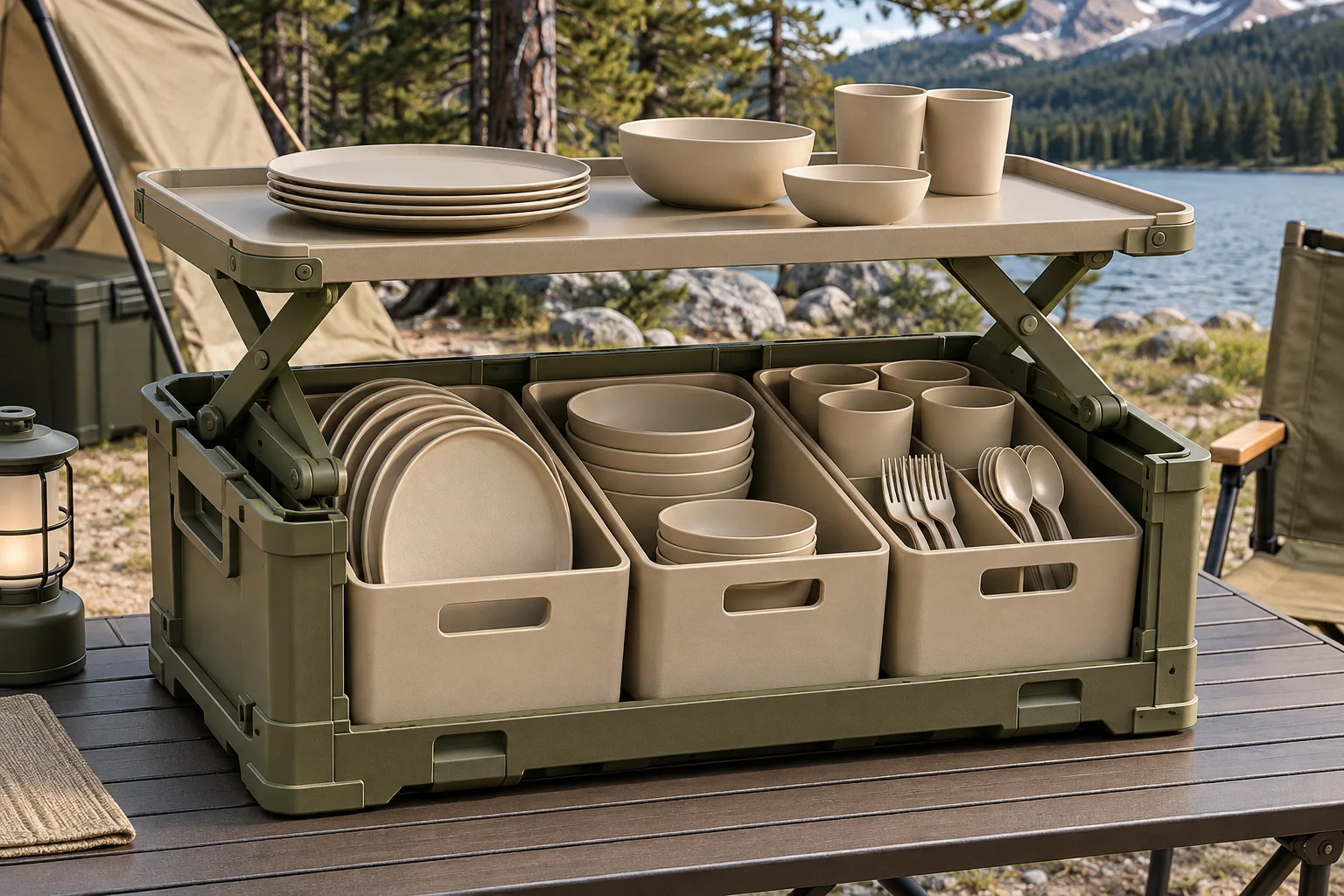
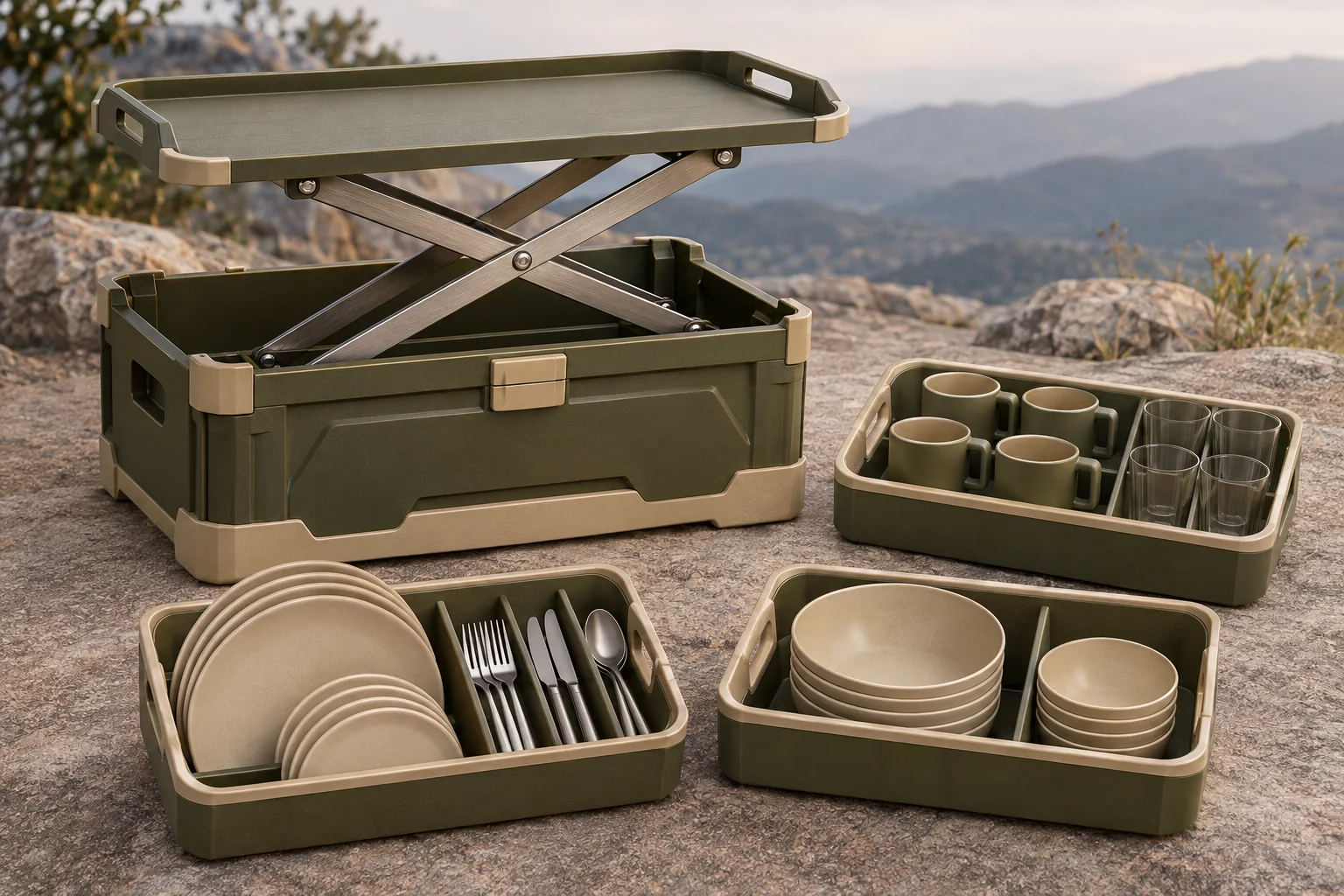
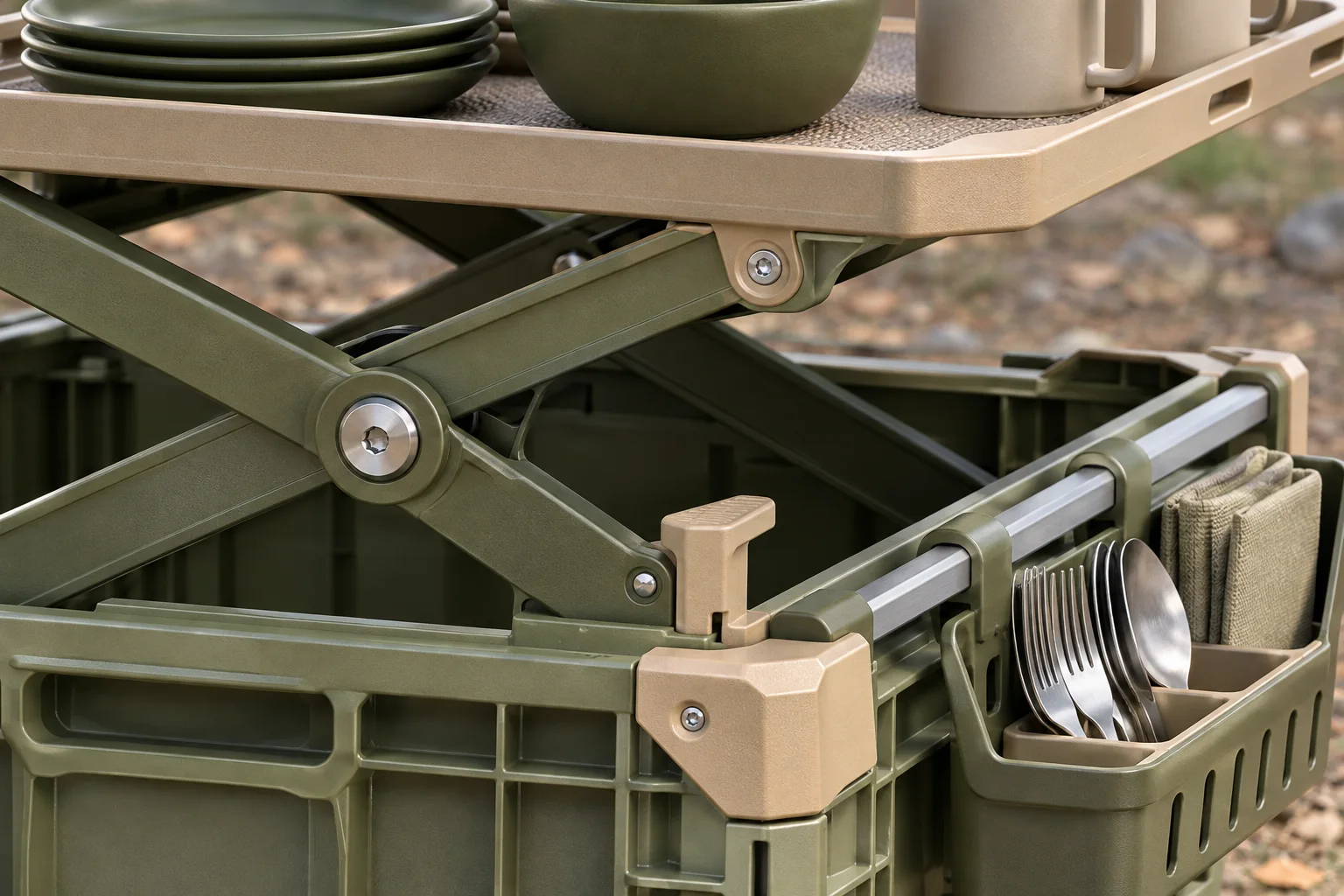
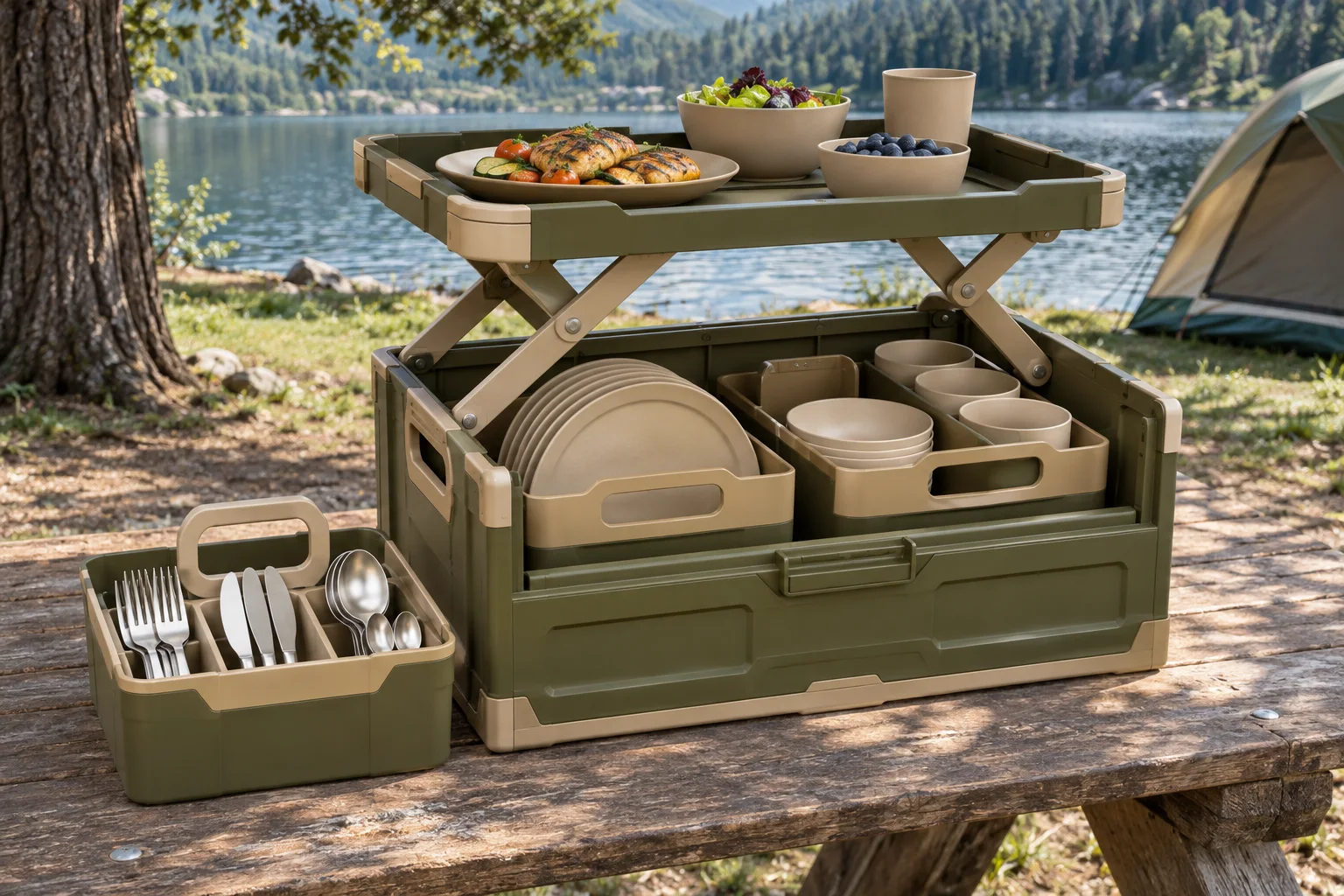
B2B ELEVATED-SERVICE CARRIER DEVELOPMENT CONCEPT
Scissor-Lift Field Crate Camping Dinnerware Set
This scissor lift camping dinnerware set concept stores three removable dinnerware caddies in a rectangular field crate while twin crossed arms raise the lid tray into an elevated serving surface. The architecture is a development direction, not an existing SKU. Final components, dimensions, materials, loads, pivots, locks, food-contact evidence, MOQ and lead time are To be confirmed for the project.
- Reference users
- Three to four people, To be confirmed for the project
- Architecture
- Rectangular field crate, twin scissor arms, raised tray and three removable caddies
- Reference content
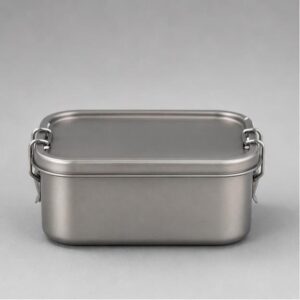
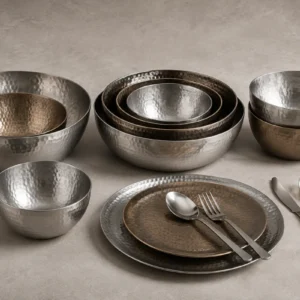
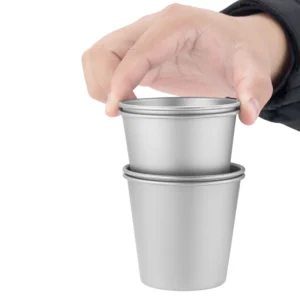
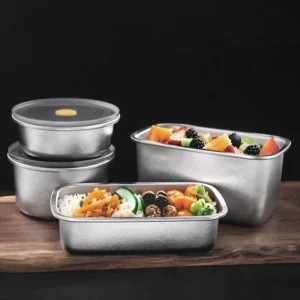
- Plates, bowls, cups, cutlery and optional lunch boxes
- Dimensions
- To be confirmed for the project
- Materials
- To be confirmed for the project
- Compatibility
- Compatibility to be confirmed by project sample and drawing.
PRODUCT PARAMETER
Scissor-Lift Camping Dinnerware Set Specification Record
| Field | Current value | Approval evidence |
|---|---|---|
| Architecture | One field crate, two crossed lift assemblies, one raised tray and three removable caddies; concept only | Released crate, arm, pivot, stop, tray, caddy and closure drawings |
| Reference user count | Three to four people, To be confirmed for the project | Signed BOM with component codes and quantities |
| Dinnerware configuration | Plates, bowls, cups, cutlery and optional lunch boxes | Approved component drawings and complete-set fit record |
| Closed carry envelope | To be confirmed for the project | Loaded drawing, units and tolerances |
| Raised tray height and footprint | To be confirmed for the project | Deployed drawing with surface and load conditions |
| Pivot, stop and tray load | To be confirmed for the project | Buyer-approved load, misuse boundary and operating cycle |
| Materials and colorants | To be confirmed for the project | Component-level material and destination evidence |
| Caddy and component compatibility | Compatibility to be confirmed by project sample and drawing. | Matched revisions and loaded fit record |
| Cleaning and drainage | To be confirmed for the project | Approved separation, access and drying review |
| Logo, packaging, MOQ and lead time | To be confirmed for the project | Artwork, pack-out and project quotation approval |
REFERENCE CONFIGURATIONS
Configure a Raised Tray Above Three Removable Dinnerware Caddies
The twin-scissor lift and elevated tray differ materially from the tripod-hub set, four-lunchbox carry-crate set and table-case set. Compare the wider camping dinnerware program before freezing a BOM.
Three removable caddies
Separate caddies can organize plates, bowls, cups and cutlery by function. Divider geometry and retention remain project controlled.
Twin scissor-lift assemblies
Two crossed-arm assemblies raise the upper tray. Pivot spacing, synchronization, stops and pinch-point controls require drawings and samples.
Elevated serving tray
The crate lid becomes a raised surface. Tray interface, level tolerance, load distribution and edge containment require buyer approval.
Closed field crate
The caddies and folded arms return inside the rectangular crate. Closure, handle, rattle control and carton fit remain project variables.
DEVELOPMENT CONTROL
Release the Scissor-Lift Field Crate in Six Controlled Steps
- 01
Freeze the BOM
Assign codes and revisions to the crate, two arm assemblies, pivots, stops, tray, three caddies, closures and dinnerware.
- 02
Control lift interfaces
Approve pivot centers, arm clearance, tray mounts, end stops, caddy envelope and the closed carry stack.
- 03
Review pinch points
Define the operating sequence, guarded zones, finger clearance, labels and misuse boundary before evaluation.
- 04
Review stability and load
Define support surface, tray height, load distribution, side force and acceptance criteria.
- 05
Review cleaning
Confirm caddy removal, food-contact separation, drainage, drying and access around pivots and rails.
- 06
Release evidence
Connect materials, intended use, food-contact scope, artwork and packaging to one controlled revision.
MATERIAL AND COMPLIANCE BOUNDARY
Separate Lift Hardware From Food-Contact Components
The crate, arms, pivots, stops, tray supports, rails, closures and handle need structural material, edge, pinch-point, cleaning and use-condition review. Plates, bowls, cups, utensils and lunch boxes require exact material, colorant, intended food, temperature and contact-duration evidence.
Where relevant, review U.S. plastic food-contact conditions against 21 CFR 177.1520 and EU destination scope against Regulation (EC) No 1935/2004. GS1 General Specifications may inform identification if selected by the buyer. No certification or performance is claimed.
PROCUREMENT FAQ
Questions About the Scissor-Lift Camping Dinnerware Set
Are the dimensions final?
No. Crate, arms, tray, caddy, dinnerware and carton dimensions are To be confirmed for the project.
Will every component fit the caddies?
Compatibility to be confirmed by project sample and drawing.
Can the raised tray carry serving loads?
No load performance is claimed. Tray height, load distribution, side force, stop design and acceptance criteria require buyer approval.
Are the scissor arms safe to operate?
Operating sequence, pinch-point controls, clearances, stops and misuse boundaries are To be confirmed for the project.
Can buyers customize color, logo and packaging?
These are project variables subject to confirmed construction, artwork method, MOQ and lead time.
Is this an existing SKU?
No. It is an AI-generated development concept; tooling, capability and performance remain unverified.
CONTROL THE PIVOTS, STOPS, TRAY LOAD AND CADDY INTERFACES BEFORE QUOTATION
Request a Scissor-Lift Field Crate Review
Send the component bill, target closed envelope and raised height, surface and load conditions, operating sequence, intended use, colors, artwork, packaging and destination evidence scope.
RELATED SOURCING PATHS
Compare Products and Plan Your Project
Review related product formats, then compare material, set configuration, logo, packaging, testing scope and order quantity with our B2B team.