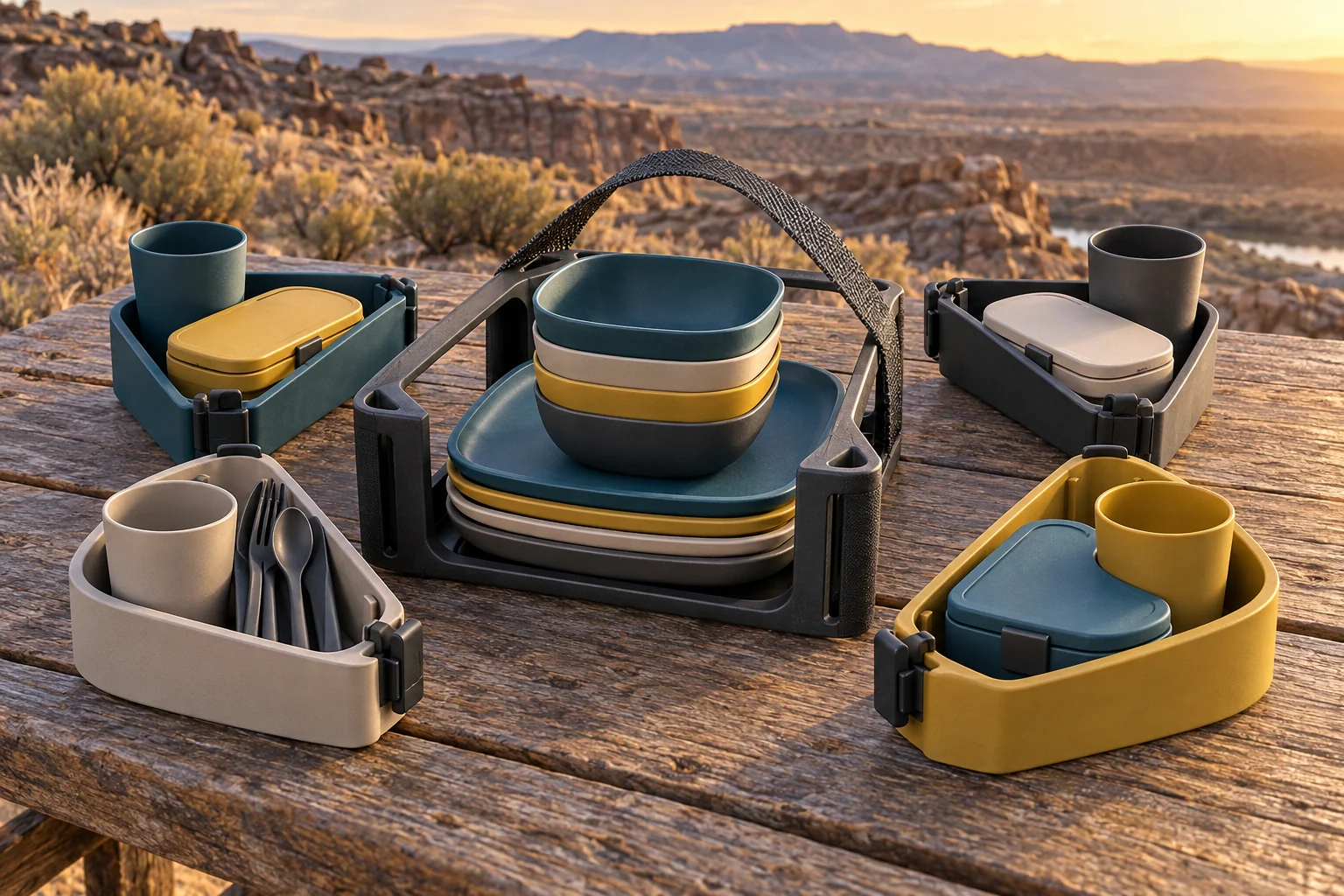
Description
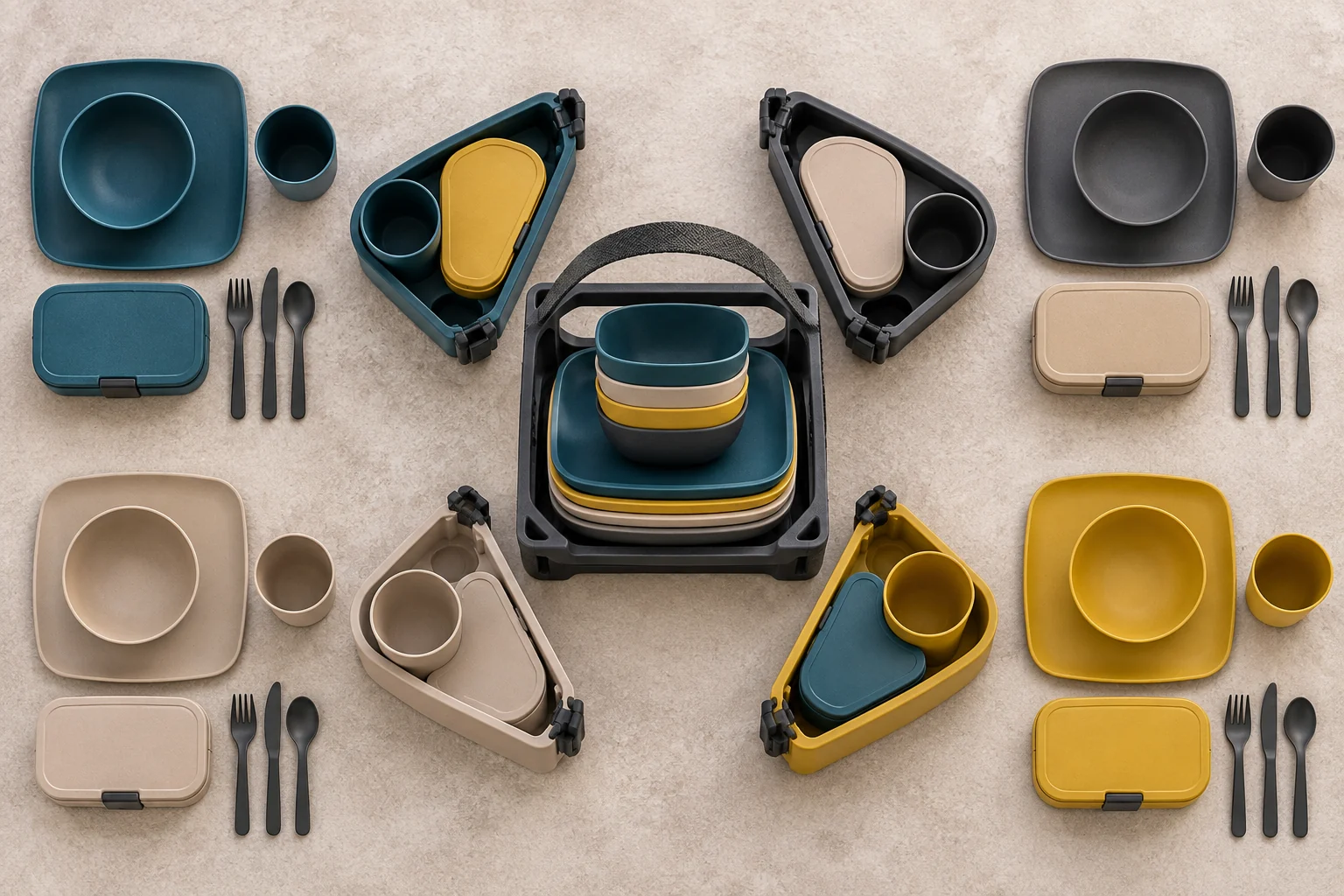
CONFIGURABLE GROUP SET CONCEPT
Custom Corner-Pod Camping Dinnerware Set
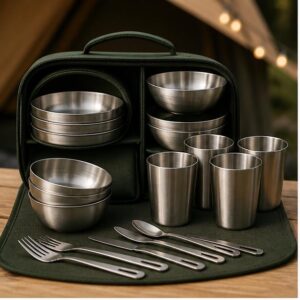
The corner-pod camping dinnerware set organizes a central plate-and-bowl stack around four removable place-setting trays. Each pod can be carried to one user, while the shared frame keeps the group configuration together for transport and count review.
This page presents a design and application concept, not a claim that the illustrated item is an existing stock SKU. Materials, dimensions, closures, nesting, evidence and manufacturing feasibility are confirmed through drawings and project samples.
Send your configuration briefPRODUCT PARAMETER
| Product concept | Central dinnerware carrier with four removable corner pods |
|---|---|
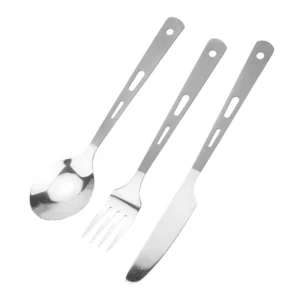
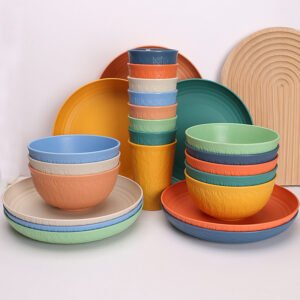
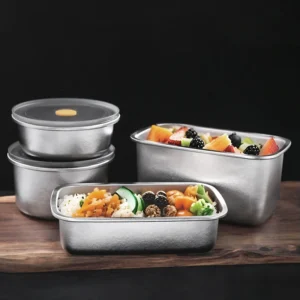
| Reference component roles | Plates, bowls, cups, lunch boxes, forks, knives and spoons; final quantities follow the approved component matrix |
| Material | To be confirmed for the project |
| Dimensions and weight | To be confirmed for the project |
| Color and finish | To be confirmed for the project |
| Logo | Artwork location and method to be confirmed after surface and durability review |
| Packaging | To be confirmed for the project |
| MOQ, price and lead time | To be confirmed for the project |
| Target markets | Europe, North America, Australia and comparable B2B channels, subject to project-specific evidence review |
REFERENCE CONFIGURATIONS
Four individual pods
One removable tray per user can carry a cup, lunch box and eating utensils while plates and bowls remain in the central stack.
Two shared service pods
Two corner units may be allocated to shared utensils or accessories when the buyer prefers fewer personal components.
Mixed channel assortment
Pod contents can be reviewed for family retail, vehicle camping, rental or outdoor catering. Compatibility to be confirmed by project sample and drawing.
The images are conceptual application illustrations. They do not document a factory, laboratory, customer order or certified production item.
A modular architecture for group distribution
Conventional nesting places every component in one vertical stack. This concept separates transport from serving: the central frame carries the shared dinnerware, and corner pods distribute selected components around the table. That distinction can help a buyer define who receives each item and how the set is counted after use.
The architecture is deliberately different from drawer, roll, wing, bridge, caddy and lift-out tray formats already explored. Its defining feature is a central square carrier with four detachable triangular modules. The connection geometry, load capacity and locking method remain project questions, not verified performance claims.
What the corner-pod format changes
The corner-pod camping dinnerware set gives procurement teams a visible boundary between shared dinnerware and assigned place-setting components. That boundary can support counting, table distribution and configuration discussions, but only when the approved matrix and sample show exactly what belongs in every module.
For retail programs, the corner-pod camping dinnerware set can be reviewed as one coordinated assortment rather than several unrelated containers. For rental or group channels, the same architecture may support a repeatable return sequence. Neither benefit should be claimed until users have tested the project sample.
Component pairing starts with a controlled matrix
Buyers should specify the set by user role and component function. Record every plate, bowl, cup, lunch box and utensil, then assign it to the central stack or a pod. Do not use a piece-count headline until the individual quantities reconcile with drawings, packaging and product copy.
A useful starting point is the camping dinnerware component matrix. It lets teams distinguish place-setting items from shared pieces and accessories before discussing colours, artwork or packaging.
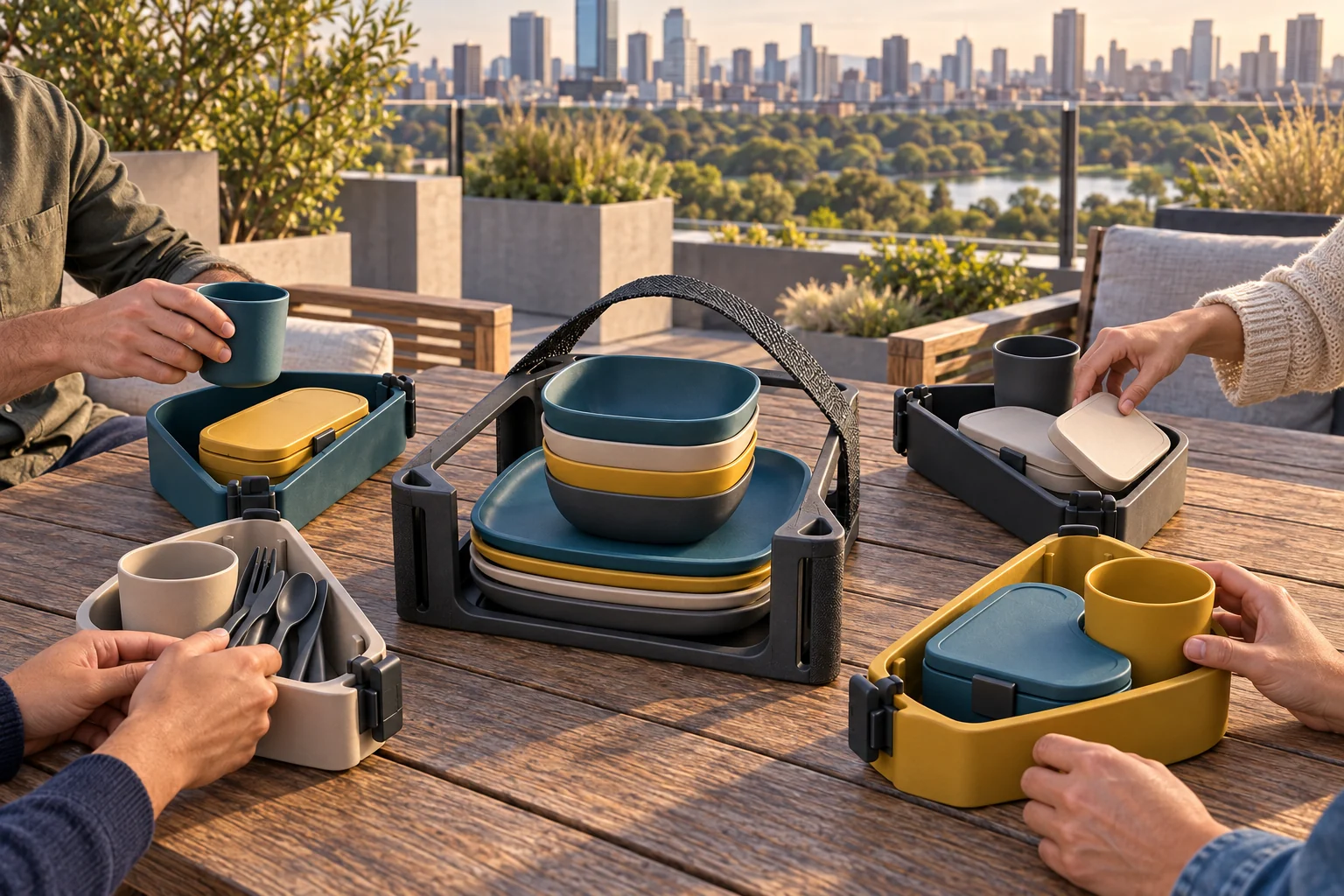
Conceptual outdoor application: removable pods bring selected components to each place while the central carrier remains shared.
Connection and repacking review
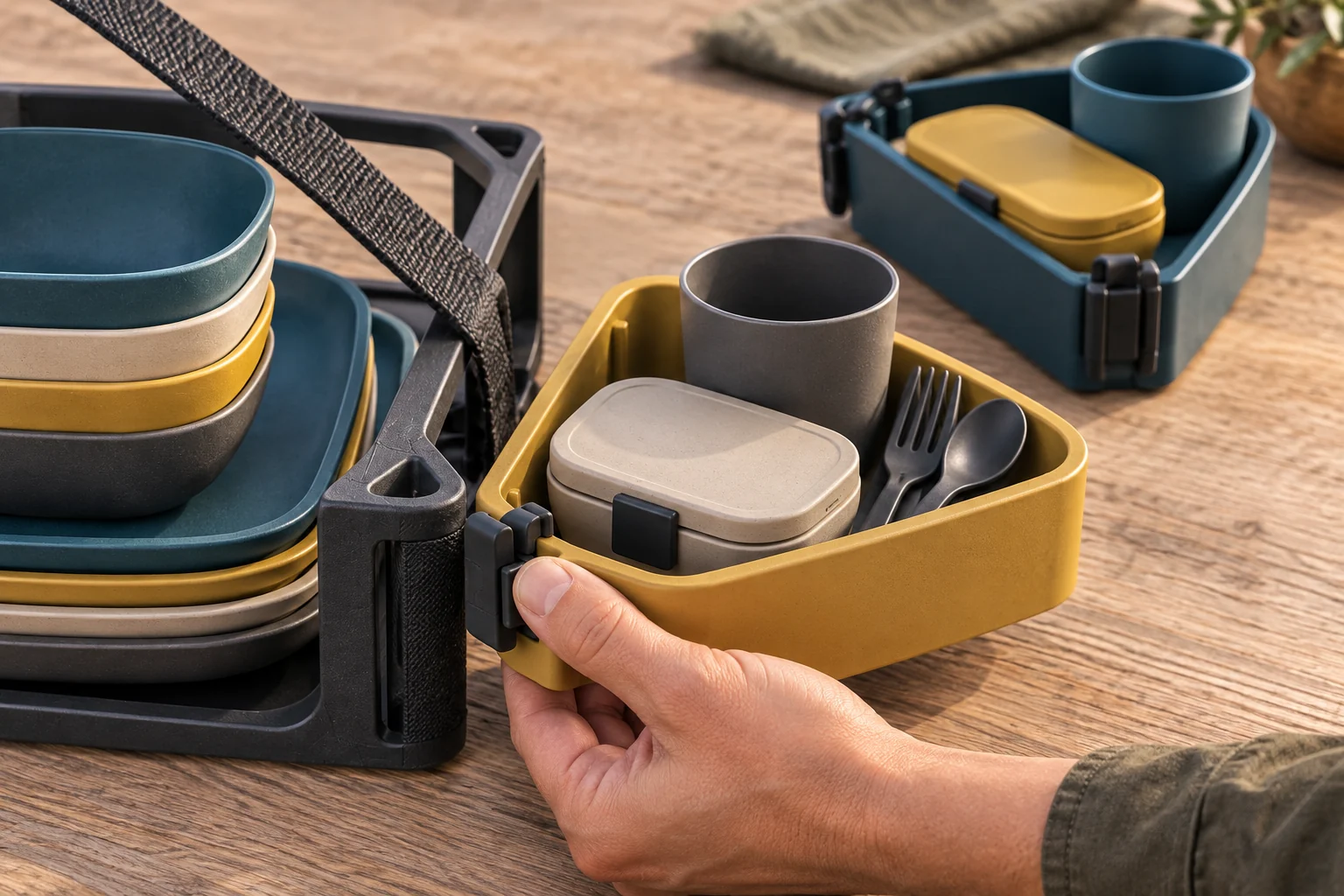
The connection between each pod and the carrier is a design-control point. The buyer should define whether the module slides, clips or locks, what indicates correct engagement and how the interface is cleaned. A connector should not be approved from a rendered image.
During sample review, load every pod with its intended components and repeat removal, table placement and return. Check for pinching, unintended release, trapped debris and interference with the carrying strap. Record observations against the sample revision.
Procurement specification block
Freeze the envelope
Confirm the maximum closed length, width and height of the loaded set using the method in the pack-volume guide.
Control movement
Define contact points and restraint features, then use the rattle-control checklist on the final loaded sample.
Review nesting
Compare the central stack with the principles in nesting versus stacking before approving rim and foot geometry.
Approve artwork last
Place logos only after surfaces, orientation and cleaning expectations are fixed. Decorative approval should not hide unresolved assembly risks.
Buyer control checklist
| Control | Buyer question | Approval evidence |
|---|---|---|
| Component count | Does each pod and the central stack match the signed matrix? | Dated bill of components and loaded sample |
| Connection | Can the user detect incomplete engagement? | Drawing, use sequence and repeated sample review |
| Pack fit | Does the complete set close without forced contact? | Loaded envelope and closure check |
| Cleaning | Can the interface, pod corners and strap area dry fully? | Cleaning instructions and post-wash inspection |
| Customization | Which checks repeat after colour, logo or component changes? | Revision-controlled approval plan |
Materials and compliance boundary
Material selection must follow the intended food, temperature, cleaning, age group and target market. The European Commission food-contact materials overview, the FDA Food Code and Food Standards Australia New Zealand packaging guidance can help buyers frame responsibilities, but they do not certify this concept.
Request declarations and test evidence scoped to the final material, colour, food-contact use and market. Do not infer compliance from an image, generic resin name or previous project. The corner-pod camping dinnerware set is dinnerware and storage; no direct-flame, burner or cookware suitability is claimed.
Customization and new-tooling review
Customization can include component selection, colour system, surface finish, artwork, packaging and the arrangement of pods. New geometry may require engineering and tooling evaluation. Feasibility, cost, MOQ and schedule must be confirmed after drawings and requirements are reviewed.
When an existing component is proposed, verify its rim, foot, handle and overall envelope against the central carrier. When a new component is proposed, define the reason for the change and the tests affected. Compatibility to be confirmed by project sample and drawing.
Sample approval sequence
Approve the corner-pod camping dinnerware set in stages: freeze component roles, confirm the carrier and pod envelope, review connections, validate cleaning access, then apply artwork and packaging. A change at any earlier stage should reopen affected checks instead of being treated as a cosmetic revision.
The final corner-pod camping dinnerware set record should include loaded and empty photographs, drawings, material declarations, artwork files and the exact sample revision. This provides an auditable reference for quotation comparison and later production inspection.
Procurement FAQ
Is the illustrated corner-pod camping dinnerware set available from stock?
This page presents a configurable concept. Availability, final construction and every commercial term are To be confirmed for the project.
Can buyers change the number of pods?
A different module count can be evaluated, but it changes the carrier geometry, balance and packing sequence. Compatibility to be confirmed by project sample and drawing.
Can each pod use a different colour?
A colour-coding proposal can be reviewed after materials, colour targets and evidence requirements are defined. Colour matching and durability are project-specific.
Can the set include lunch boxes and full cutlery?
Yes as a configuration request, subject to component drawings, occupied envelope and sample fit. The final matrix should list every item and quantity.
What information is needed for a quotation?
Send user count, component matrix, target dimensions, preferred materials, markets, colours, artwork, packaging, evidence needs and sample approval plan. MOQ, price and lead time are then confirmed for that scope.
Develop your corner-pod configuration
Share the place-setting matrix, central-stack requirement, pod roles, carrying method, market, artwork and packaging objective. Naike Dinner can review the brief against verified company records and project samples without presenting unconfirmed specifications as facts.
Request a component and drawing review
For a written comparison with another architecture, identify the commercial problem you want to solve and send the complete project brief.
RELATED SOURCING PATHS
Compare Products and Plan Your Project
Review related product formats, then compare material, set configuration, logo, packaging, testing scope and order quantity with our B2B team.