

How to Reduce Your Wheat Straw Tableware Wholesale Costs by 20%: A Strategic Sourcing Guide
In the competitive global market, maximizing profit margins is the top priority for every B2B buyer. Whether you are an importer, a distributor, or a corporate brand owner, the ability to reduce wheat straw tableware wholesale costs without sacrificing product quality is a game-changer.
As a specialized manufacturer, Naike Dinner has helped hundreds of clients optimize their procurement. In this guide, we share five actionable strategies to help you reduce wheat straw tableware wholesale costs by 20% or more through smarter sourcing and logistics.
1. Optimize Packaging to Reduce Shipping Volume
One of the most effective ways to reduce wheat straw tableware wholesale costs is to stop paying for “shipped air.” Logistics can account for 25-30% of your total landed cost.
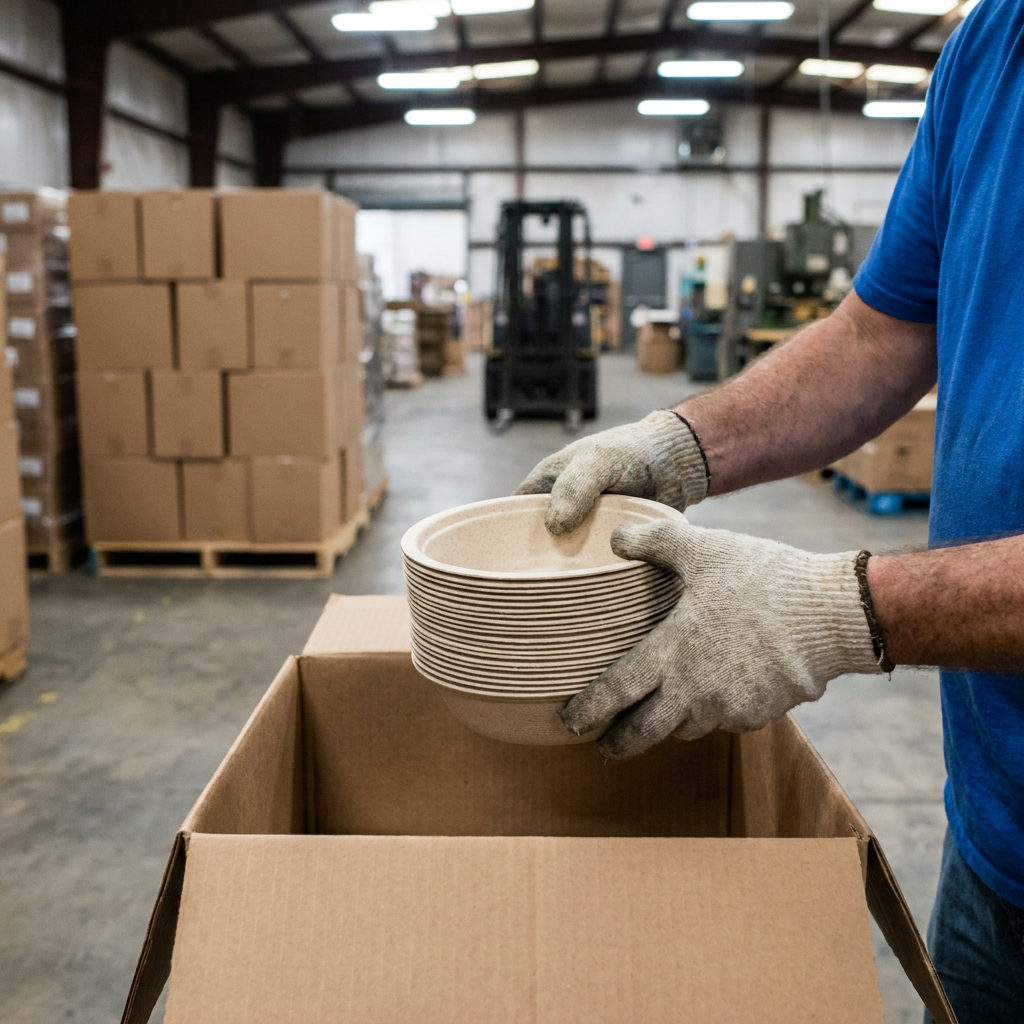
- Nestable Design: Our wheat straw bowls and plates are engineered to nest tightly. This high-density stacking can reduce carton volume by up to 15%.
- Bulk Packaging vs. Retail Boxes: For large wholesale orders, switching from individual color boxes to bulk egg-crate packaging can significantly increase the number of units per container, effectively lowering the cost per unit.
2. Leverage Existing Molds for Custom OEM Projects
Developing a custom mold can cost thousands of dollars, which is a major barrier when trying to reduce wheat straw tableware wholesale costs.
- Modify, Don’t Re-Invent: Instead of a completely new shape, use Naike Dinner’s existing mold library (over 1,000 sets). You can achieve a unique brand look through custom Pantone colors and laser engraving, avoiding the $3,000+ tooling fee.
- Scale for Rebates: Ask us about our mold-cost rebate program for long-term partners.
3. Direct Factory Sourcing to Eliminate Middleman Fees
To truly reduce wheat straw tableware wholesale costs, you must identify if you are buying from a factory or a trading company. Middlemen typically add a 10-15% markup.
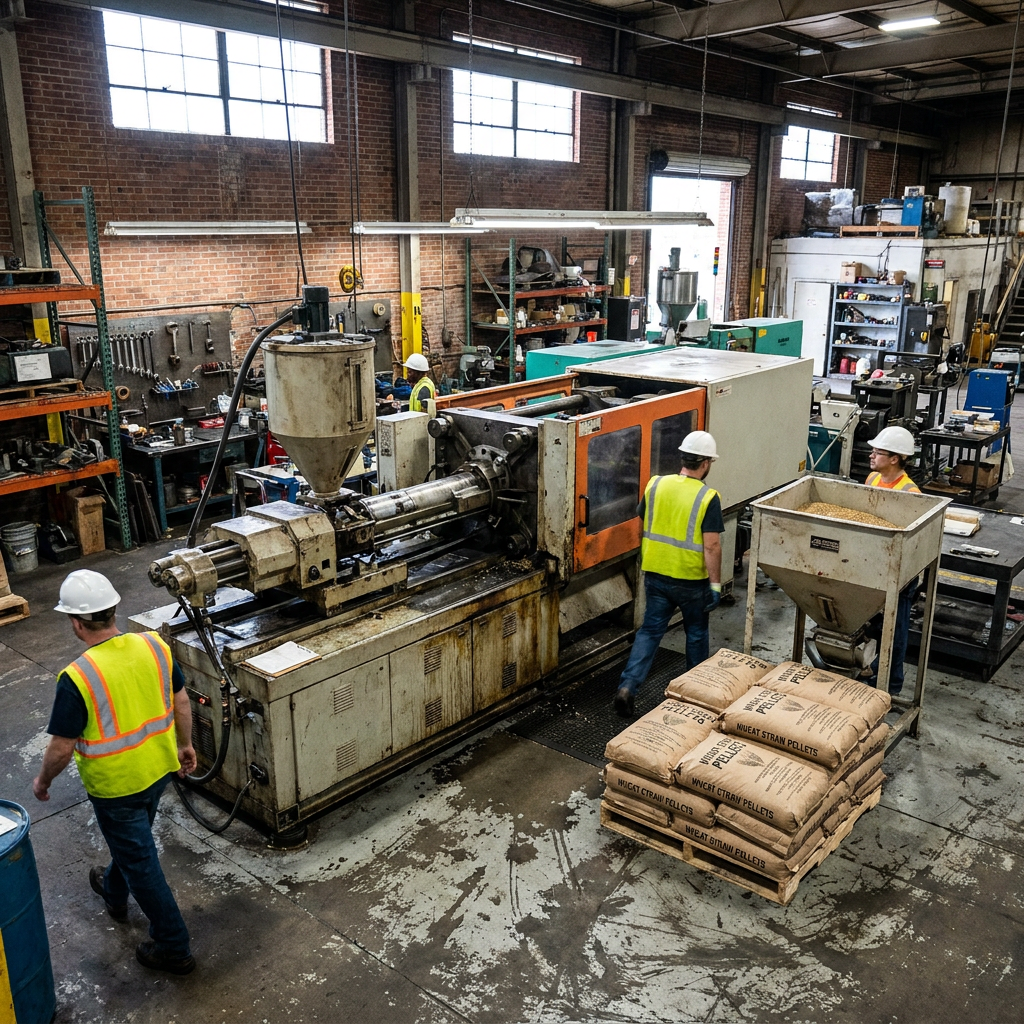
- Factory Direct Advantage: By sourcing directly from our facility, you eliminate third-party commissions and gain direct control over the wheat straw material quality.
- Lower Admin Costs: Direct communication with our engineering team reduces sample revisions and production errors, further protecting your margins.
4. Consolidate Orders for FCL Shipping Efficiency
Fragile procurement—buying cups here and plates there—makes it impossible to reduce wheat straw tableware wholesale costs effectively.
- One-Stop Sourcing: Consolidating your 24pcs wheat straw dinnerware sets and individual items into a single shipment allows for Full Container Load (FCL) shipping.
- Lower Port Fees: FCL shipping significantly reduces the per-unit handling and port charges compared to LCL. According to Incoterms 2026 Guidelines , FCL is the most cost-effective method for high-volume B2B importers.
5. Prioritize “Right-First-Time” Quality to Avoid Recalls
The hidden cost of low-quality products is the biggest threat to your budget. You cannot reduce wheat straw tableware wholesale costs if you have to deal with customs seizures or customer returns.
- Certification is Key: Ensure all products pass SGS or TUV Food Grade Testing.
- Strict QC: Our in-house QC team ensures that every batch meets the highest standards before it leaves the factory floor.
Conclusion: Start Optimizing Your Sourcing Strategy
Reducing your wheat straw tableware wholesale costs is a strategic process that involves smart packaging, direct sourcing, and strict quality control. By implementing these five steps, you can secure a competitive edge and significantly boost your profit margins.
Ready to see how much you can save on your next order?
CONTACT US

What Should Be Included in a Camping Mess Kit?
A scenario-based B2B checklist for building camping mess kits around actual users, meals and channels, with twelve component decisions, evidence boundaries and sample-evaluation criteria.

What Is a Camping Mess Kit?
A definition-first B2B guide to camping mess kits: their functional layers, optional components, material and nesting decisions, use scenarios, food-safety boundaries and supplier briefing points.
How Should Buyers Test Wheat Straw Tableware Impact Resistance?
A step-by-step B2B procurement guide to impact-resistance testing for reusable wheat straw tableware, from intended-use risks and conditioning to drop sequences, packaging validation and lot acceptance.

Does Wheat Straw Tableware Release Microplastics?
An evidence-led B2B guide to microplastic-release questions for wheat straw composite tableware, including material scope, use simulation, contamination controls and claim limits.

How Should Buyers Set AQL Inspection for Wheat Straw Tableware?
A practical procurement guide to setting product-specific AQL inspection rules for wheat straw tableware, from lot definition and defect classes to random sampling and shipment release.
Does Wheat Straw Tableware Contain PFAS?
A practical B2B evidence guide to PFAS questions in wheat straw composite tableware, covering formulation review, supplier declarations, testing scope and claim limits.