Eco-Friendly Tableware Market: Opportunities for Importers
Over the past few years, the global conversation around sustainability has shifted from a trend to a real business priority. Governments are tightening environmental regulations, brands are setting ESG goals, and consumers are actively choosing products that align with their values.
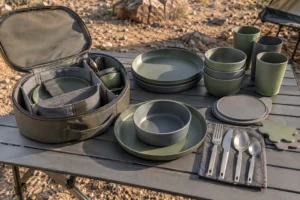
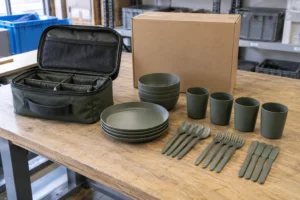
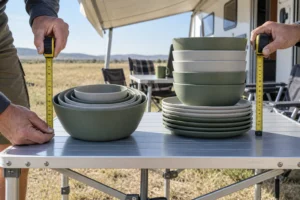
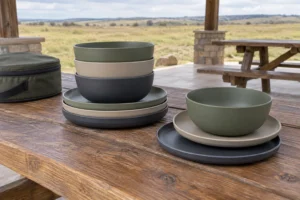
In this context, eco-friendly tableware has quickly become one of the most promising product categories in the housewares and food service industries. For importers, distributors, and private label brands, this market presents a unique opportunity to grow while meeting the increasing demand for sustainable products.
In this article, we’ll explore the current eco-friendly tableware market and highlight the key opportunities for importers looking to expand their product portfolio.
Why Eco-Friendly Tableware Is Growing So Fast
The demand for sustainable dining products is driven by several important factors.
1. Global Plastic Reduction Policies
Many countries and regions have introduced restrictions or bans on single-use plastics. Restaurants, cafés, and food delivery companies are actively searching for alternatives to traditional plastic tableware.
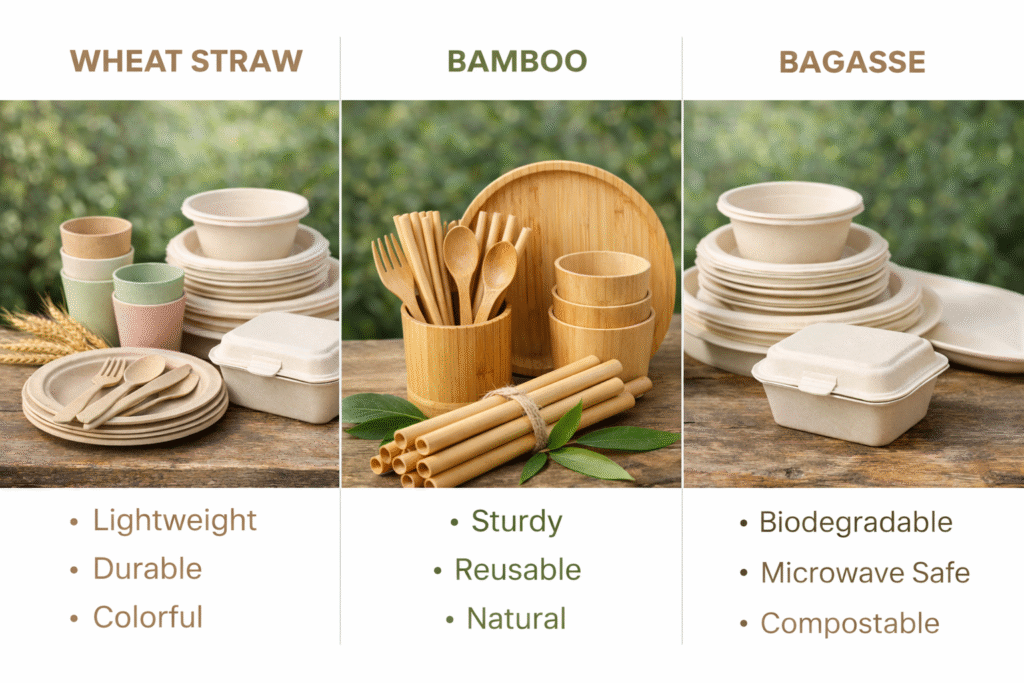
Materials such as wheat straw fiber, bamboo, bagasse (sugarcane fiber), and biodegradable plastics are gaining popularity because they offer a more sustainable solution while maintaining practical functionality.
For importers, this regulatory shift creates a clear market gap that eco-friendly tableware can fill.
2. Consumers Are Choosing Sustainable Products
Modern consumers—especially younger buyers—are paying more attention to the environmental impact of the products they purchase. Many shoppers are willing to pay a slightly higher price for items that are recyclable, reusable, or made from renewable materials.
This change in consumer behavior is influencing retailers, e-commerce sellers, and restaurant chains to expand their sustainable product lines. Importers who supply eco-friendly tableware can position themselves as part of this growing green supply chain.
3. Brand Sustainability and ESG Commitments
Many global brands are now publishing sustainability reports and environmental commitments. Switching to eco-friendly packaging and tableware is one of the simplest ways for companies to reduce their environmental footprint.
For importers, supplying custom-branded sustainable tableware can be a powerful value proposition when working with:
Restaurant chains
Catering companies
Corporate gift suppliers
Private label brands
E-commerce sellers
Custom logo printing, packaging design, and product color customization can further increase the attractiveness of eco-friendly tableware products.
Popular Eco-Friendly Tableware Materials
Importers entering this market should understand the most common materials used in sustainable tableware production.
Wheat Straw Fiber
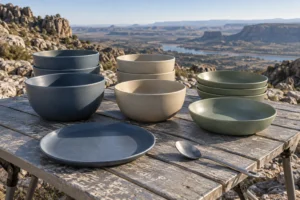
Wheat straw tableware is made from agricultural by-products that would otherwise be burned or discarded. The material is lightweight, durable, and reusable, making it ideal for household dining sets and children’s tableware.
Many brands choose wheat straw products because they combine sustainability with affordability.
Bamboo
Bamboo is one of the fastest-growing renewable resources in the world. Bamboo tableware products are known for their natural appearance and eco-friendly image, making them popular in premium markets.
Bagasse (Sugarcane Fiber)
Bagasse is a by-product of sugar production and is commonly used to manufacture compostable plates, bowls, and takeaway containers. It is especially popular in the food service and takeaway industries.
Opportunities for Importers
The eco-friendly tableware market offers several clear opportunities for importers and distributors.
Expanding Private Label Product Lines
Retailers and e-commerce brands are actively launching their own eco-friendly product lines. Importers who can provide OEM and private label services have a strong competitive advantage.
Customization options often include:
Logo printing or embossing
Custom colors
Eco-friendly packaging
Product set combinations
Supplying the Food Service Industry
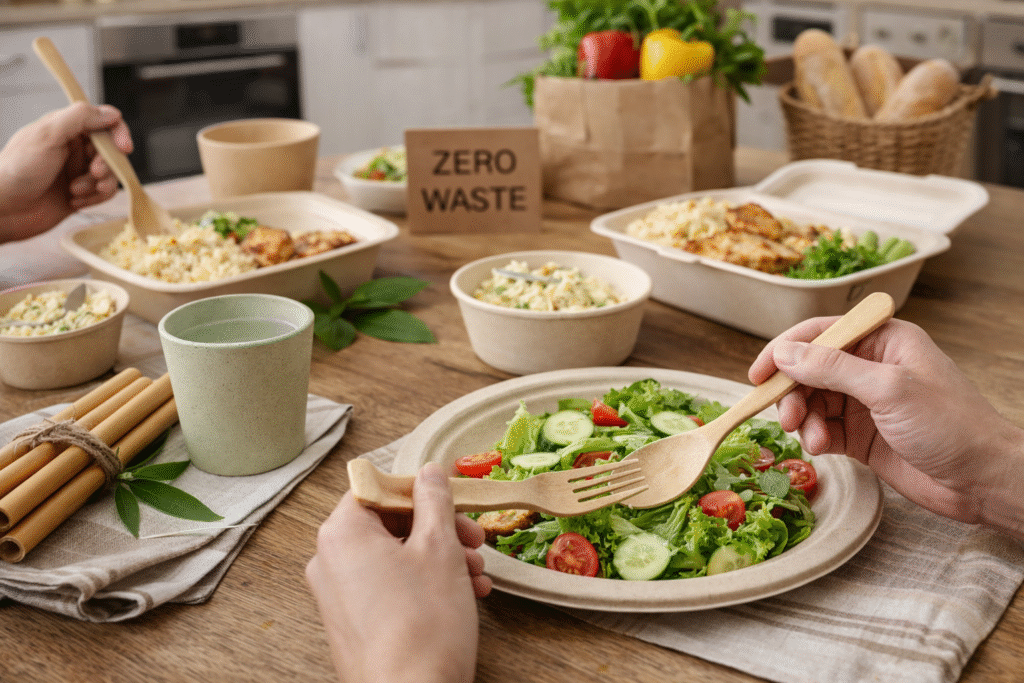
Restaurants, cafés, and catering businesses are under increasing pressure to reduce plastic waste. Importers can target the B2B food service sector with compostable or reusable tableware solutions.
Products such as takeaway containers, disposable plates, and eco-friendly cutlery sets are in particularly high demand.
E-commerce and Online Retail Growth
Online marketplaces have accelerated the growth of sustainable household products. Eco-friendly tableware is now commonly sold through platforms like Amazon, Shopify stores, and independent brand websites.
Importers who work with e-commerce sellers can benefit from stable repeat orders and scalable product lines.
Key Considerations When Importing Eco-Friendly Tableware
Before entering the eco-friendly tableware market, importers should evaluate several important factors.
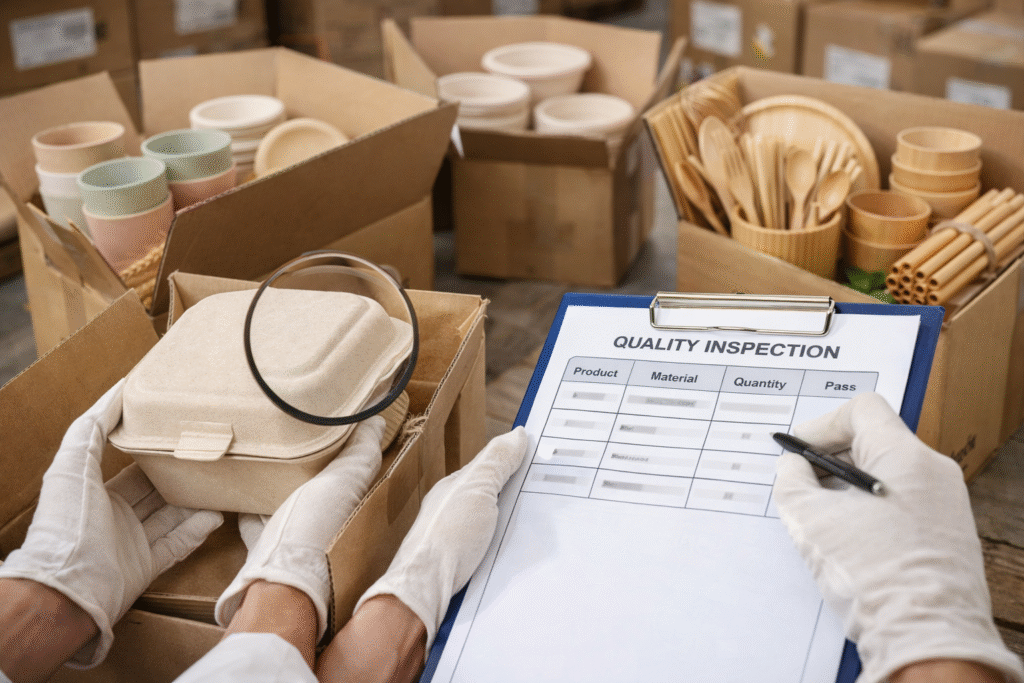
Material certifications are increasingly important. Buyers may look for certifications related to food safety, sustainability, or compostability.
Product quality and durability also play a major role. While sustainability is important, customers still expect tableware to be functional, safe, and long-lasting.
Finally, factory reliability and customization capabilities are critical. Importers should work with manufacturers that can support consistent quality, flexible production, and private label requirements.
The Future of Sustainable Tableware
The shift toward sustainable living is not slowing down. As environmental awareness continues to grow, eco-friendly tableware is expected to remain a strong and expanding market category.
For importers who are willing to adapt and invest in sustainable product lines, this market offers significant long-term potential. By partnering with reliable manufacturers and focusing on customization, branding, and quality, importers can position themselves at the center of this growing global trend.
If you are planning to expand your product range, eco-friendly tableware may be one of the most promising opportunities in today’s sustainable product market.

Microwave Safety of Wheat Straw Dinnerware
Microwave Safety of Wheat Straw Dinnerware: Is It Safe to Use? When choosing eco-friendly tableware, one of the most common questions buyers ask is:👉 Is

Common Quality Issues in Wheat Straw Tableware
Common Quality Issues in Wheat Straw Tableware: 7 Problems Buyers Must Avoid When sourcing eco-friendly products, many buyers focus on price and design—but overlook a

FDA vs LFGB Certification for Tableware
FDA vs LFGB Certification for Tableware: What Buyers Need to Know Understanding FDA vs LFGB certification for tableware is essential for global buyers.When sourcing tableware

Is Wheat Straw Dinnerware Safe
Is Wheat Straw Dinnerware Safe? A Deep Dive into Health Heat and Durability As eco-friendly products become more popular worldwide, many buyers are asking an

Cost Factors Buying Wheat Straw Dinnerware Set Wholesale
Cost Factors When Buying Wheat Straw Dinnerware Set: A Complete Guide for Importers Sourcing a premium Wheat Straw Dinnerware Set Wholesale is easy with Naike

Wholesale Wheat Straw Tableware: Complete Guide
Wholesale Wheat Straw Tableware: The Complete Guide to Sourcing from a Direct Manufacturer In the rapidly evolving market for sustainable household products, sourcing from a