Description
Roll-Sling Four-Person Camping Dinnerware Set
Four place settings in one unrolling sling
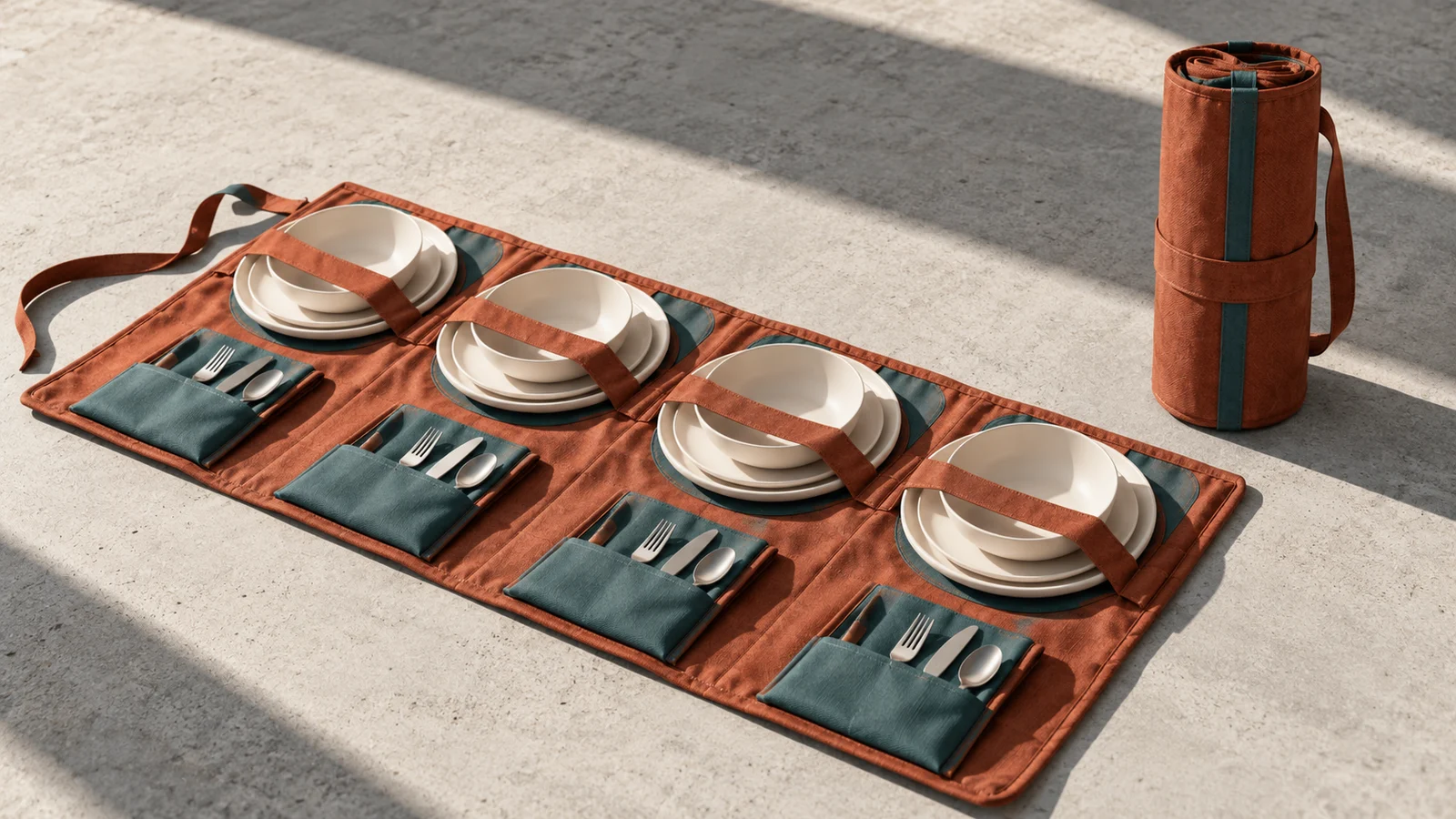
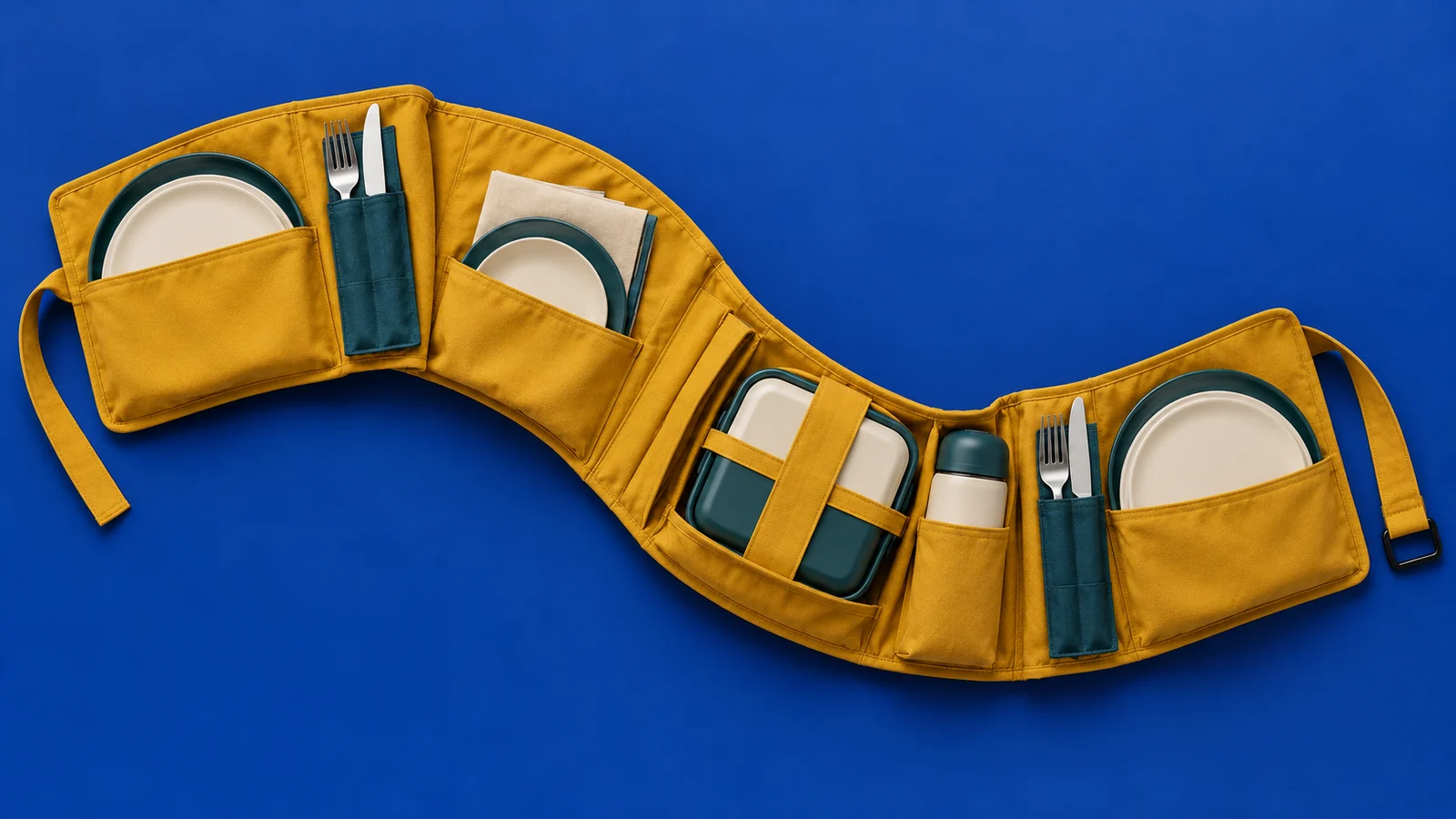
This camping dinnerware set uses a long textile organizer with four transverse place-setting pockets, detachable cutlery sleeves and an end zone for a project-defined lunch container. The organizer rolls into a cylindrical carry state, creating a component architecture materially different from rigid grids, radial pods, corner caddies and perpendicular tray stacks.
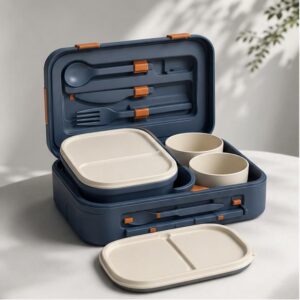
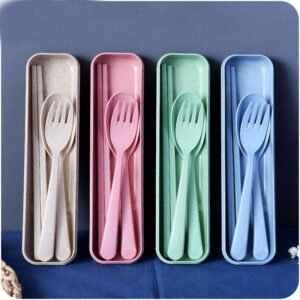
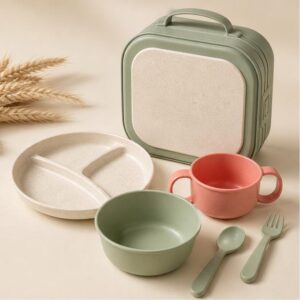
All visuals are concept images. They do not represent a verified production SKU, factory sample, customer order or performance result.
PRODUCT PARAMETER
The camping dinnerware set remains a project concept until its BOM, drawings, materials and evidence are approved.
| Product type | Modular four-person camping dinnerware development concept |
|---|---|
| Reference components | Four plates, four bowls, four cups, four cutlery groups, four sling pockets, detachable sleeves, lunch container, closure straps and carry handle; final BOM to be confirmed |
| Material / finish | To be confirmed for the project after intended use, cleaning and target-market review |
| Dimensions / packed mass | To be confirmed for the project from approved drawings and rolled configuration |
| Color / decoration | Artwork, color tolerance, decoration process and evidence scope require sample approval |
| Compatibility | Compatibility to be confirmed by project sample and drawing. |
| MOQ / price / lead time | To be confirmed for the project |
| Packaging | To be confirmed after channel, protection, instructions and transit-risk review |
REFERENCE CONFIGURATIONS
The reference arrangement is an RFQ discussion tool, not a fixed catalogue specification. Buyers should define component counts, dimensional envelopes, use conditions, target markets, replacement logic, branding and pack-out route.
| Route | Reference grouping | Buyer decisions |
|---|---|---|
| Essential roll | Four pockets with plate, bowl, cup and cutlery groups | Counts, component envelopes, pocket pitch and roll diameter. |
| Lunch-box route | Essential roll plus end-mounted container | Container restraint, food-use scope and separate cleaning route. |
| Replacement route | One identified cutlery sleeve or place-setting group | ID method, attachment and master-roll compatibility. |
| Retail/channel route | Rolled organizer, protective wrap and outer pack | Labels, instructions, transit method and disposal information. |
Pocket pitch, rim engagement and roll path
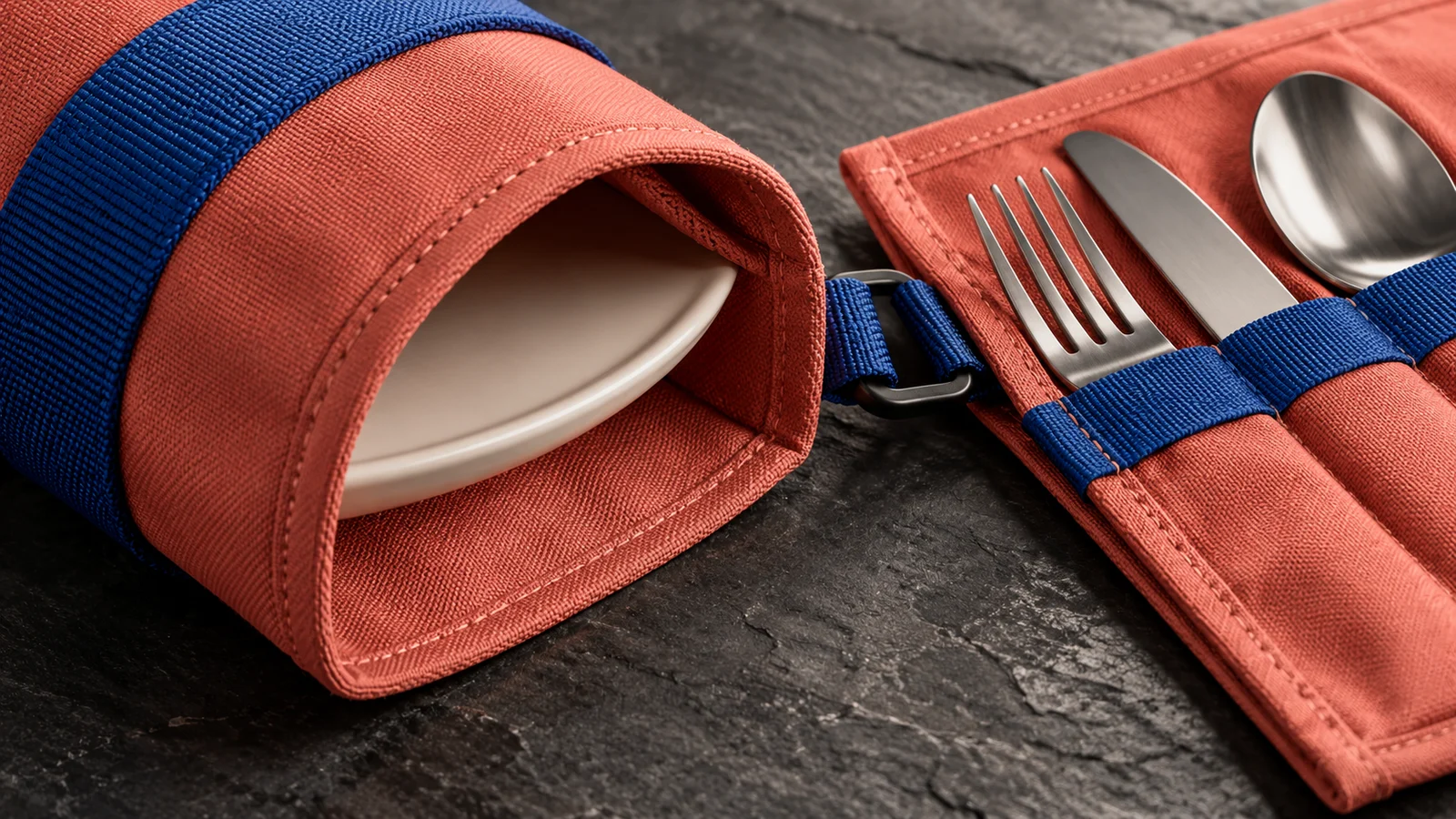
The sling controls each setting with textile pockets and keepers rather than rigid cavities. Each pocket needs a defined plate-rim engagement, bowl/cup separator and removal direction. The rolled layers must not turn utensils into pressure points or trap a wet component against another food-contact surface.
Sling interface questions
- Can each setting be removed without disturbing the next pocket?
- Does the keeper restrain the rim without concentrating load?
- Are utensils isolated from bowl and plate food-contact faces?
- Can the organizer open flat and be cleaned and dried as specified?
- Does the filled end zone keep the rolled cylinder balanced?
Procurement brief for a sling review
Provide the target BOM, component drawings or samples, use conditions, target markets, demand estimate, artwork, packaging channel and required evidence. For release control, cross-reference the BOM revision guide; plan representative checks with the fit sampling method; then review the loaded textile system against the carry-case inspection record.
Roll-Sling development gates
Freeze the component envelopes, pocket pitch, keeper locations, sleeve attachment, lunch-container zone, roll direction and closure before representative fit review. A revised plate rim, cup height or utensil profile can alter retention and rolled diameter.
| Gate | Evidence | Decision |
|---|---|---|
| Brief | BOM, use conditions, dimensional envelope and channel | Approve feasibility review. |
| Drawing | Pockets, keepers, seams, roll path, closure and artwork zones | Authorize prototype or revise. |
| Sample | Traceable components, loaded pockets, access, roll and carry balance | Accept, rework or hold. |
| Evidence | Material/food-contact scope, cleaning, textile and packaging checks | Close market-specific gaps. |
| Golden sample | Signed BOM, drawings, color, pack-out and comparator sample | Freeze the approved state. |
Materials and compliance boundaries
The concept visuals establish no material, certification or performance. Selection depends on food type, temperature, contact duration, cleaning and target market. Primary references include the US FDA conditions-of-use framework, the European Commission food-contact materials overview and the ISTA procedure directory for distribution planning.
The Roll-Sling concept carries no assumed claim for biodegradability, compostability, recycled content, microwave or dishwasher use, waterproofing, drop resistance, seam strength or carrying load. Define each required claim and its evidence in the project brief.
Customization and project evaluation
Color families, logo location, pocket IDs, textile finish, strap hardware, lunch-container route and retail packaging can be reviewed against buyer artwork and target requirements. New pocket geometry, closures or attachment hardware may require feasibility, tooling and intellectual-property review. Compatibility to be confirmed by project sample and drawing.
Rolled carry state and channel pack-out
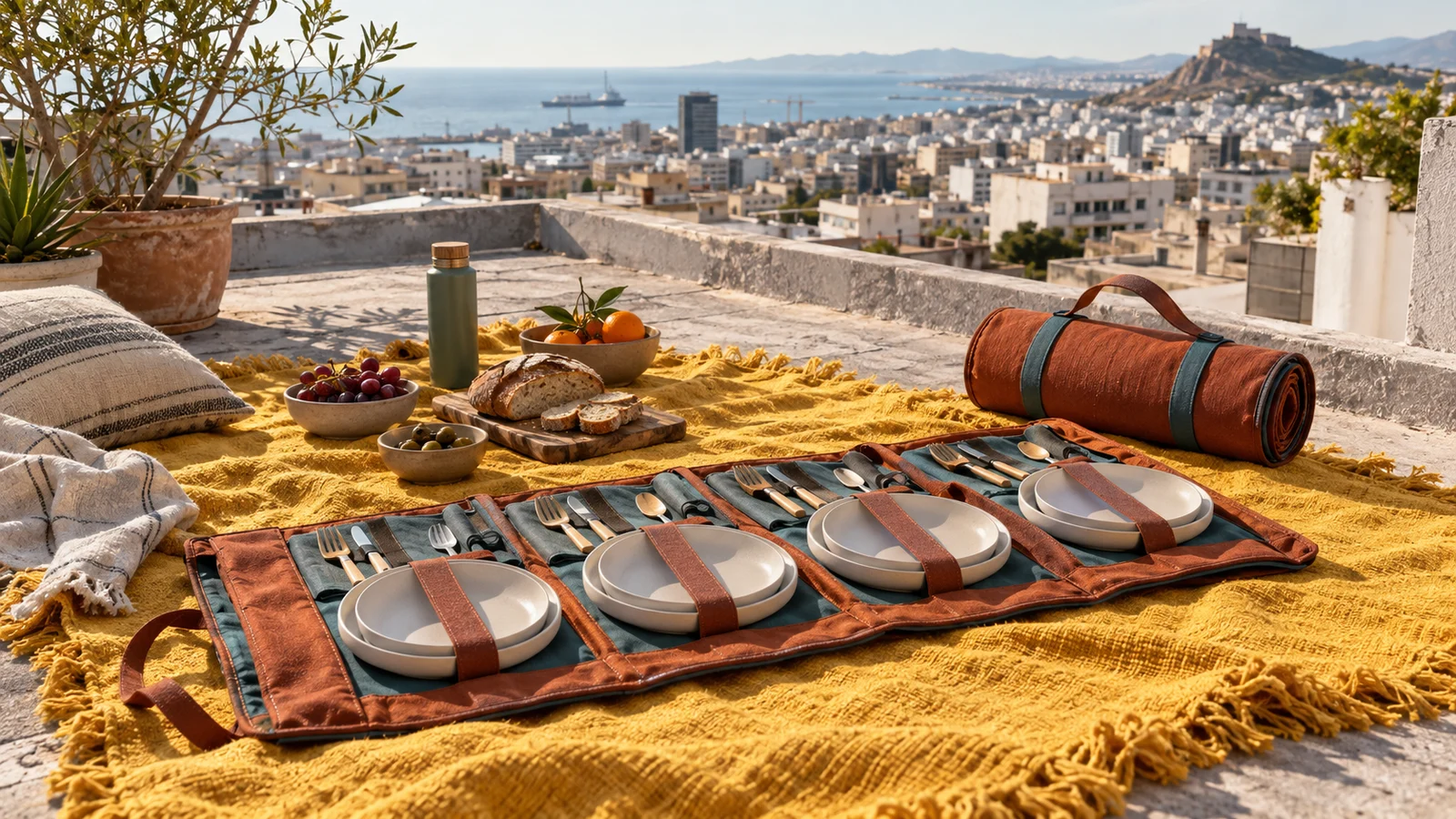
The organizer is not automatically the full transit package. Review separators, strap pressure, seam protection, instruction placement, labels and outer-carton controls for the selected channel. Record total packed mass, rolled diameter, center of gravity and unrolling sequence for every approved configuration.
Roll-specific review points
- Pocket pitch and plate-rim engagement
- Bowl/cup separation and utensil isolation
- Cutlery-sleeve attachment and count
- Roll diameter, strap route and loaded balance
- Wet/dry handling and accessible cleaning
- Decoration, component count and packaging traceability
Procurement FAQ
Is Roll-Sling an existing production SKU?
No. It is a buyer-development concept, not a factory sample or customer order.
Can the organizer hold existing dinnerware?
Possibly. Compatibility to be confirmed by project sample and drawing.
How can buyers evaluate a detachable lunch-container module?
A removable route can be evaluated after its envelope, restraint and cleaning scope are defined.
How should buyers define textile and tableware materials?
Specify food and drink conditions, cleaning, target market, evidence scope and expected carry environment first.
When can commercial terms be confirmed?
MOQ, price and lead time remain To be confirmed for the project after the layout, BOM, materials, artwork, packaging and development work are defined.
Is cookware included?
No. This concept covers dinnerware only; cookware needs separate heat, load, handle and use-condition evidence.
Send your Roll-Sling brief
Share the target BOM, component drawings or samples, use conditions, markets, artwork, packaging route and approval evidence.
Last reviewed October 12, 2026 at 09:44:25 CST. Concept images do not represent a verified production SKU, factory, test or customer order.
RELATED SOURCING PATHS
Compare Products and Plan Your Project
Review related product formats, then compare material, set configuration, logo, packaging, testing scope and order quantity with our B2B team.