
Private Label Wheat Straw Tableware Built for Your Channel
Turn an existing product model into a channel-ready range with coordinated colors, brand application, set configuration, labels and retail packaging—all reviewed against your quantity and target market.
For importers, distributors, retailers, foodservice buyers and private-label programs.
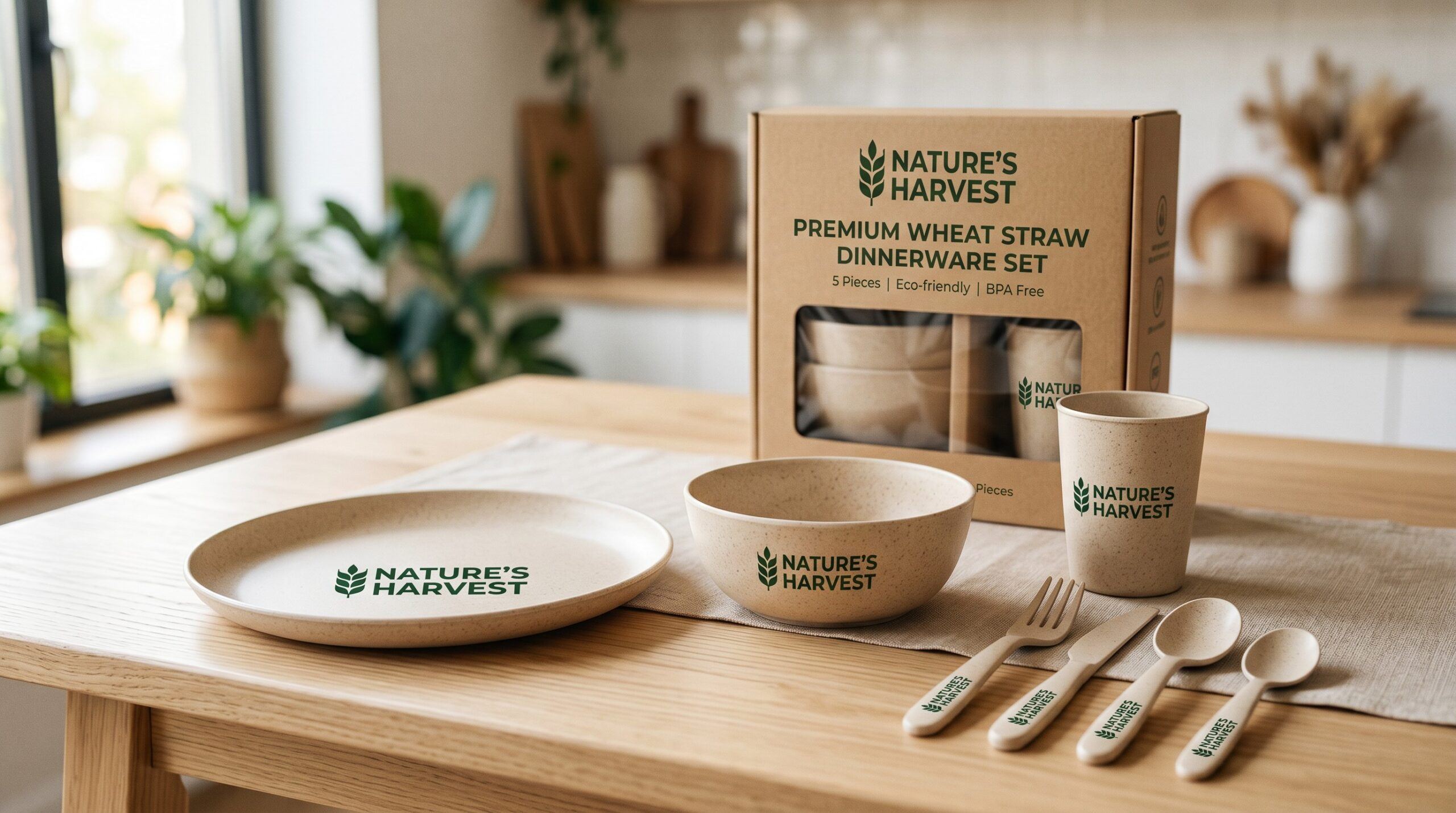
A private-label program starts with a complete brief
The fastest projects align the product, branding, packaging and compliance questions before sampling. Tell the team where the range will be sold, who will buy it and how it should appear on shelf or online. The quotation can then identify the selected model, customization scope, MOQ, sample route, packaging assumptions and production schedule.
Product architecture
Choose individual plates, bowls, cups and cutlery or combine them into coordinated sets.
Brand expression
Review color matching, printed or engraved marks, artwork position and packaging hierarchy.
Retail readiness
Coordinate barcodes, labels, instructions, inner packs, master cartons and destination details.
Choose the right starting point
Existing molds usually provide the shortest route to sampling and commercial review. A new shape or structural change requires a separate tooling and approval discussion. In both cases, the final specification should identify the exact material composition, dimensions, colors, logo method, packaging and available product documentation.
Include these details in your inquiry
- Sales channel and destination market
- Product list and estimated quantities
- Pantone or physical color reference
- Vector logo and packaging artwork
- Required labels, barcodes and documents
From sourcing brief to production-ready specification
Each stage should leave a clear written decision for product, customization, packaging and timing.
Continue your product review
Questions to resolve before quotation and sampling
Do we need a new mold for private label?
Not necessarily. Existing models can often be customized through color, logo, set configuration and packaging.
Can several products share one color system?
Yes, subject to material and production review. Physical samples are used to approve the final color direction.
Can you work with our packaging designer?
Yes. Provide dielines, artwork and print requirements so the packaging route can be checked with the selected products.
How is MOQ determined?
Final MOQ and production schedule are confirmed in the quotation. Custom tooling, special packaging or additional testing may require a separately confirmed schedule.
What should be approved before production?
The approved product sample, color, logo position, packaging artwork, labels, carton marks and written specification should be aligned.
Send your product, quantity and customization brief
We will review the selected product, MOQ, sample route, lead time, packaging and available documents for your destination market.
Turn Separate Items into a Coherent Retail Program
Private label is more than adding a logo to an existing item. A commercially useful program connects assortment, color, packaging, labeling and replenishment so buyers can launch a clear range instead of managing unrelated SKUs. The first review should establish which elements are fixed and which may change by season or channel.
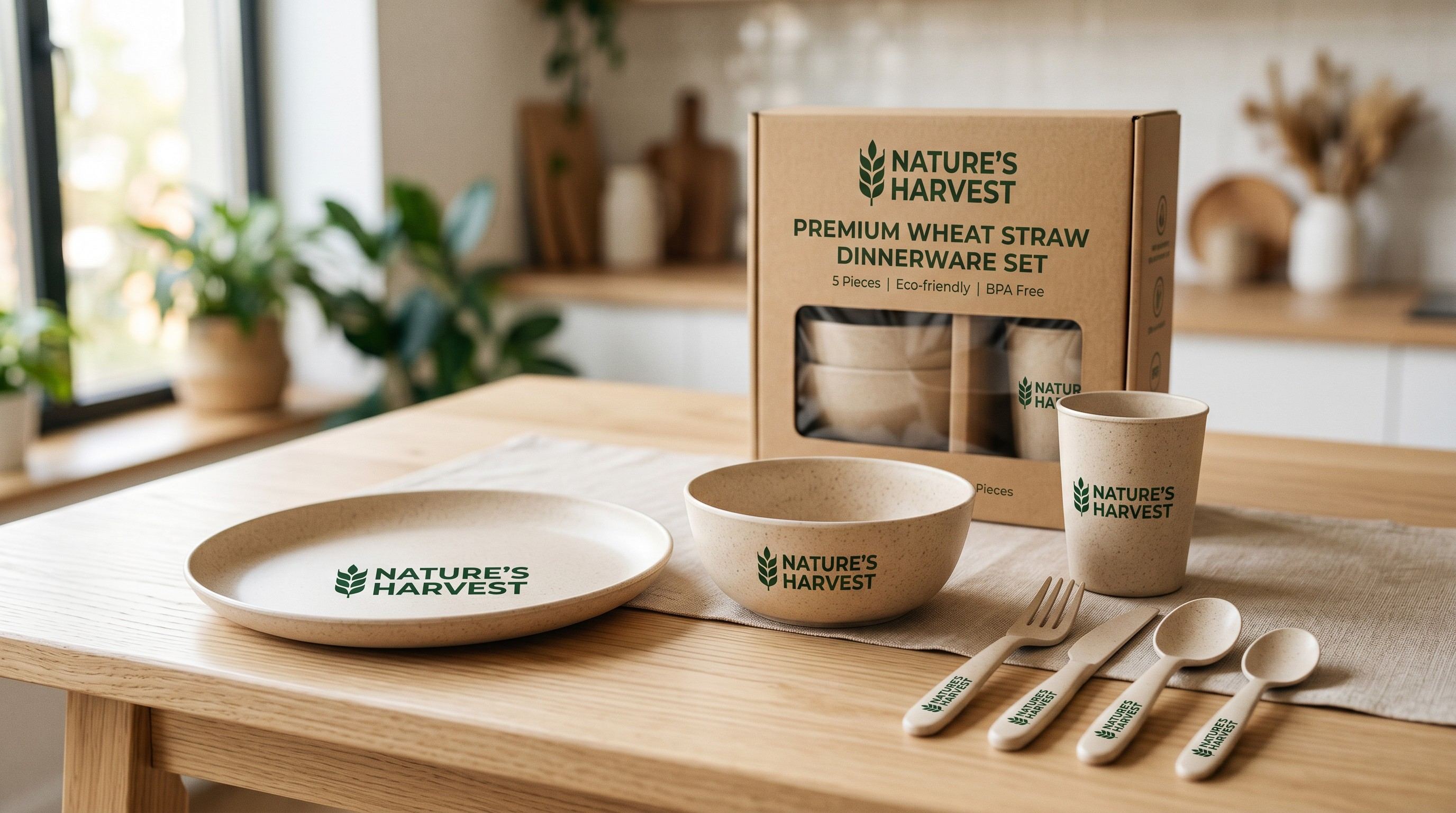
Core assortment
Select the few shapes that cover most demand, then decide whether cups, cutlery or additional sizes belong in the opening range or a later extension.
Brand system
Define logo position, Pantone references, artwork ownership, packaging hierarchy and the rules that keep multiple SKUs visually consistent.
Reorder control
Use stable product codes, approved samples and clear case packs so replenishment does not depend on subjective color or image comparisons.
Plan the launch in commercial stages
A low-risk route usually starts with existing molds and a focused color family. The team can then review whether a custom logo or packaging format is practical at the forecast quantity. New tooling should solve a real product or merchandising gap; it should not be added merely to make the range look different.
Quotation comparisons are clearer when each supplier prices the same specification. List the item dimensions, nominal unit weight, material disclosure, colors, logo process, individual packaging, master carton, test scope and inspection requirement. Record which costs are one-time and which repeat with every order.