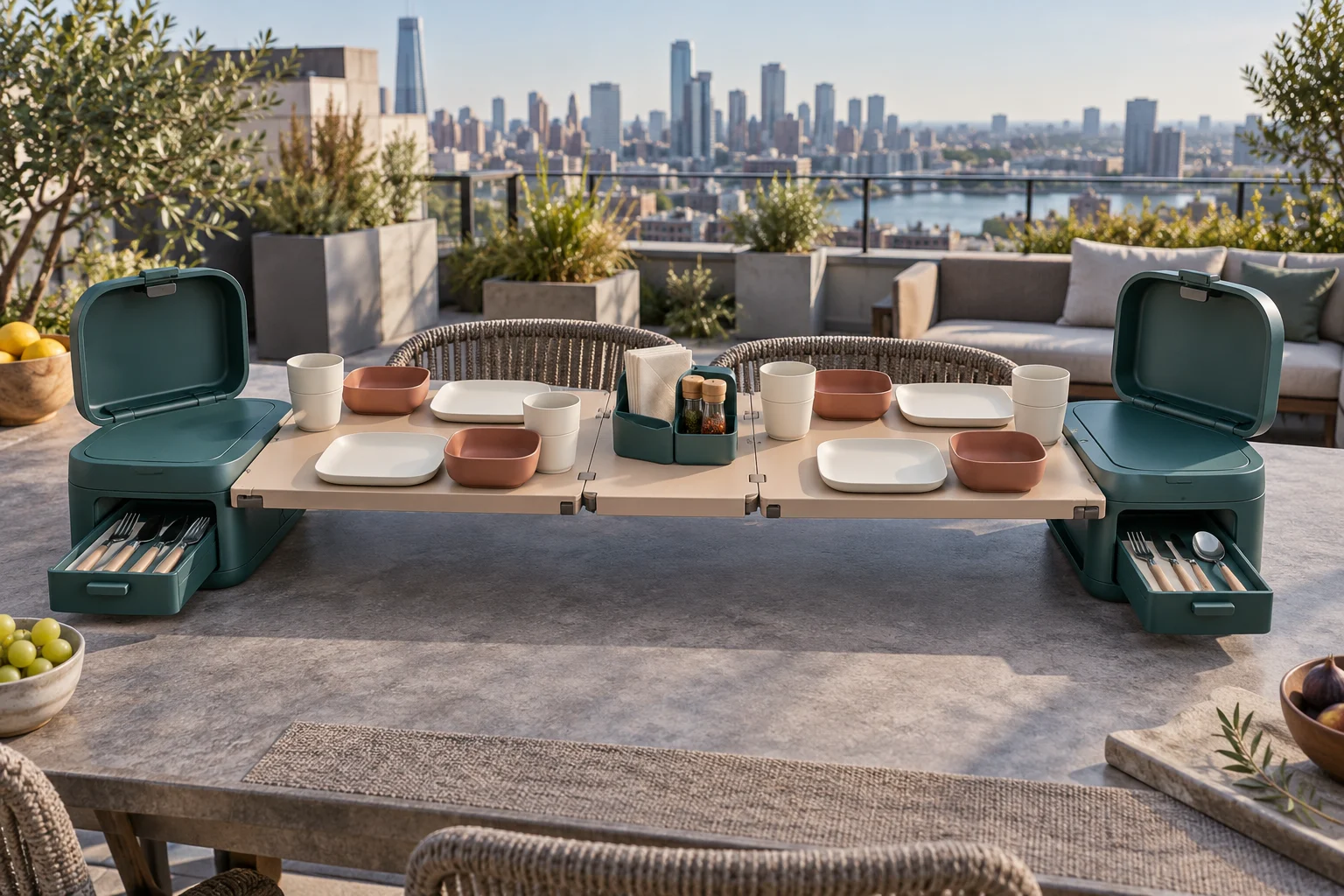
Description
TWO-POD FOUR-PERSON DEVELOPMENT CONCEPT
Bridge-Table Four-Person Camping Dinnerware Set
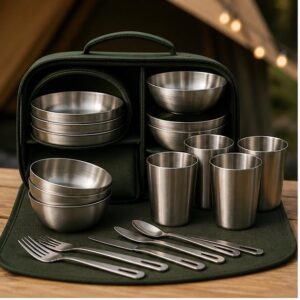
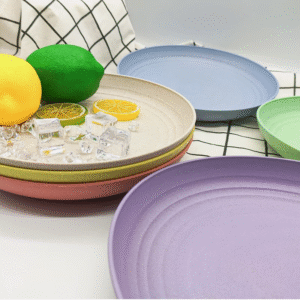
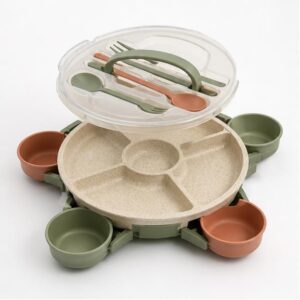
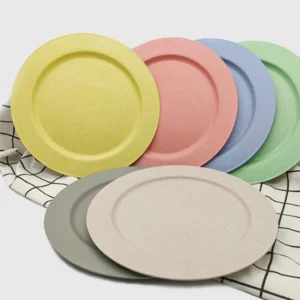
This camping dinnerware set places two rigid storage pods at opposite ends of a fold-flat serving bridge. Each pod supports two place settings and a slim cutlery drawer; the center surface creates a shared presentation zone when open. Reference components include rounded-square plates, straight-wall bowls, stacking handleless cups and a detachable condiment or napkin pod. It is a development concept, not a verified production SKU.
- Two end pods divide the four-person set into two controlled groups
- Center hinge, pod latches, drawer retention and loaded bridge stiffness require drawing and sample review
- Materials, dimensions, MOQ, price, lead time and verified claims: To be confirmed for the project
Product review contents
Use this page to define the component matrix, two-pod allocation, bridge geometry, closed carry envelope, drawer access, intended food use, decoration, packaging and evidence scope. The visuals communicate an organization direction only.
PRODUCT PARAMETER
| Set format | Two rigid end pods joined by one fold-flat serving bridge |
|---|---|
| Reference components | Four rounded-square plates, four straight-wall bowls, four stacking handleless cups, four utensil groups in two slim drawers, two end pods, one bridge and one detachable condiment or napkin pod |
| Materials | To be confirmed for the project |
| Dimensions and weight | To be confirmed for the project |
| Color, finish and logo | To be confirmed for the project |
| Packaging, MOQ, price and lead time | To be confirmed for the project |
| Compatibility | Compatibility to be confirmed by project sample and drawing. |
REFERENCE CONFIGURATIONS
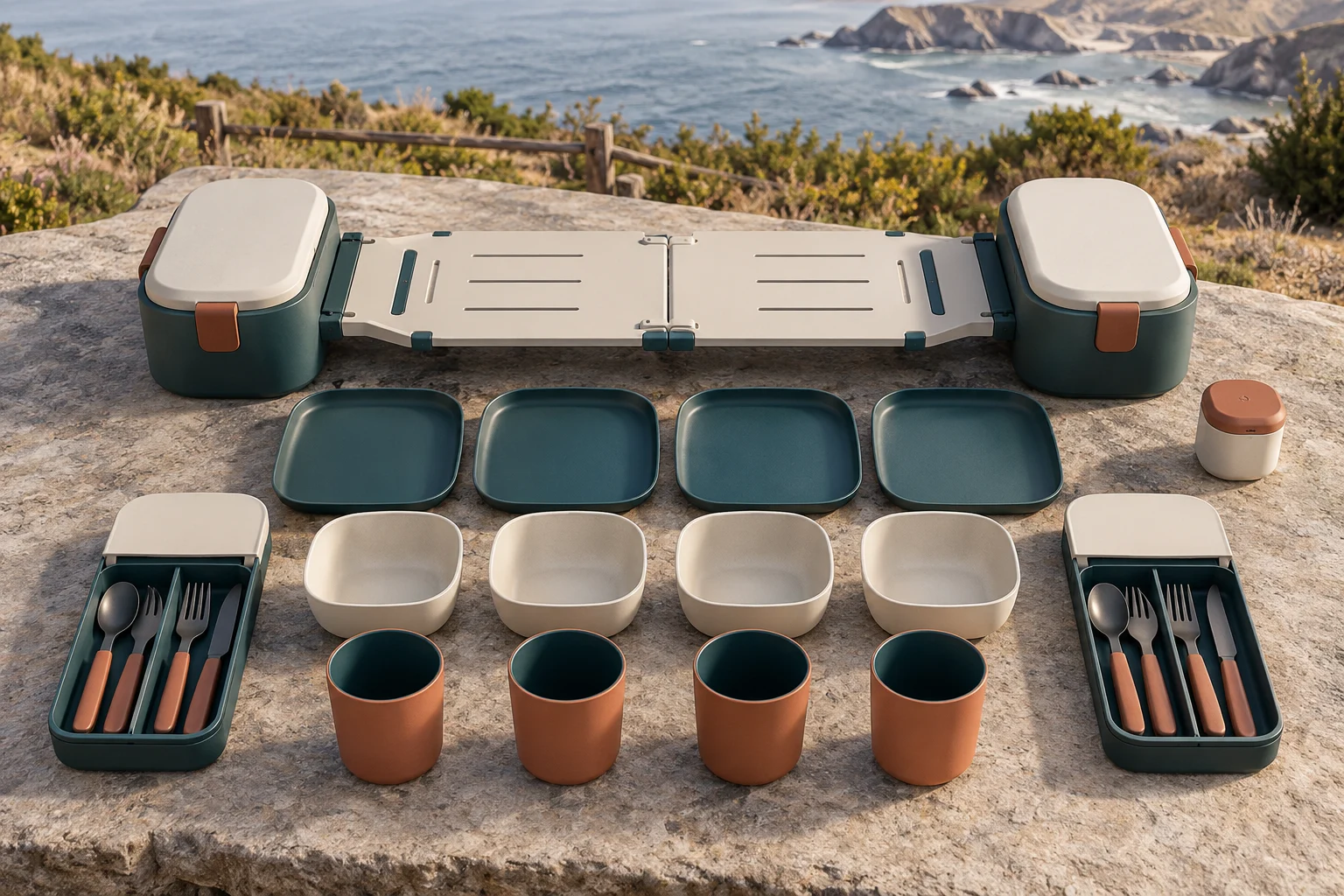
The configuration separates both pods, the bridge, four place settings, two cutlery drawers and the small shared module. Use it to create a controlled component matrix; counts, dimensions and compatibility remain project decisions.
| Configuration decision | Reference direction | Approval check |
|---|---|---|
| Two-person pod | One rigid pod stores two place settings | Count visibility, internal clearance and removal order |
| Serving bridge | Fold-flat center surface between the pods | Hinge geometry, latch sequence and loaded stiffness |
| Dinnerware profile | Rounded-square plate, straight-wall bowl and handleless cup | Food-use conditions, nesting and pod fit |
| Utensil storage | One slim drawer per two-person pod | Edge control, opening clearance and drying access |
| Shared module | Detachable condiment or napkin pod | Attachment, cleaning and exclusion from food claims as applicable |
Divide the camping dinnerware set into two controlled pods
The pod boundary can make two-person counting and replacement easier, but it is not proof that the components fit. Define the internal envelope, plate and bowl orientation, cup nesting, drawer clearance and removal sequence. A buyer should be able to inspect each pod without releasing the center bridge or disturbing the other group. Compatibility to be confirmed by project sample and drawing.
Inspect the bridge hinge, latches and cutlery drawers
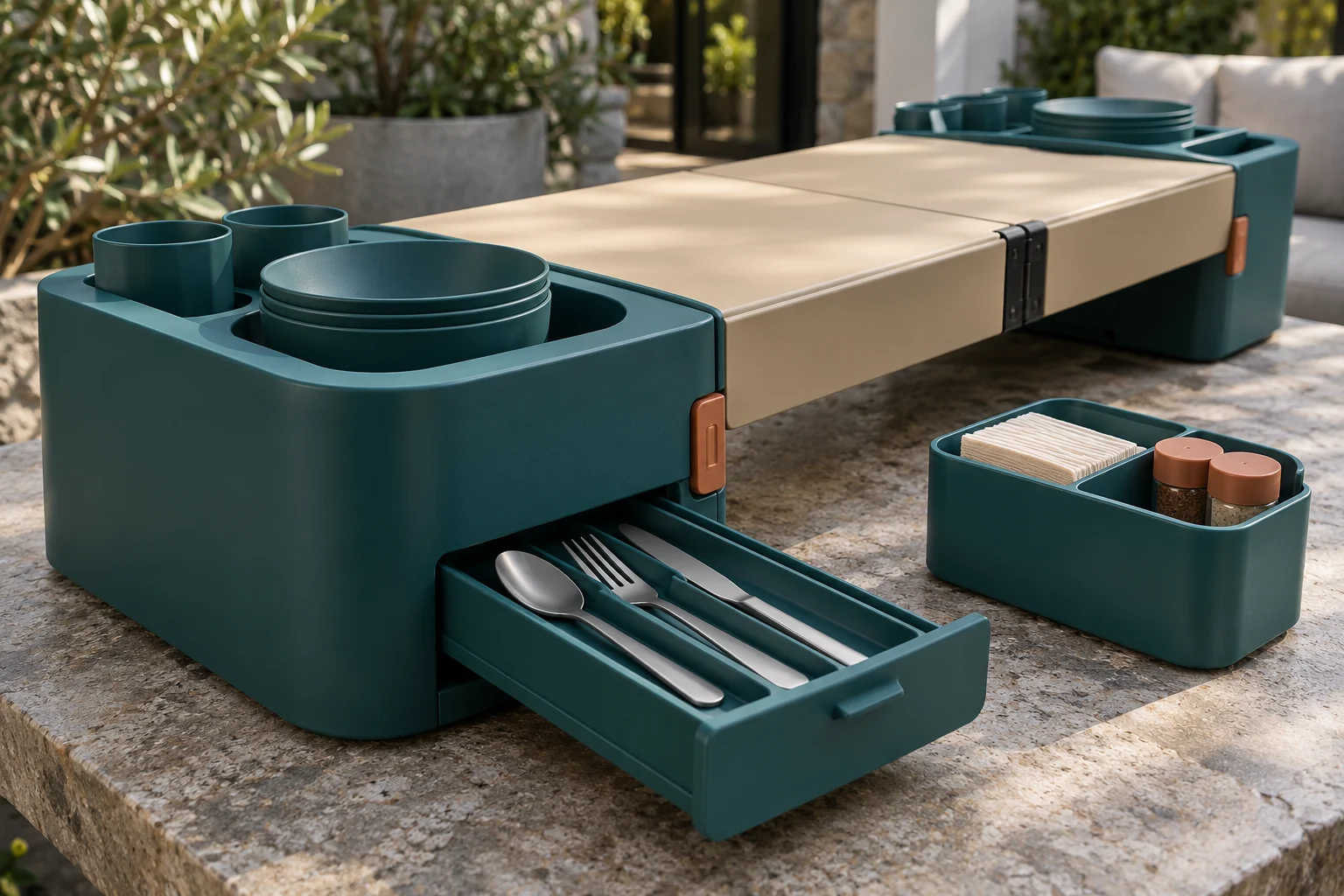
The center bridge creates a different risk profile from a fabric case or nested stack. Review hinge pinch clearance, flatness, latch engagement, torsion between pods, drawer stops, utensil edge control and access for cleaning. Test the complete loaded configuration; an empty visual model cannot establish stiffness, balance or retention.
Customization and project boundaries
Customization can include pod geometry, bridge length, hinge and latch route, component mix, plate and bowl profiles, cup form, drawer layout, shared module, color allocation, decoration and packaging. New geometry, molds, hardware or structural interfaces require written feasibility review. This page does not promise tooling, capacity, MOQ, price or timing.
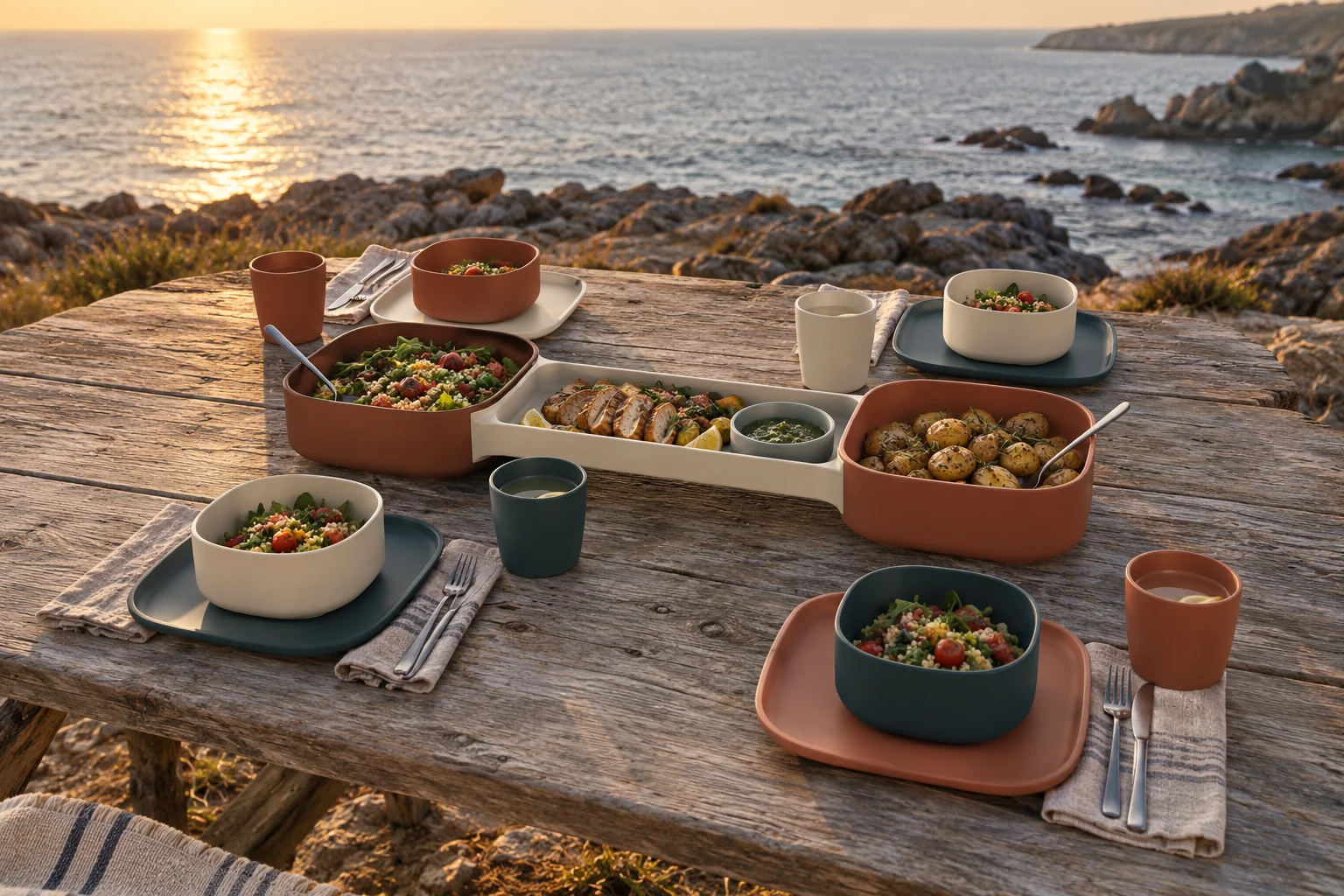
Review the camping dinnerware set in use
For coastal picnic, terrace and camping-retail programs, observe how four settings sit around the shared bridge. Check whether serving dishes overload the center, whether pod lids or drawers obstruct diners, how used utensils return, and whether the structure can be wiped and dried before closing. The scene is a use concept, not proof of field performance or a customer order.
Prepare a useful project brief
Send the sales channel, user group, required components, two-pod allocation, open and closed envelope, carry method, food-use conditions, destination markets, cleaning expectations, logo route, packaging objective and target schedule. Separate required functions from styling preferences.
B2B development controls
- Approve one controlled matrix for both two-person pods and shared components.
- Control bridge, hinge, latch, drawer and pod interfaces by drawing revision.
- Measure the carry envelope only with the released dinnerware configuration.
- Review opening order, load balance, drawer stops, count visibility, cleaning and drying.
- Link color, decoration, packaging statements and evidence to finished components.
- Record open issues and reapproval triggers before requesting a written quotation.
Material and compliance boundary
The visuals establish only a Bridge-Table organization concept. They do not verify material identity, food-contact status, migration, hinge durability, latch strength, loaded stiffness, dishwasher suitability or destination-market compliance. Define evidence by finished component, food type, contact duration, temperature, cleaning route, decoration and jurisdiction. Unknown values remain “To be confirmed for the project.”
For context, review the FDA food ingredients and packaging overview, the European Commission’s food-contact materials legislation index and FCM overview. Connect the brief to the component architecture guide, pilot-assembly review and finished-component evidence index.
Procurement FAQs
Is this camping dinnerware set a current SKU?
No. It is a development concept for discussing a two-pod and fold-flat bridge architecture. Final availability and specifications require written confirmation.
Can the bridge be used as a load-bearing table?
No load rating is claimed. Define the intended use and load, then review drawings and representative samples before approving any structural statement.
Can different plate or bowl profiles be used?
They can be evaluated, but pod clearance, drawer space, bridge envelope and carrying balance may change. Compatibility to be confirmed by project sample and drawing.
Are the end pods leakproof?
No leakproof claim is made. Their role, closure and cleaning boundary must be specified and verified for the project.
Are materials or certifications confirmed?
No. Define finished-component materials, intended use, markets and evidence requirements in the project brief.
What should the buyer send first?
Send the component matrix, pod and bridge envelope, carry priorities, food-use conditions, destination market, logo, packaging and evidence brief.
Build a practical Bridge-Table camping dinnerware set
Send the component and structure brief or request a drawing-and-sample review. The review will return a project-specific list of unresolved specifications, interface checks, evidence requests and quotation inputs.
RELATED SOURCING PATHS
Compare Products and Plan Your Project
Review related product formats, then compare material, set configuration, logo, packaging, testing scope and order quantity with our B2B team.