User Brief
Define age positioning, market, supervision and meal scenarios.

CUSTOM COMBINATION · CARRY CASE · PRIVATE LABEL
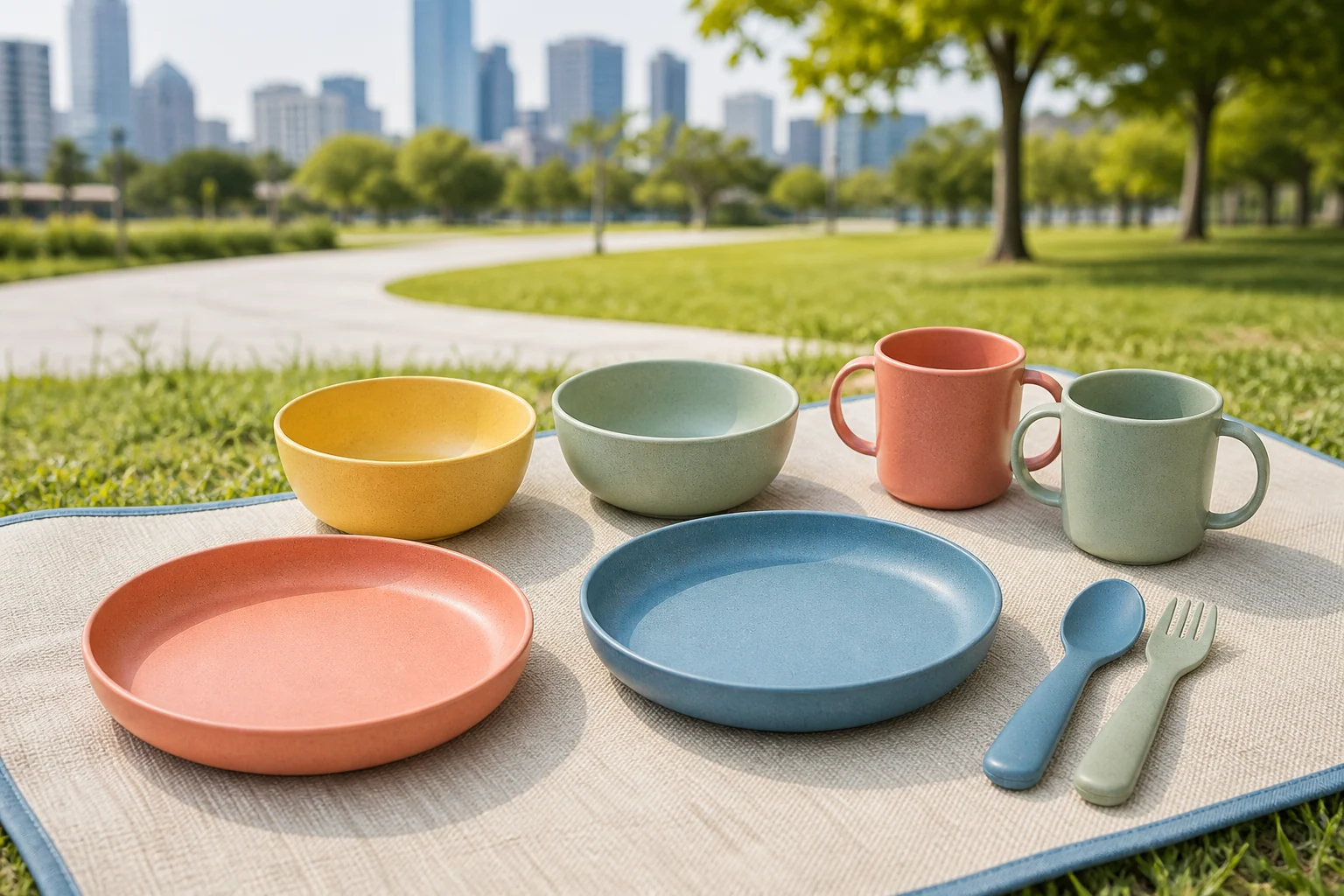
Develop a coordinated outdoor eating program for two children from a verified wheat-straw filler plus PP product direction. Select the plate, bowl, cup, utensils, user colors and storage method as one controlled set.
Project boundary: intended age group, dimensions, capacity, formulation, colors, case geometry, compatibility, packaging and compliance evidence are To be confirmed for the project. This is dinnerware; no flame or cookware claim is made.
A custom two-child outdoor picnic set should be quoted from one component schedule and one intended-use brief, not from an unverified product image.
| Product direction | Two-child outdoor picnic tableware system | Material direction | Wheat-straw filler plus PP composite; formulation by project |
|---|---|---|---|
| Base components | Divided plates, bowls, handled cups and rounded utensils | User allocation | One coordinated module per child |
| Age positioning | To be confirmed for the project | Dimensions / capacity | To be confirmed for the project |
| Color system | Two-user color identification by approved sample | Logo | Method and placement by feasibility review |
| Carry case | Compatibility to be confirmed by project sample and drawing. | Packaging | To be confirmed for the project |
| New geometry | Drawing-based tooling feasibility review | Target market | Documentation scoped to destination market |
| MOQ / price | MOQ from 500 units; documented quotation by project | Status | Development concept based on a published product direction |
Unknown data remains “To be confirmed for the project.” No universal specification, certification, compatibility, MOQ, price, capacity or lead time is created by this page.
The two arrangements below support buyer discussion about allocation and pack-out. They are scene illustrations, not photographs of a stocked SKU, production, testing or a customer order.
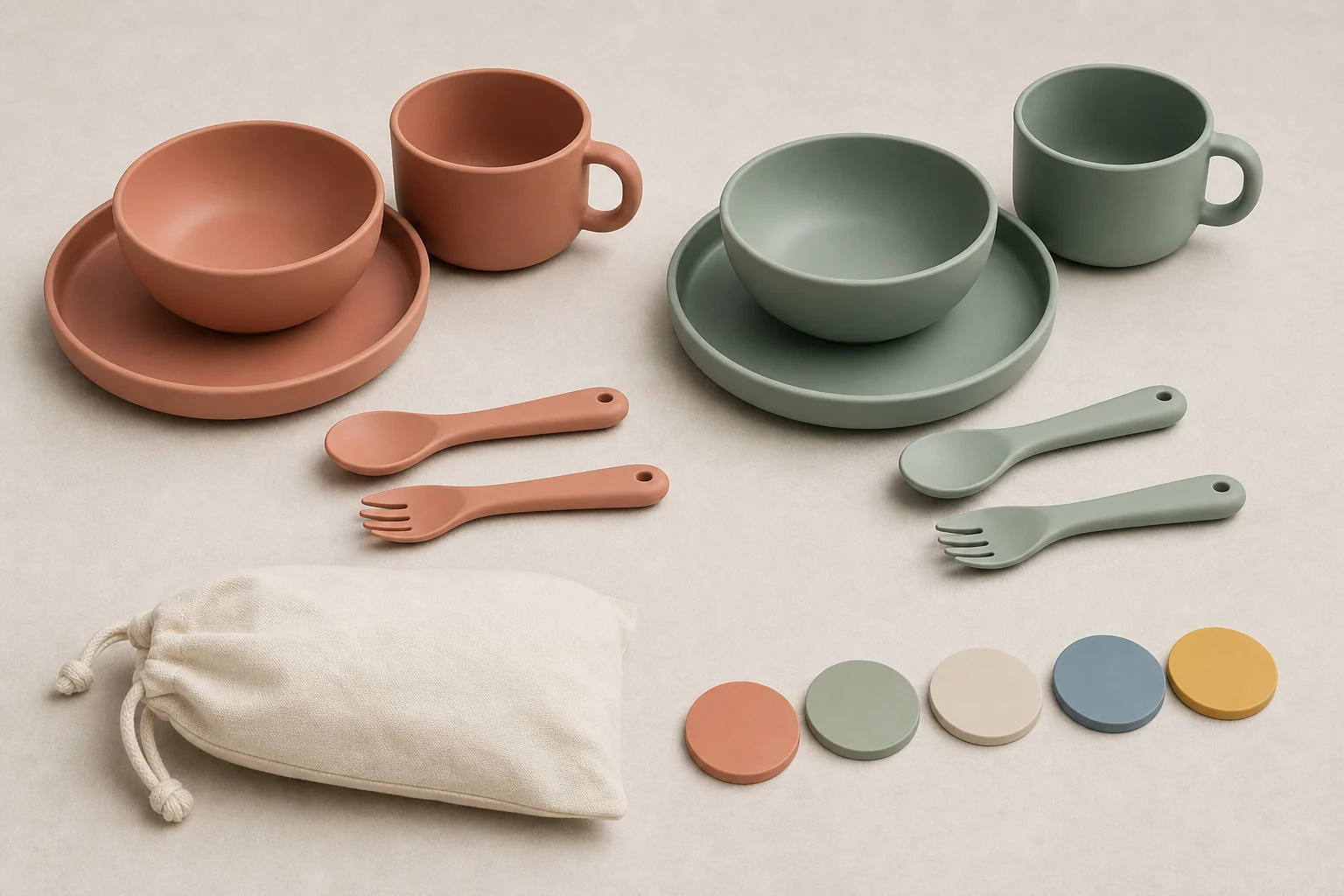
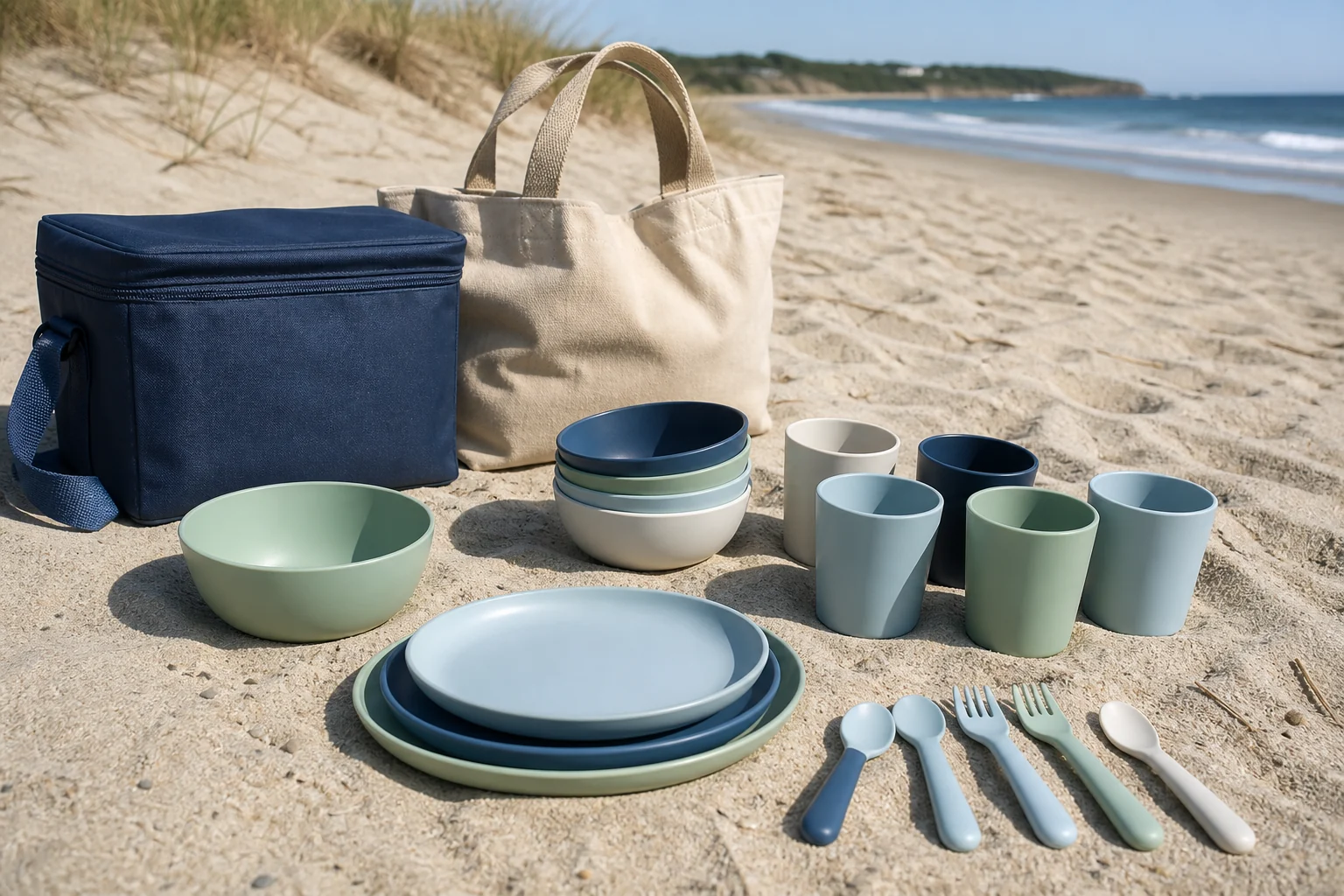
A custom two-child outdoor picnic set needs replacement logic for missing components. The commercial value of a custom two-child outdoor picnic set is the ability to combine compatible tableware into a new B2B program. Begin with the buyer’s users, meals, market and channel. Then assign one plate, bowl, cup and utensil group to each child, keeping the two modules visually distinct while controlling them through one drawing list and approval record.
Decide whether each user needs a divided plate or standard plate, a deep bowl, handled or handle-free cup, spoon and fork, and whether replacement pieces will be offered. The set can use paired colors or related tones, but color should identify an approved component rather than disguise different geometry.
Every item needs a unique reference in the component schedule. The schedule should record material direction, drawing revision, color standard, decoration area, sample status and pack position. This prevents the attractive concept set from being mistaken for a complete production specification.
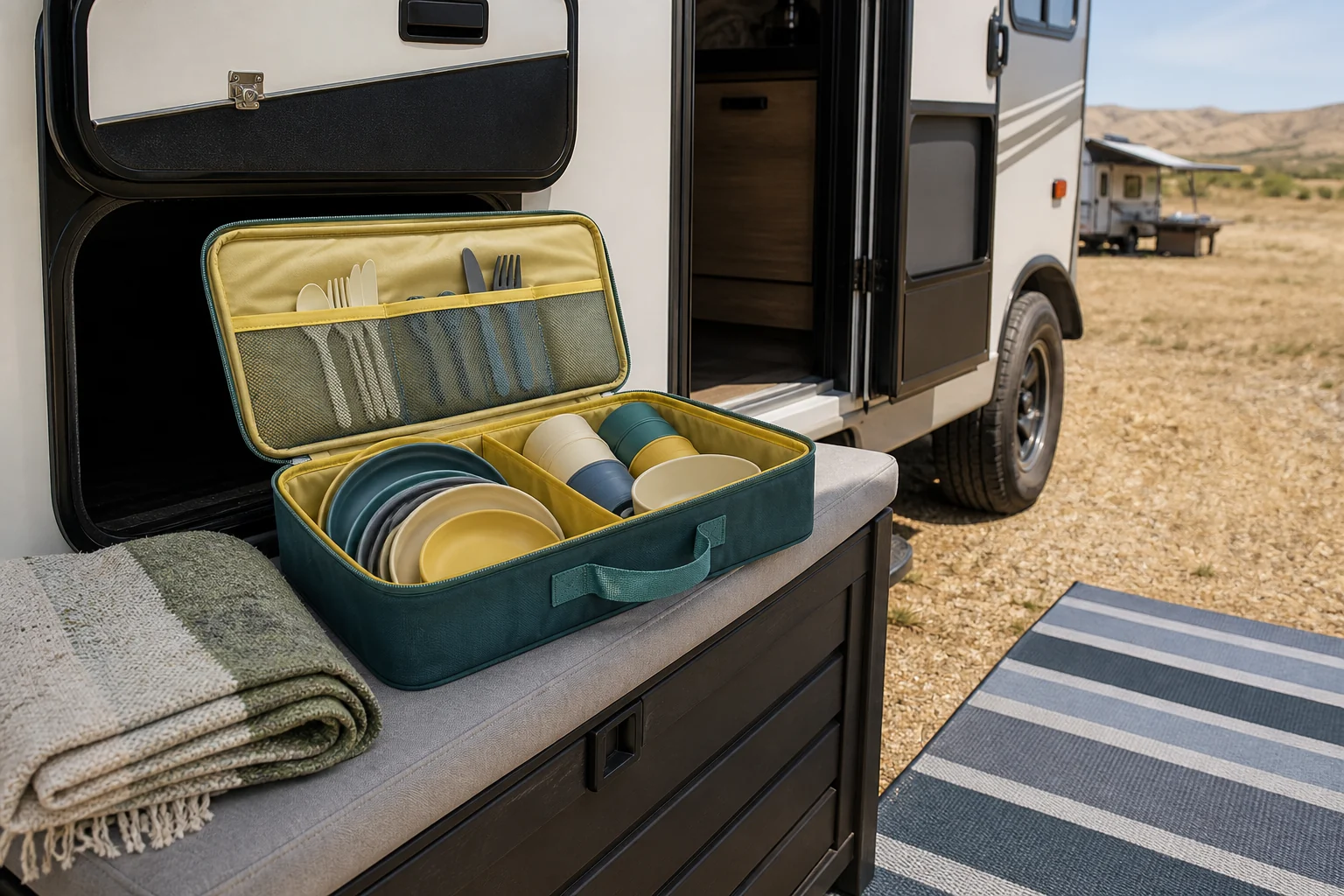
For a custom two-child outdoor picnic set, a carry case must hold the selected pieces without forcing flexible walls, scratching surfaces or allowing utensils to move into food-contact areas. Drawings can predict space, yet the complete physical set must confirm nesting, closure, retrieval, drying and the way a caregiver notices a missing component.
Compatibility to be confirmed by project sample and drawing. If the selected plate, cup or bowl changes, recheck the case and packaging because a small geometry change can alter closure or protection.
New compartment layouts, grip features, cup handles, utensil proportions or a dedicated case may require a feasibility study. Send the target geometry and function for review. No mold, process, tolerance, cost or schedule is promised until the requested design is assessed.
For a custom two-child outdoor picnic set, state the intended age positioning, destination country, retail channel, meal types, caregiver supervision, component count, storage expectations, branding and packaging route. These fields determine which geometry, warnings and evidence questions belong in the project. They should be agreed before an illustrated arrangement becomes a quotation basis.
Separate fixed requirements from candidates. A buyer may require two divided plates and two bowls while asking the supplier to compare handled and handle-free cups. Naming alternatives keeps the quotation readable and makes sample costs and approval steps easier to trace.
Inspect every rim, edge, handle, utensil end, base and decorated surface against the intended user and drawing. Next, assemble both child modules and place them in the proposed case. Verify component count, retrieval, closure, separation, storage orientation and cleaning access.
The final approval should identify the exact complete sample. Photographs can record orientation, but they do not replace dimensions, material declarations, test evidence or the retained physical reference.
The verified source direction uses wheat-straw filler with PP. It should not be described as plastic-free, biodegradable or compostable without specific substantiation. Food-contact, heat, dishwasher, microwave, drop and child-safety claims must match the selected finished parts and destination market.
Naike Dinner can review whether the requested set fits verified capability. If a capability, document or process is not confirmed, it remains a project question rather than a marketing promise.
MODEL, SPECIFICATION AND GUIDANCE
For a custom two-child outdoor picnic set, provide the intended users, component schedule, dimensions or base references, material direction, two-user color plan, logo, case, packaging and target market. The team can then separate confirmed source elements from new development work.
Define age positioning, market, supervision and meal scenarios.
Assign every plate, bowl, cup, utensil and case element.
Control edges, dimensions, grips, interfaces and pack order.
Document formulation direction for each selected component.
Review both individual pieces and the assembled two-user set.
Confirm user colors, logo method, placement and rights.
Verify carry fit, closure, protection, count and cleaning access.
Approve the final sample, drawings, evidence and packaging.
MATERIAL AND COMPLIANCE SCOPE
Material names and concept scenes do not establish compliance. Review the complete formulation, intended food-contact conditions, decorations, finished samples and destination-market requirements before making claims.
No. It is a B2B configuration concept based on a published product direction. Final availability and every open field are To be confirmed for the project.
They may share geometry while using controlled color identification, or they may use different approved pieces. The selected component schedule defines the program.
No. Compatibility to be confirmed by project sample and drawing.
Yes, as a feasibility request. Send target geometry and intended function; tooling scope is not promised before review.
These are project fields approved through artwork, decorated samples and a complete packaging mock-up.
No such claim is made. The verified direction includes PP, and the final formulation requires documentation.
No. The set is dinnerware, and this page makes no direct-flame or cookware claim.
Send company, buyer role, market, user profile, components, material direction, shapes, logo, case, packaging, intended use and forecast. MOQ and price are quoted only after review.
COMPONENTS · SAMPLE · CARRY CASE
For the custom two-child outdoor picnic set, send the two-user component plan, destination market, material direction, dimensions or reference parts, colors, logo and pack-out objectives. The B2B team will identify confirmed elements, compatibility checks and any tooling-feasibility work before issuing project documents.