Titanium Plates
Single or nested plate formats with diameter, rim geometry, thickness and weight recorded.
View Corresponding Product
Outdoor Material Solution | Wholesale OEM
OEM titanium camping plates, bowls, mugs and utensils for premium outdoor brands, with project-specific grade, thickness, unit weight, surface finish, nesting and private-label packaging.
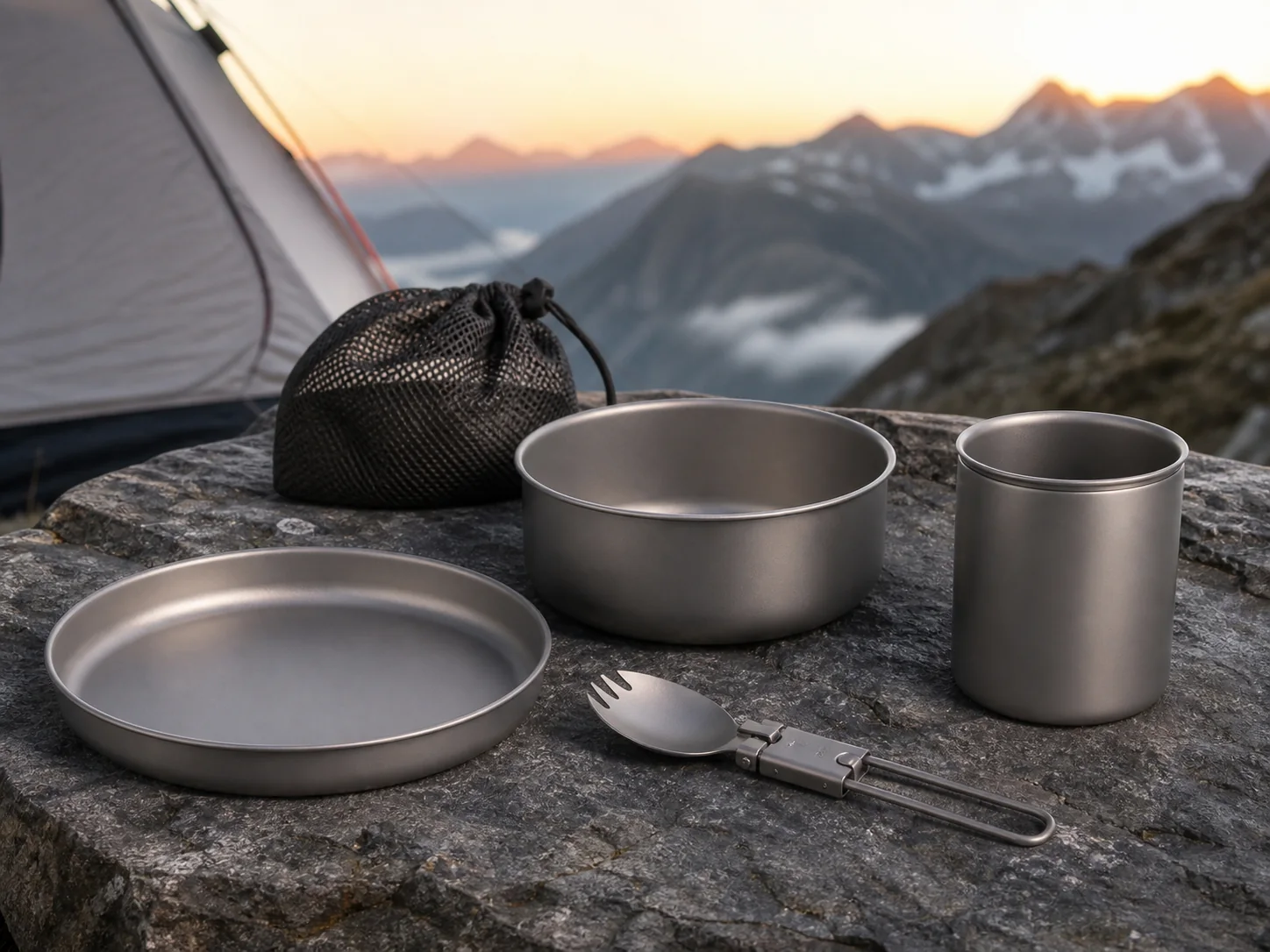
Keep the initial SKU range focused. Titanium buyers normally compare measurable weight, wall thickness, finish and nesting before adding more shapes.
Single or nested plate formats with diameter, rim geometry, thickness and weight recorded.
View Corresponding ProductLightweight bowls evaluated for capacity, stability, rolled rim and nesting fit.
View Corresponding ProductStraight or handled formats with capacity, handle construction and lip finish defined.
View Corresponding ProductForks, spoons, knives and sporks with length, weight and edge finishing controlled.
View Corresponding ProductCompact combinations built around compatible dimensions and a carry pouch.
View Corresponding ProductBuyer-defined component mixes developed only after target weight and use case are confirmed.
View Corresponding Product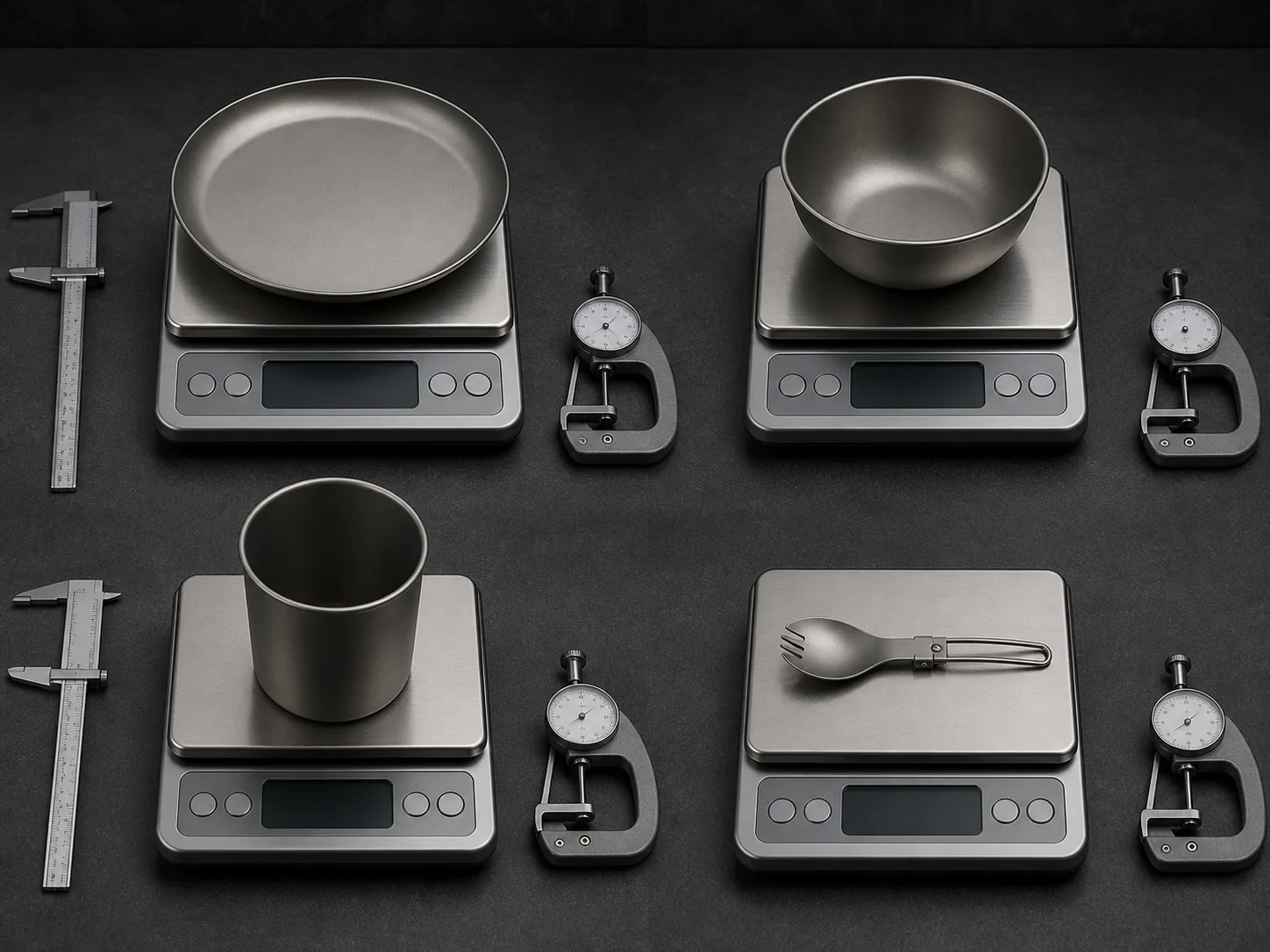
“Titanium” alone is not a complete specification. Each quotation should record the selected grade and measurable construction details.
| Specification field | How it is defined |
|---|---|
| Material grade | Grade 1, Grade 2 or another agreed grade must be confirmed on the SKU and supporting documents. |
| Thickness | Recorded by component and forming route; thinner is not automatically better if stiffness and rim safety suffer. |
| Unit weight | Verified on the approved sample and controlled within an agreed production tolerance. |
| Surface finish | Natural, brushed, bead-blasted or another confirmed finish, with appearance criteria agreed before production. |
| Joining and handles | Folding handles, spot welds, rivets or formed features are checked for movement, burrs and load. |
| Nesting compatibility | Diameter, taper, lid clearance and handle position are evaluated as one kit rather than separate pieces. |
Titanium is selected for corrosion resistance and low weight, but the actual product still requires grade verification, workmanship control and intended-use testing.
Confirm grade documentation and, when specified, composition verification against the approved requirement.
Measure unit weight, thickness, capacity, diameter and nesting tolerances.
Check rolled rims, burrs, scratches, discoloration and finish consistency.
Evaluate folding action, retention, weld or rivet condition and carry compatibility.
Define destination, food type, contact time and temperature before selecting the test protocol.
Confirm pouch fit, component separation, barcode, carton data and project-specific drop criteria.
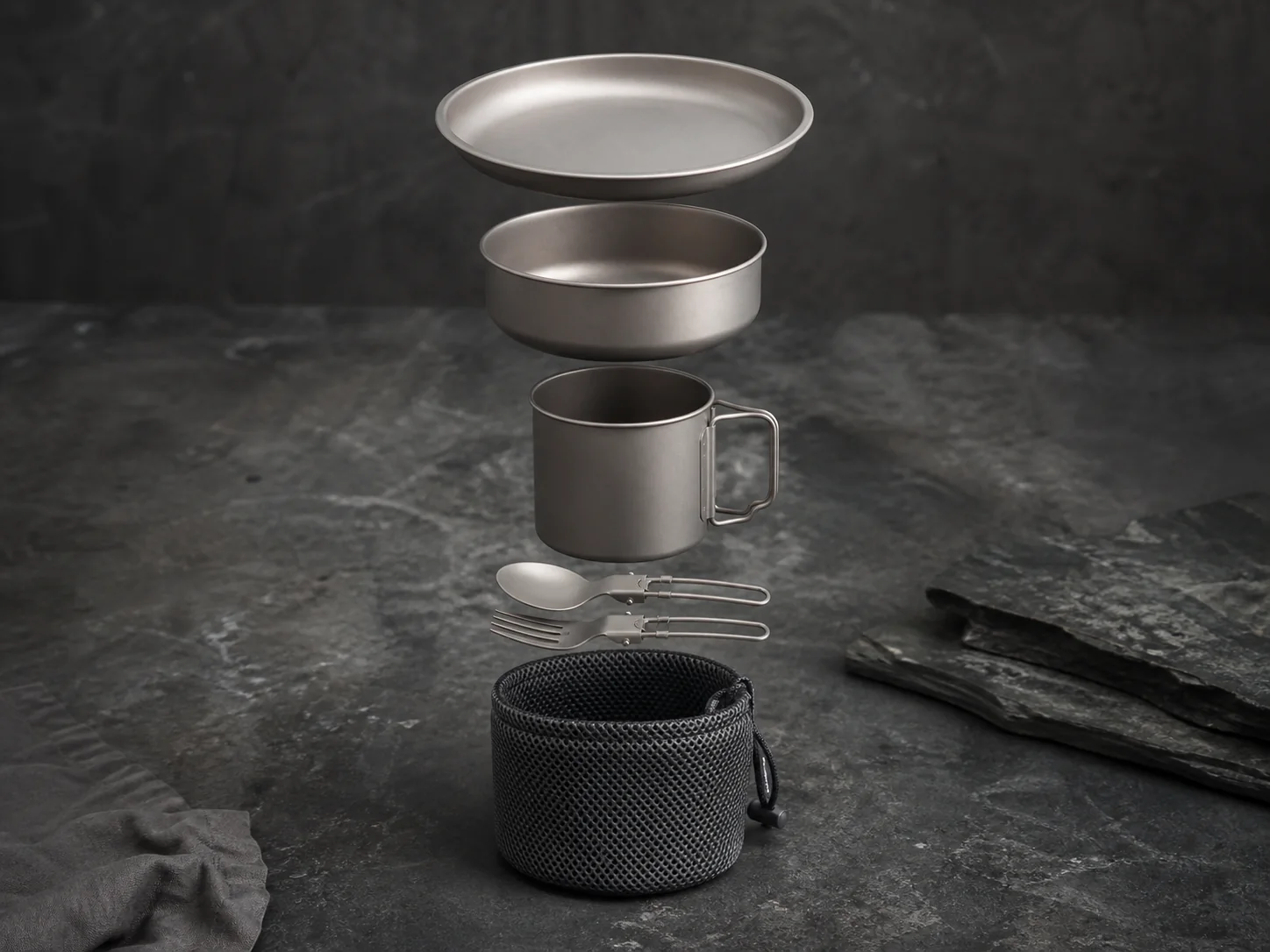
Material selection should follow the use case, target price, performance requirement and evidence needed by the destination market.
Low pack weight and nesting are prioritized.
Technical specifications and finish consistency support higher-value positioning.
Corrosion resistance and compact packing guide selection.
Laser marking and premium packaging may be evaluated by quantity.
Development proceeds from specification to evidence and approval so material claims, product performance and packaging remain aligned.
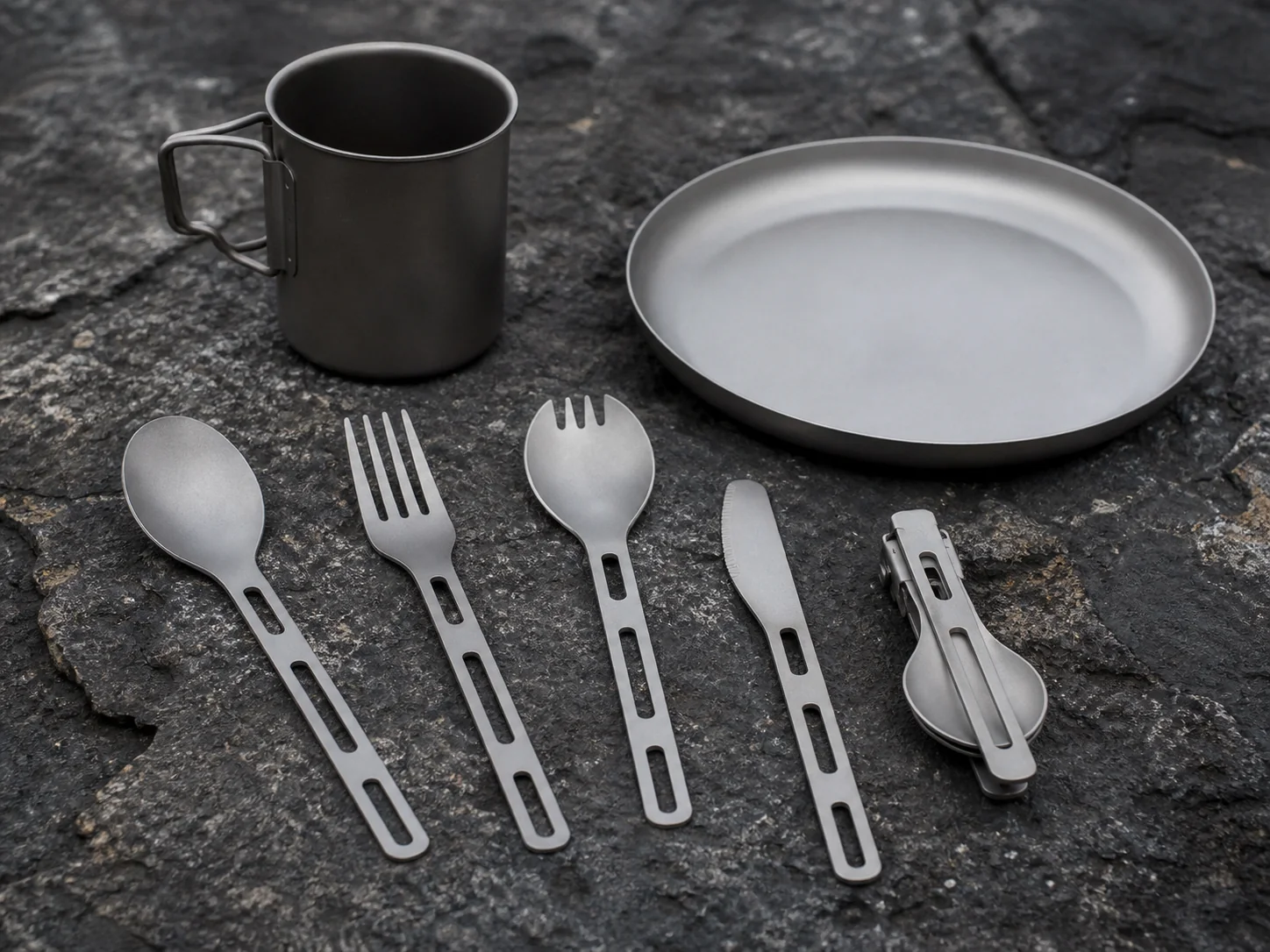
Use these internal links to compare the material within the complete outdoor sourcing structure.
TITANIUM BUYER FAQ
Yes. Existing samples and custom samples follow different timelines and charges. The quotation will state sample cost, freight, approval scope and whether any fee can be credited against a bulk order.
We review available documents against the exact SKU, material, color, decoration, intended use and destination market. A certificate or report is not presented as covering products outside its stated sample and scope.
Molded PP and wheat-straw composite programs follow the responsible production route confirmed for the project. Titanium and stainless-steel items may be supplied through qualified manufacturing partners, which are disclosed during supplier and evidence review.
Send the component list, target market, material requirement, quantity, logo, packaging, tests and delivery target.
Sales: info@naikegroup.com · WhatsApp +86 13599220505
Specification-led sourcing
A titanium plate program should be quoted against a defined grade, nominal thickness, finished unit weight, surface treatment and rim construction. The same discipline applies to a titanium utensil, titanium flatware set or nested titanium camping plate because small specification changes can affect cost and packed weight.
For buyers seeking a titanium tableware supplier, Naike supports specification review, samples, sourcing and private-label coordination. Titanium tableware wholesale programs can be compared with stainless steel camping tableware or the complete outdoor tableware range; final claims follow the agreed material documentation and test scope.
Featured products
These products are selected as useful starting points for specification, component matching and customization discussions.
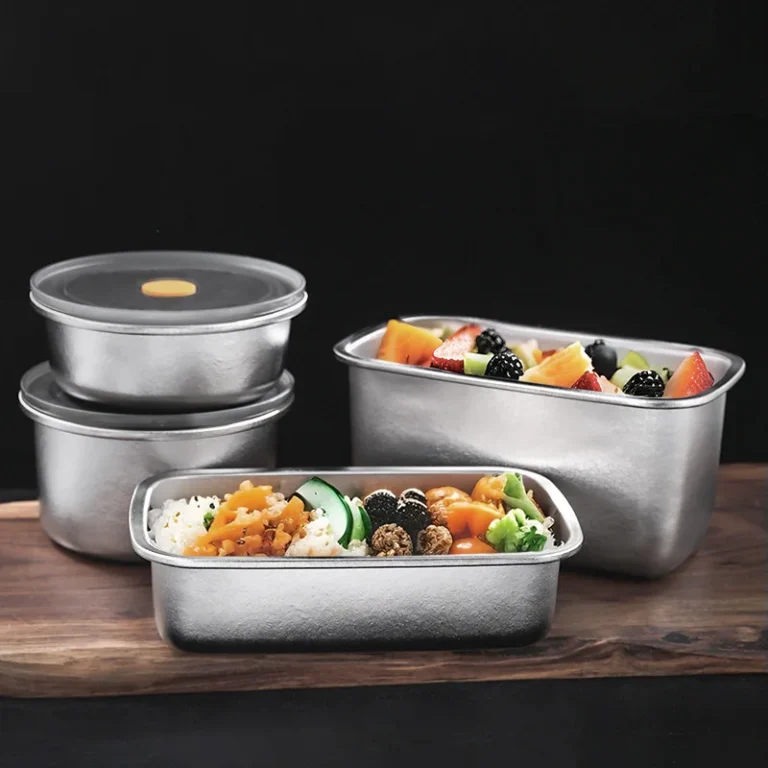
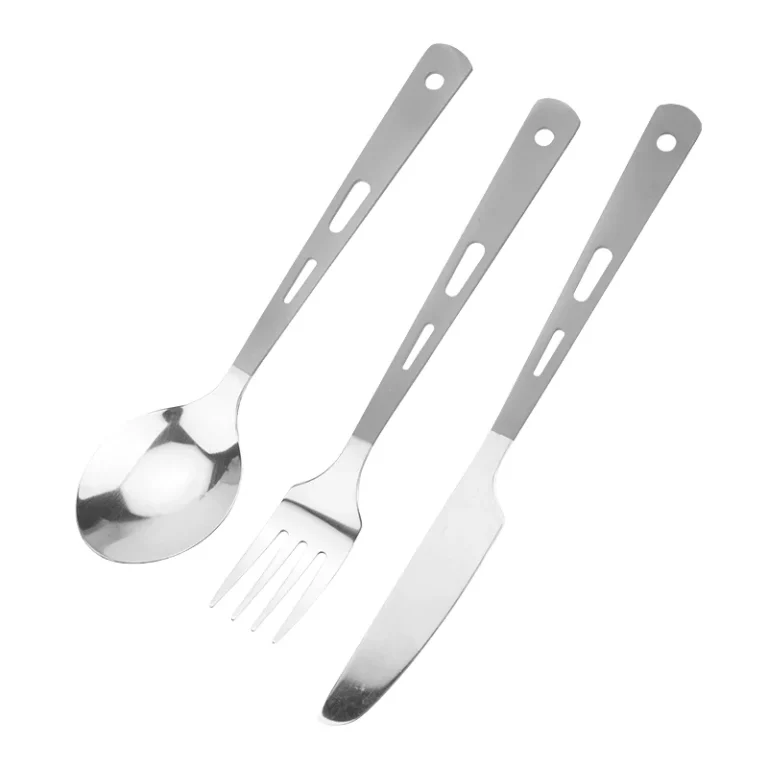
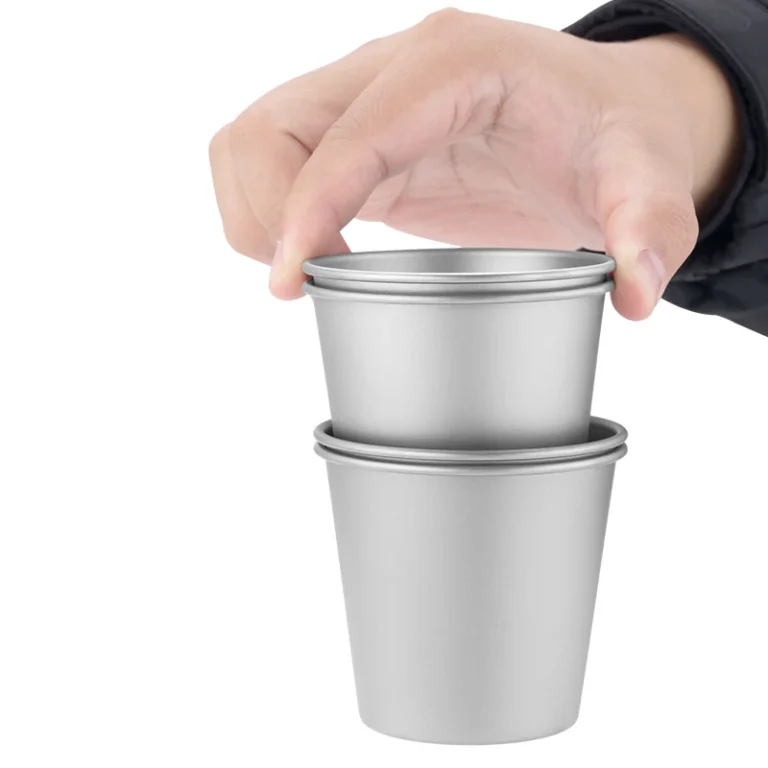
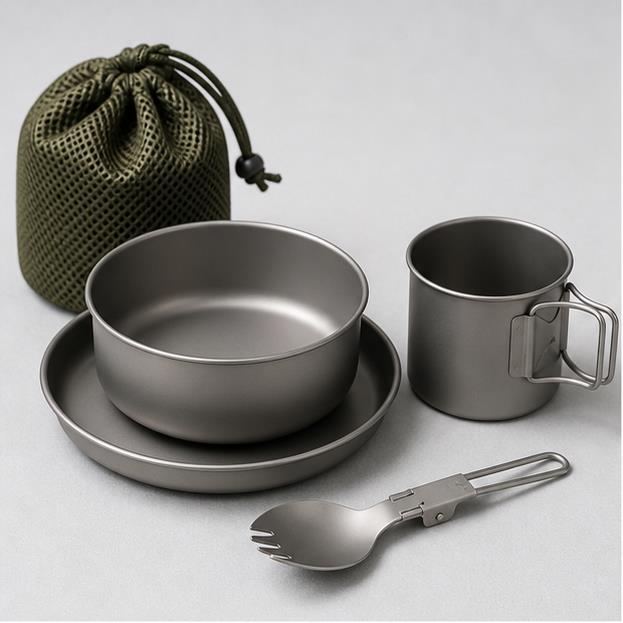
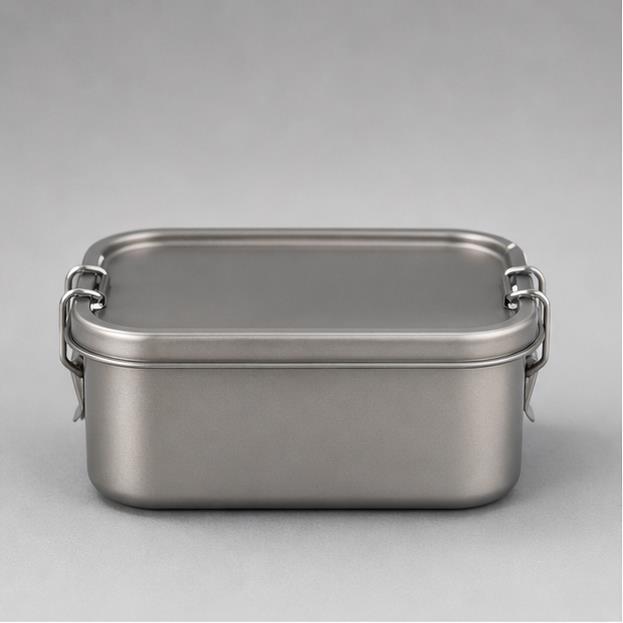
Latest products
This block updates automatically as newly published products match this collection. Open a product page to review its configuration and project boundaries.
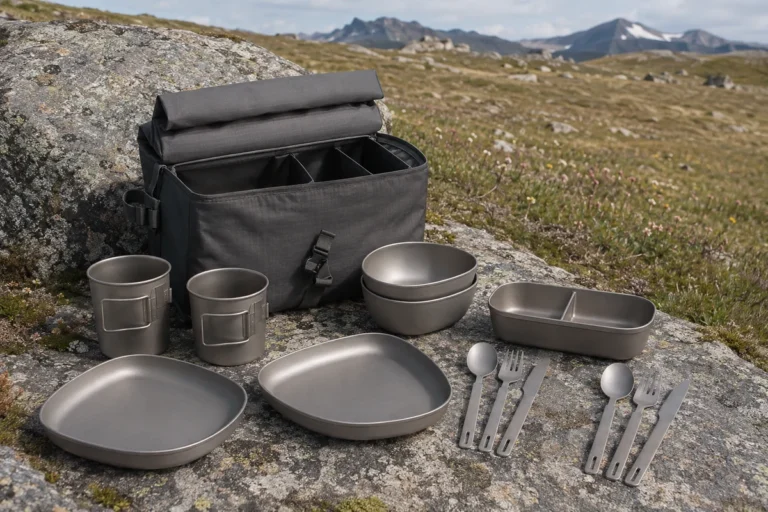
Weight-led product engineering
Professional buyers need a controlled specification before they can compare quotations. For titanium camping tableware wholesale projects, the useful data points are alloy or grade declaration, nominal thickness, finished unit weight, rim construction, surface treatment and any weld or handle joint. A lighter sample is not automatically the better sample if stiffness, stability or user comfort is lost.
List the target grams for the plate, bowl, cup and utensil separately. Add the pouch and any protective divider, then verify the packed total. This makes it possible to decide where a few extra grams improve rigidity or nesting reliability and where they do not.
| Cost driver | Buyer choice | Validation |
|---|---|---|
| Sheet thickness | Balance weight and dent resistance | Measure multiple finished points |
| Surface | Natural, matte or blasted appearance | Approved master sample under fixed light |
| Handle system | Fixed, folding or no handle | Cycle and load test to agreed use |
| Packaging | Mesh pouch, sleeve or premium box | Packed-product drop plan |
Compare this premium route with stainless steel camping tableware, or return to the outdoor tableware sourcing hub. A custom set can also be planned through camping mess kits.
First approve geometry with a representative sample; then lock the material and finish reference; finally approve the packed set. Measurements should be taken on more than one piece because a single showroom sample cannot establish production tolerance. The signed specification should state which values are targets and which are acceptance limits.
Food-contact declarations and testing must match the actual finished article, coating if any, and destination market. For US programs, use the FDA food-contact substances resources as an official starting point and have the planned test scope confirmed by the buyer or qualified laboratory.
Premium outdoor procurement
Premium outdoor buyers need measurable product data, not a generic lightweight claim. The RFQ should lock the grade, thickness, finished weight, finish and acceptance tolerance by SKU.
Record grade, dimensions, wall thickness, capacity, unit weight, rim construction, handles and nesting compatibility.
Agree the material declaration, master finish sample, dimensional report, workmanship limits and packed-set approval sequence.
State forecast volume, target price tier, launch window, logo method, premium packaging and replacement-piece requirements.
REAL PRODUCT REFERENCES
Use these product pages to define material, configuration, testing, decoration and packaging before requesting a commercial quotation.
B2B PRODUCT REVIEW
Review verified source details, buyer confirmation points, OEM options and quality-control requirements.
View product specification →B2B PRODUCT REVIEW
Review verified source details, buyer confirmation points, OEM options and quality-control requirements.
View product specification →B2B PRODUCT REVIEW
Review verified source details, buyer confirmation points, OEM options and quality-control requirements.
View product specification →OEM DEVELOPMENT CONCEPT
Review a configurable outdoor product direction for custom design, engineering and tooling discussion.
View product specification →OEM DEVELOPMENT CONCEPT
Review a configurable outdoor product direction for custom design, engineering and tooling discussion.
View product specification →