Turning From Natural Fiber to Eco-Friendly Tableware
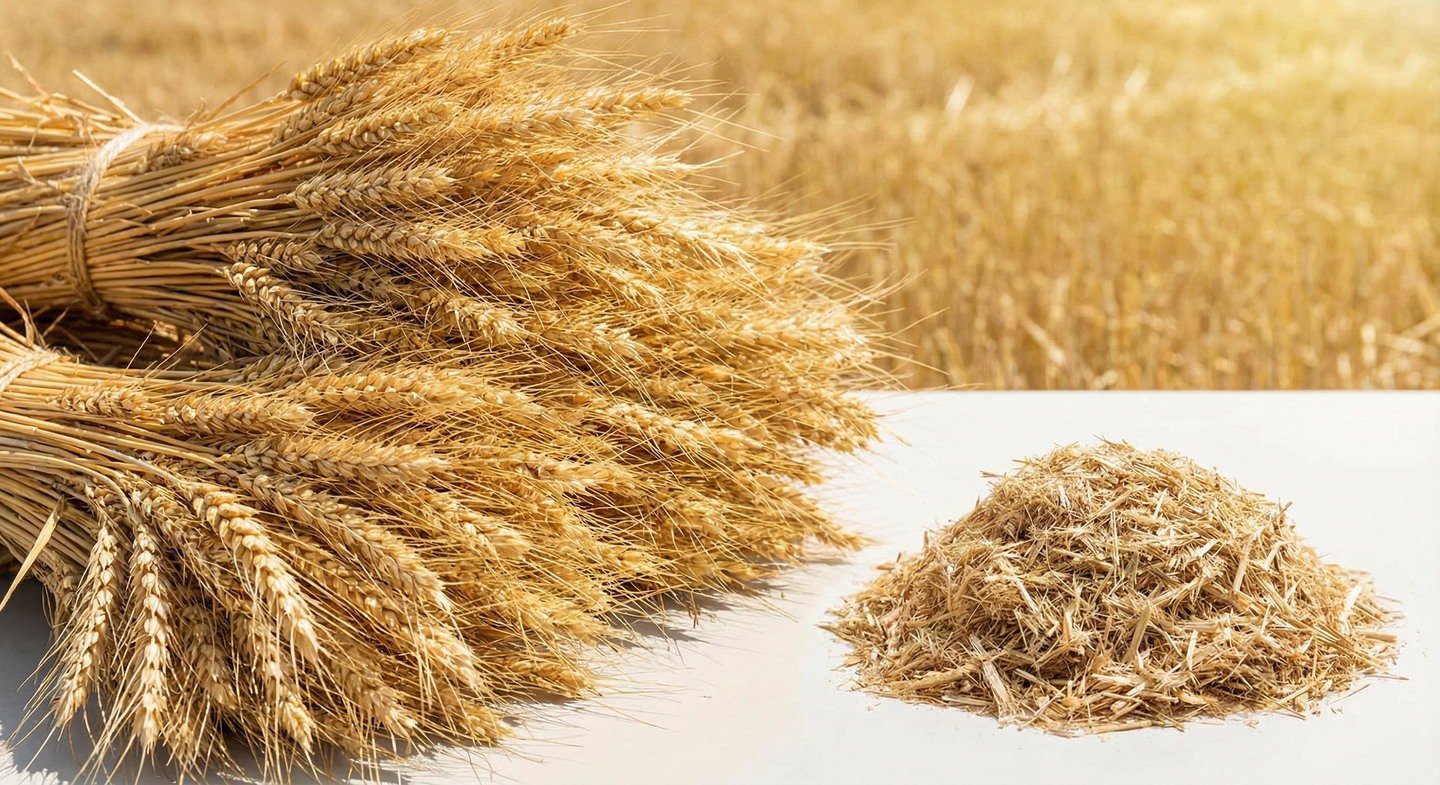
Wheat straw, a leftover from wheat cultivation, offers more than just agricultural residue—it provides the foundation for sustainable, high-quality tableware. At Naike, we transform this natural resource into versatile dinnerware that blends durability, safety, and environmental responsibility.
Why Wheat Straw Is The Ideal Material
Unlike conventional plastics, wheat straw is renewable, biodegradable, and free of harmful chemicals. It allows manufacturers to produce lightweight yet strong products suitable for daily use, outdoor adventures, and hospitality settings. Choosing wheat straw dinnerware reduces reliance on plastics and contributes to a greener planet.
🌱 1. The Origin of Natural Fiber Materials
Natural fiber materials such as wheat straw, bamboo fiber, and bagasse are widely used in eco-friendly tableware production.
Wheat straw, in particular, is an agricultural by-product left after wheat harvesting. Instead of being burned or wasted, it can be processed into high-value raw material for sustainable manufacturing.
According to research, wheat straw contains a high percentage of cellulose and lignin, which makes it strong enough to be used in molded products such as plates, bowls, and cups.
👉 This makes wheat straw a renewable, low-cost, and environmentally responsible raw material for the global tableware industry.
🏭 2. From Agricultural Waste to Functional Tableware
The transformation from natural fiber to finished tableware involves several key industrial steps:
Step 1: Raw Material Collection
Wheat straw is collected after wheat harvesting as agricultural residue.
Step 2: Cleaning and Fiber Processing
The straw is cleaned, crushed, and processed into fine fibers.
Step 3: Blending with Food-Grade Materials
The fiber is combined with food-grade PP or PLA to improve durability and molding performance.
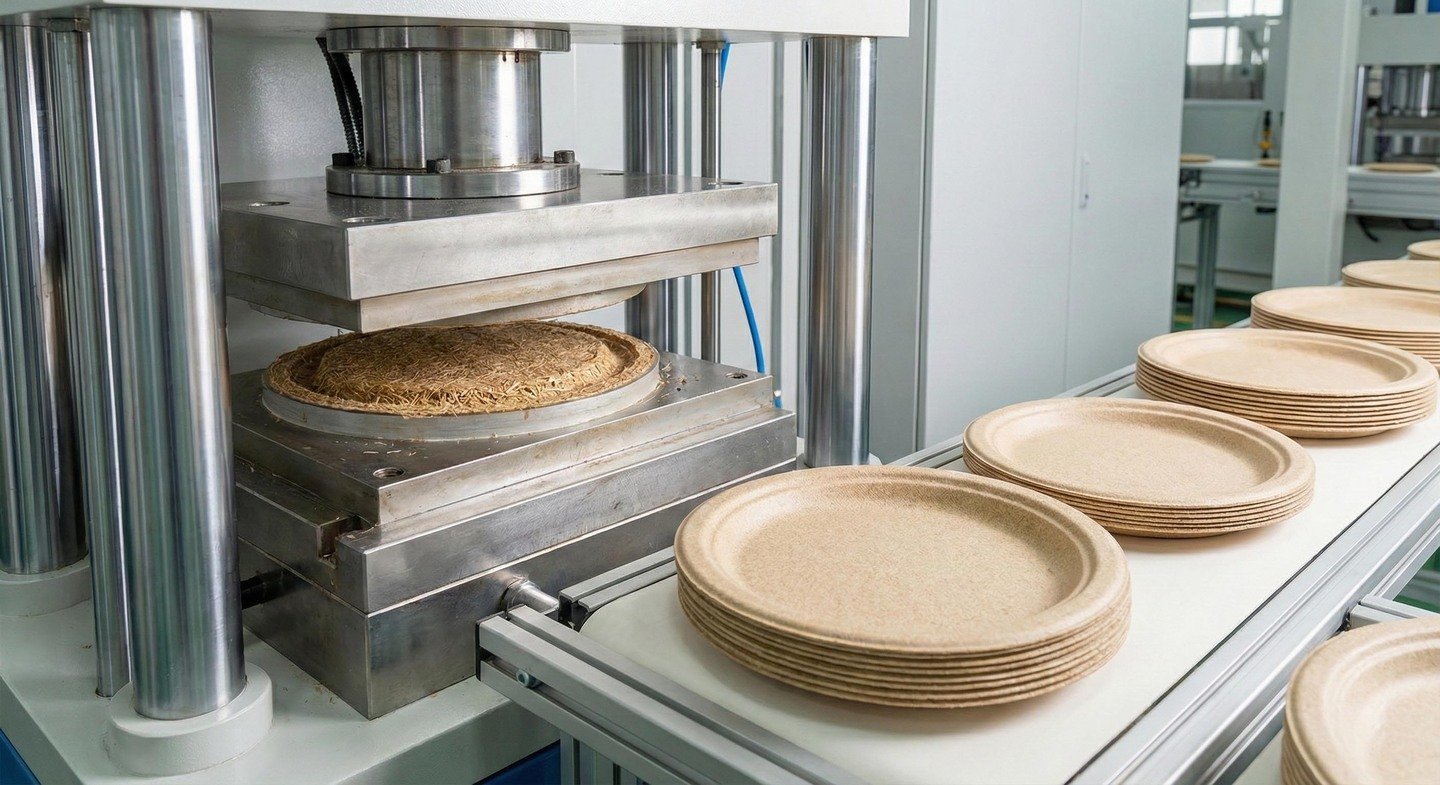
Step 4: Injection or Compression Molding
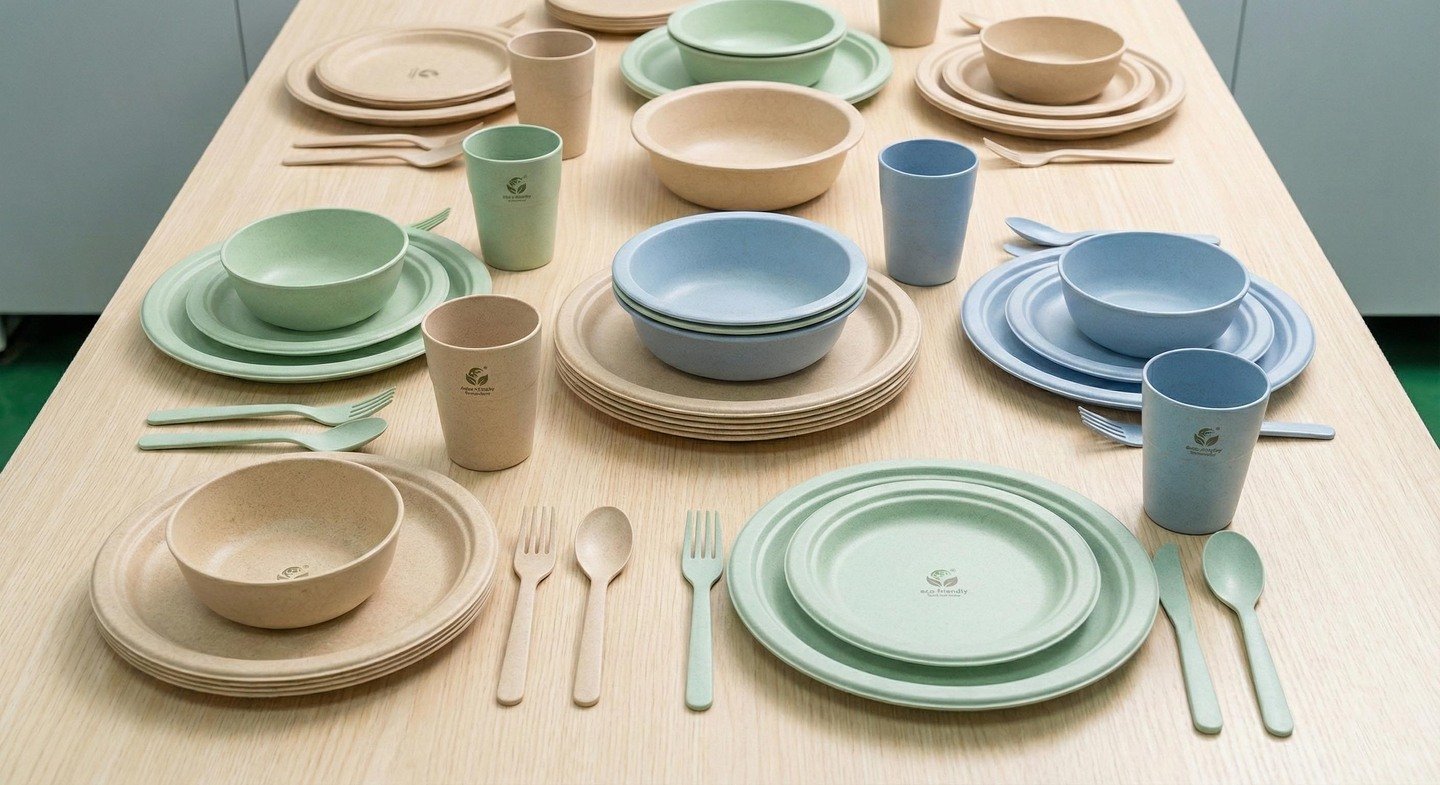
High temperature and pressure are used to shape the material into:
- Plates
- Bowls
- Cups
- Cutlery sets
Step 5: Cooling, Trimming, and Quality Testing
Products are tested for strength, food safety, and durability before packaging.
👉 This process ensures consistent quality for mass production and global export.
🌍 3. Why Wheat Straw Tableware Is Becoming a Global Trend
The global demand for eco-friendly tableware is increasing rapidly due to:
- Strict plastic reduction policies in the EU and USA
- Rising ESG requirements from international brands
- Consumer shift toward sustainable lifestyles
- Government bans on single-use plastics in many countries
In addition, wheat straw tableware is widely recognized as part of the circular economy model, helping reduce agricultural waste and plastic pollution at the same time.
🍽️ 4. Advantages for B2B Buyers and Importers
For wholesalers, distributors, and brand owners, wheat straw tableware offers strong commercial advantages:
✔ Cost Efficiency
Lower raw material cost compared to bamboo or ceramic products.
✔ Stable Supply Chain
Wheat straw is an abundant agricultural by-product with consistent global availability.
✔ High Customization Capability
Supports:
- Logo printing
- Custom colors
- Private label packaging
- Retail-ready packaging design
✔ Lightweight Shipping Advantage
Reduces logistics cost significantly for bulk international shipping.
👉 These advantages make it highly competitive in Amazon, retail chains, and wholesale distribution markets.
♻️ 5. Sustainability and Environmental Impact
Wheat straw tableware helps reduce environmental pressure in two major ways:
🌾 1. Reducing Agricultural Waste
Instead of burning wheat straw (which causes air pollution), it is reused as raw material.
🌿 2. Reducing Plastic Consumption
It replaces conventional petroleum-based plastic in many applications.
📌 In some regions, agricultural waste recycling projects have even turned wheat straw into industrial-scale eco-products, contributing to a circular economy model.
🔬 6. Safety, Certifications, and Quality Control
High-quality wheat straw tableware must comply with international food safety standards.
Common certifications include:
- FDA (USA)
- LFGB (EU)
- SGS testing reports
- BPA-free certification
👉 These certifications ensure:
- No harmful chemical migration
- Safe food contact use
- Compliance with import regulations
🧠 7. Misconceptions About Wheat Straw Tableware
❌ “It is 100% biodegradable”
Not always true. Many products are blended with PP or PLA, which affects biodegradability.
❌ “It is fragile like paper”
Incorrect. Wheat straw composite materials are designed to be durable and shatter-resistant.
❌ “It cannot be reused”
Most wheat straw tableware is reusable and dishwasher-safe under proper conditions.
🏢 8. Application Scenarios
Wheat straw eco-friendly tableware is widely used in:
- Restaurant chains and takeaway packaging
- Supermarkets and retail packaging
- Hotel and catering services
- Outdoor camping and travel kits
- Promotional gift industries

 Button: Explore Our Eco-Friendly Dinnerware